
DbcultAccessing Vault...
Director's Spotlight
Senior Film Conservator
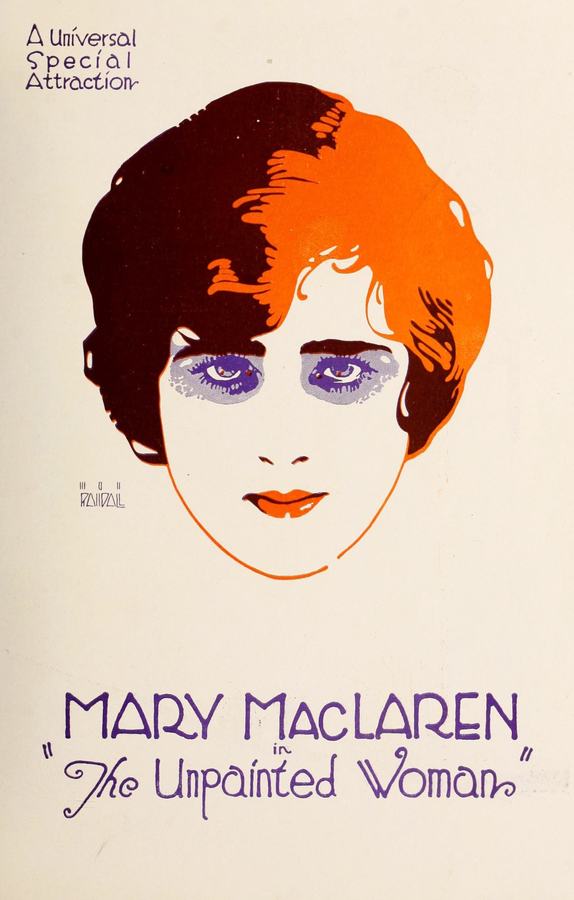
Director's Spotlight: United States
A Deep Dive into the 1919 Vision of Tod Browning
Peeling back the layers of Tod Browning's The Unpainted Woman exposes the collaborative alchemy between Tod Browning and the 1919 creative team. Anchored by a narrative that is both personal and universal, it reinforces the idea that cinema is a medium of infinite possibilities.
In The Unpainted Woman, Tod Browning pushes the boundaries of conventional narrative. The film's unique approach to its subject matter has sparked endless debates and interpretations among cinephiles and critics alike.
In this work, Tod Browning explores the intersection of cult and United States cultural identity. The meticulous attention to detail suggests a deep-seated commitment to pushing the boundaries of the medium, ensuring that The Unpainted Woman remains a relevant topic of study for cult enthusiasts.
| Cinematography | Handheld |
| Soundtrack | Diegetic |
| Editing | Elliptical |
| Art Direction | Expressionist |
Visualizing the convergence of Tod Browning's style and the core cult narrative.
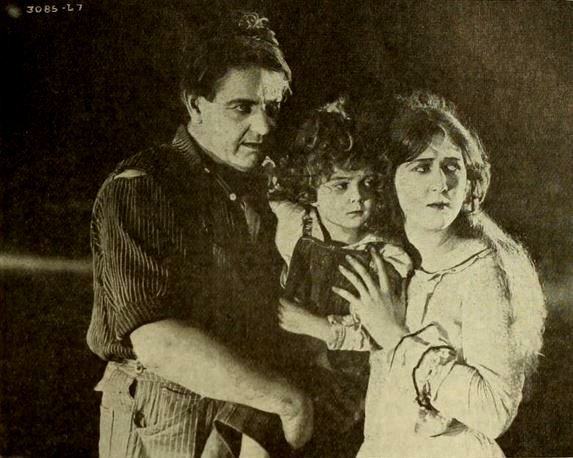
Gudrun works in the American wheat country as a hired girl to Mrs. Hawes. Charley Holt, the son of a rich family, takes the Swedish girl to a dance where she is snubbed by his mother and sister. Furious by his elitist relatives, Charley marries Gudrun and gets a menial job as a mill worker. A child is born, but Gudrun's life is unhappy because Charley becomes an alcoholic. After five years of marriage Charley dies in a saloon fight. Gudrun then buys a small farm and works the wheat fields. When tramp Martin O'Neill comes to the farm, Mary feeds him and he works for her. Martin later saves Gudrun and her child from a burning barn but is suspected of starting the fire himself and narrowly escapes a lynching. Finally, it is disclosed that the fire was actually started by Heine, a jealous rival, and Gudrun and Martin are married.
Decades after its release, The Unpainted Woman remains a vital piece of the cinematic puzzle. Its influence can be seen in countless modern works, solidifying Tod Browning's status as a master of the craft in United States and beyond.