
DbcultAccessing Vault...
Director's Spotlight
Senior Film Conservator
Director's Spotlight: United States
A Deep Dive into the 1920 Vision of Tom Collins
Deciphering the layers of Circumstantial Evidence (1920) reveals a monumental shift in Mystery filmmaking spearheaded by Tom Collins. With its avant-garde structure and atmospheric tension, offering layers of thematic complexity that demand repeated viewing.
In Circumstantial Evidence, Tom Collins pushes the boundaries of conventional narrative. The film's unique approach to its subject matter has sparked endless debates and interpretations among cinephiles and critics alike.
| Cinematography | Static |
| Soundtrack | Diegetic |
| Editing | Elliptical |
| Art Direction | Expressionist |
Visualizing the convergence of Tom Collins's style and the core Mystery narrative.
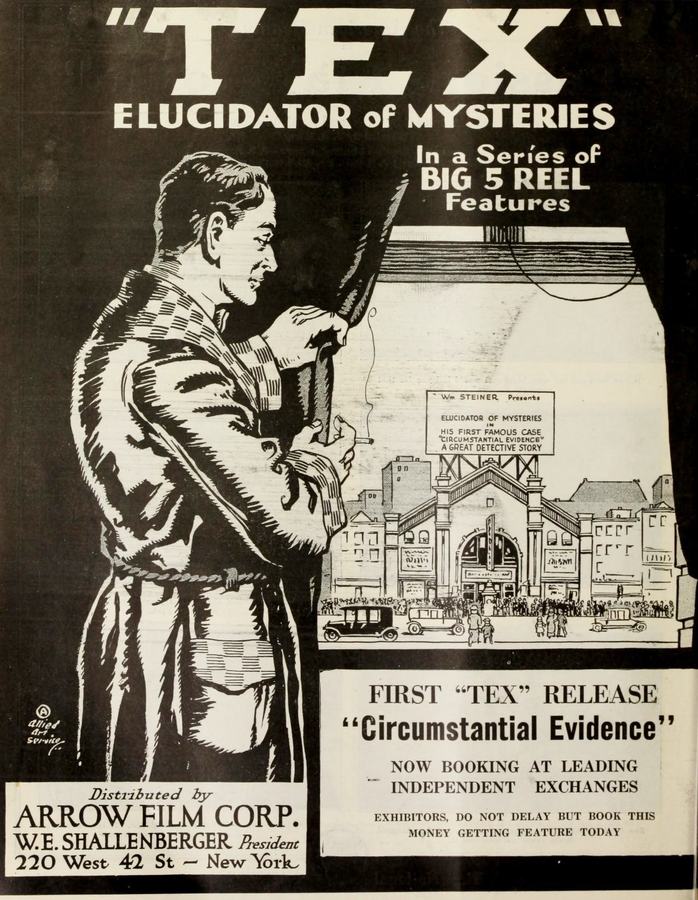
Tex, a famous detective, recounts the story of how he went into the crime business: While visiting his old friend, Jack Nelson, a dispute breaks out between Nelson and his butler. Later that night, Nelson is murdered, and the next morning the murder weapon, a knife, is discovered next to the body. Edna, the victim's wife, seizes the knife, and Tex, fearing that she is about to kill herself, throws the weapon out the window. Interpreting Tex's actions as incriminating, the police arrest him, and he is sentenced to prison. Two years later, a fire breaks out at the penitentiary, and Tex's bravery in saving the warden's wife and child wins him a pardon. Determining to solve Nelson's murder, Tex searches for the butler but discovers him to be innocent. Summoned to Edna's deathbed, Tex hears her confess to the crime, thus causing him to devote his life to solving crimes and saving innocents from being convicted on circumstantial evidence.
Decades after its release, Circumstantial Evidence remains a vital piece of the cinematic puzzle. Its influence can be seen in countless modern works, solidifying Tom Collins's status as a master of the craft in United States and beyond.