
DbcultAccessing Vault...
Director's Spotlight
Senior Film Conservator
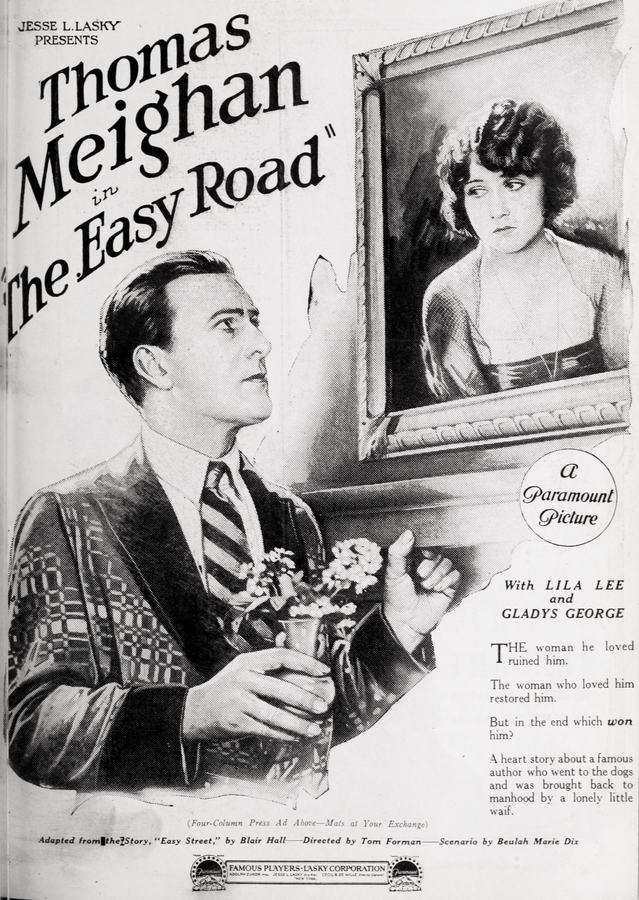
Director's Spotlight: United States
A Deep Dive into the 1921 Vision of Tom Forman
The brilliance of The Easy Road (1921) is inseparable from the visionary mind of its creator, Tom Forman. Serving as a mirror to the anxieties of a changing world, it persists as a haunting reminder of our own cinematic history.
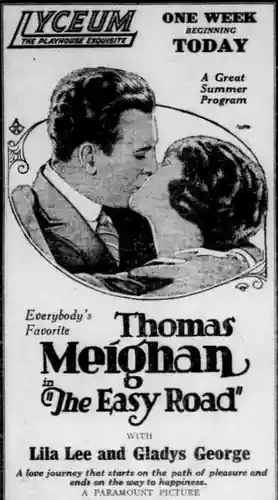
In The Easy Road, Tom Forman pushes the boundaries of conventional narrative. The film's unique approach to its subject matter has sparked endless debates and interpretations among cinephiles and critics alike.
| Cinematography | Noir-Inspired |
| Soundtrack | Diegetic |
| Editing | Elliptical |
| Art Direction | Expressionist |
Visualizing the convergence of Tom Forman's style and the core Drama narrative.
Sailor and novelist Leonard Fayne marries wealthy Isabel Grace, whose riches hamper his creative faculties. On the suggestion of sculptress Katherine Dare, Isabel travels to Europe, leaving her husband permission to use her bank account. Leonard steadily declines in her absence and is on the verge of suicide when he meets Ella Klotz, a waif who is about to kill herself because she is going blind. He takes Ella to his studio to care for her, and believing he owes his life to the girl, Leonard once again begins to write. Meanwhile, Isabel is being pursued by an old suitor named Heminway, but realizes that she still loves her husband and returns from Europe. Heminway tries unsuccessfully to keep the couple apart.
Decades after its release, The Easy Road remains a vital piece of the cinematic puzzle. Its influence can be seen in countless modern works, solidifying Tom Forman's status as a master of the craft in United States and beyond.