
DbcultAccessing Vault...
Director's Spotlight
Senior Film Conservator
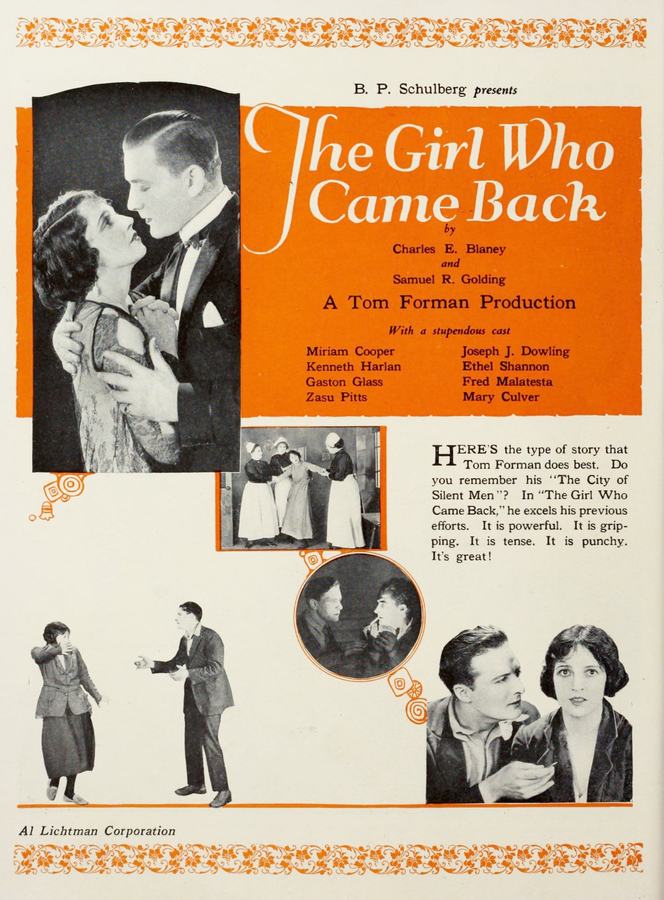
Director's Spotlight: United States
A Deep Dive into the 1923 Vision of Tom Forman
The evocative power of The Girl Who Came Back stems from the unique collaboration between the bold experimentation that has become synonymous with Tom Forman. Framed by the hauntingly beautiful landscapes of the production, it echoes the profound changes occurring in United States during that era.
In The Girl Who Came Back, Tom Forman pushes the boundaries of conventional narrative. The film's unique approach to its subject matter has sparked endless debates and interpretations among cinephiles and critics alike.
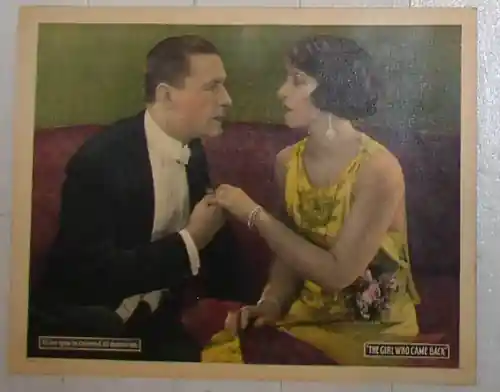
The visual language of The Girl Who Came Back is defined by its use of shadows and framing, a hallmark of Tom Forman's style. By utilizing a 1923-era palette, the film creates an immersive experience that perfectly complements its Drama themes.
| Cinematography | Static |
| Soundtrack | Experimental |
| Editing | Invisible |
| Art Direction | Kitsch |
Visualizing the convergence of Tom Forman's style and the core Drama narrative.
Country girl Sheila goes to work in a city department store. After a quick courtship she marries Ray Underhill, unaware that he is a car thief. She is sent to prison with him, where he meets Norries, a swindler who has hidden his money but intends to pay back his victims. Convict 565 tells Norries he does not expect to live long and offers to transfer to him a diamond mine he owns in Africa. Norries and Underhill escape, and Underhill discovers the location of Norries' money. After Sheila finishes her sentence, Ray joins her and is arrested again, but not before telling her where Norries has hidden the money. Sheila takes the money and goes to South Africa. Eventually she meets Norries, who has secured the diamond mine. Believing that Underhill is dead, Sheila marries Norries, who decides to return to America and return the stolen funds. Sheila discovers that Underhill is still alive, but when Underhill is hiding from detectives, he is mistakenly shot by his pal Valhays. As Underhill falls, he shoots and hits Valhays. Sheila and Norries realize that the police are not after them, so Norries pays back the swindled money.
Decades after its release, The Girl Who Came Back remains a vital piece of the cinematic puzzle. Its influence can be seen in countless modern works, solidifying Tom Forman's status as a master of the craft in United States and beyond.