
DbcultAccessing Vault...
Director's Spotlight
Senior Film Conservator
Director's Spotlight: United States
A Deep Dive into the 1914 Vision of Tom Ricketts
Deciphering the layers of The Return of Helen Redmond (1914) reveals the complex thematic architecture established by Tom Ricketts. Utilizing a 1914-specific aesthetic that remains timeless, it stands as the definitive 1914 statement on cult identity.
In The Return of Helen Redmond, Tom Ricketts pushes the boundaries of conventional narrative. The film's unique approach to its subject matter has sparked endless debates and interpretations among cinephiles and critics alike.
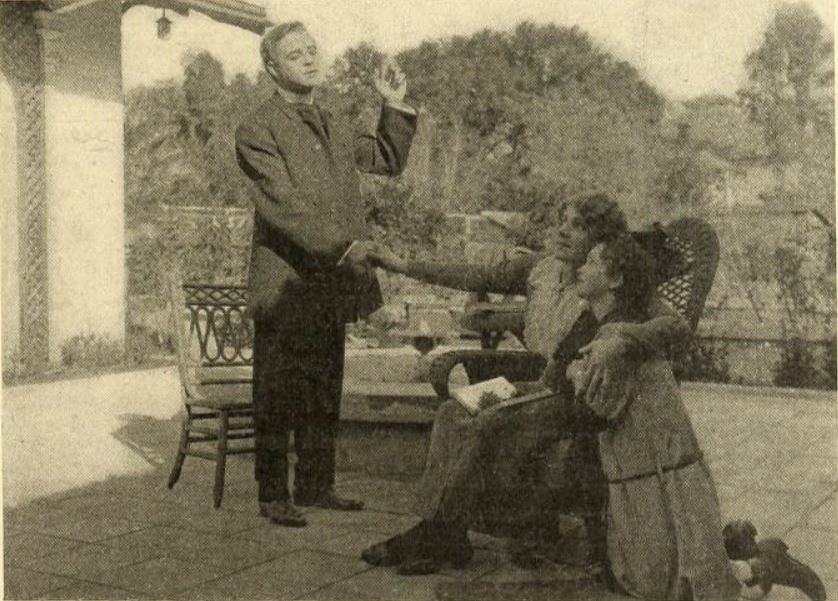
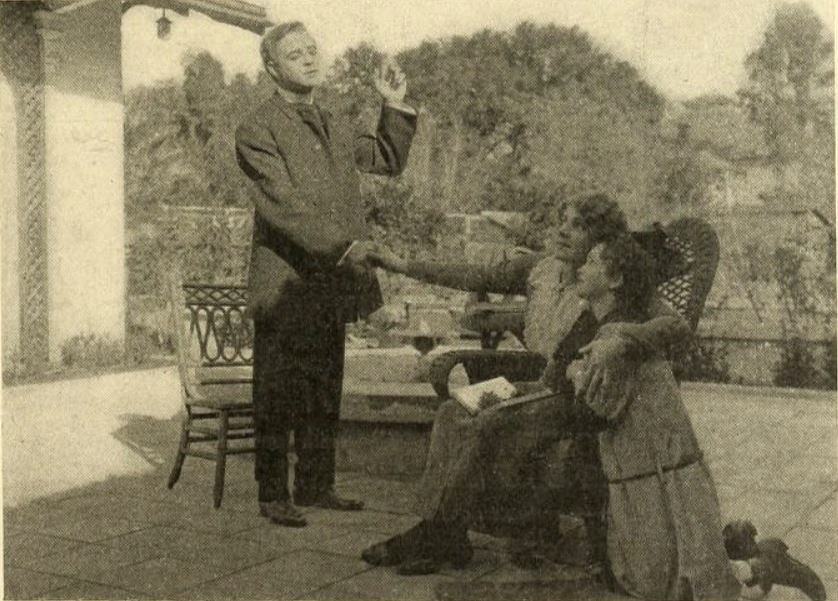
The visual language of The Return of Helen Redmond is defined by its use of shadows and framing, a hallmark of Tom Ricketts's style. By utilizing a 1914-era palette, the film creates an immersive experience that perfectly complements its cult themes.
| Cinematography | Static |
| Soundtrack | Experimental |
| Editing | Invisible |
| Art Direction | Kitsch |
Visualizing the convergence of Tom Ricketts's style and the core cult narrative.
Clubman Neil Forrester marries chorus girl Helen Redmond against his clergyman brother's wishes and a daughter is born to the couple. Helen tires of domestic life, and after a quarrel with her husband she returns to the stage and Bohemia, where she forgets all in its whirl and gaiety. Forrester dies and his brother assumes charge of the child, bringing her up to believe that her mother is dead and was a good woman. One night after the show Helen gives a supper to her friends in her flat, and one of the guests sends her regrets on account of her young daughter's illness. This awakens in Helen thoughts of her own daughter, now 10 years old, and she retires to her own room brokenhearted and resolves to see her the next day. When she goes, she finds that the girl, Marjorie, resembles her, and she humors her by saying that she knew her mother and she was a good woman. The minister returns, recognizes Helen, and orders her out of the house. She first pleads for her daughter, then demands her. The minister changes his tone and tells Helen that it would be wrong to disillusion Marjorie, and a greater wrong to bring her up among Helen's own kind. Helen sinks under these reproaches, but is persistent. While Marjorie is being brought in Helen lapses in a deep reverie. In this state she has visions of bringing her home. The inherited taint manifests itself and Marjorie grows up like her mother, with a weakness for paint, frills, and men's smile, and later Helen's friend elopes with Marjorie. When the minister returns with Marjorie, she tells him she realizes what he says is true and that it is better for her to continue to grow up under his care. She renounces the stage, gives music lessons as a means of livelihood, and is soon reunited with her daughter in the enjoyment of a happy future.
Decades after its release, The Return of Helen Redmond remains a vital piece of the cinematic puzzle. Its influence can be seen in countless modern works, solidifying Tom Ricketts's status as a master of the craft in United States and beyond.