
DbcultAccessing Vault...
Director's Spotlight
Senior Film Conservator
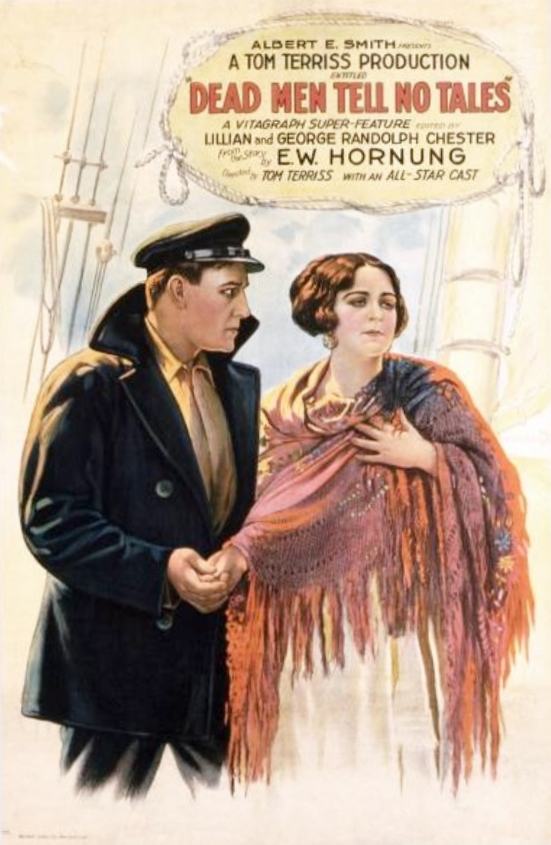
Director's Spotlight: United States
A Deep Dive into the 1920 Vision of Tom Terriss
The artistic breakthrough represented by Dead Men Tell No Tales in 1920 highlights the uncompromising vision of Tom Terriss that defines this Adventure masterpiece. In the context of United States's rich cinematic history, it captures a specific kind of cinematic magic that is rarely replicated.
In Dead Men Tell No Tales, Tom Terriss pushes the boundaries of conventional narrative. The film's unique approach to its subject matter has sparked endless debates and interpretations among cinephiles and critics alike.
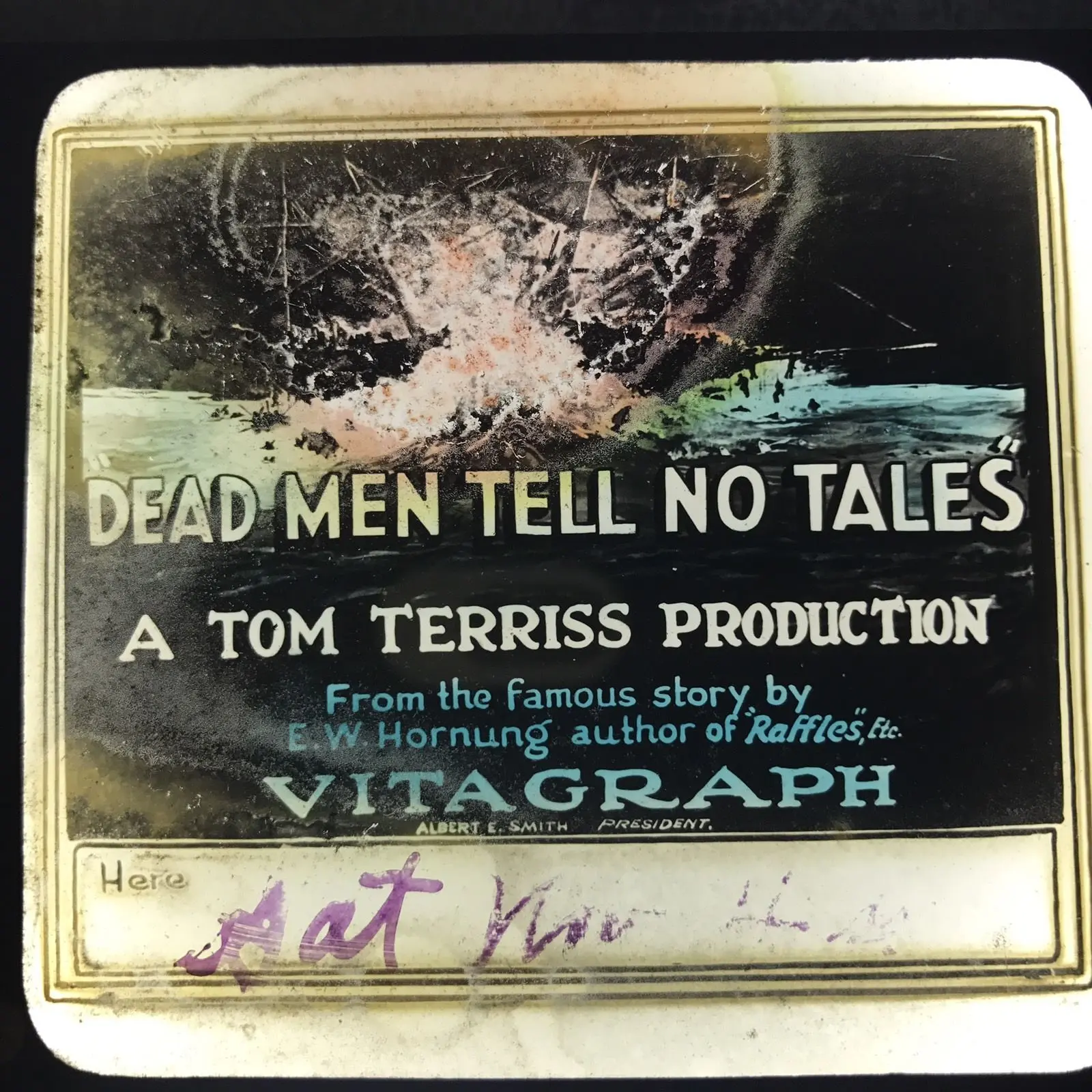
In this work, Tom Terriss explores the intersection of Adventure and United States cultural identity. The meticulous attention to detail suggests a deep-seated commitment to pushing the boundaries of the medium, ensuring that Dead Men Tell No Tales remains a relevant topic of study for Adventure enthusiasts.
| Cinematography | Handheld |
| Soundtrack | Synth-Heavy |
| Editing | Rhythmic |
| Art Direction | Naturalist |
Visualizing the convergence of Tom Terriss's style and the core Adventure narrative.
Notorious pirate Joaquin Santos lives by the saying, "Dead Men Tell No Tales". He conspires with the prominent Squire Rattray to take over and plunder the Lady Jermyn, a ship carrying a considerable amount of gold, and then destroy the ship and kill its crew. Rattray, who is in love with Santos' daughter Eve, agrees to pick up the pirate.his crew and their loot on his private yacht after the deed is done. However, young George Cole, a passenger on the Lady Jermyn who is also in love with Eve, survives the attack and sets out to find her.
Decades after its release, Dead Men Tell No Tales remains a vital piece of the cinematic puzzle. Its influence can be seen in countless modern works, solidifying Tom Terriss's status as a master of the craft in United States and beyond.