
DbcultAccessing Vault...
Director's Spotlight
Senior Film Conservator
Director's Spotlight: United States
A Deep Dive into the 1924 Vision of Tom Terriss
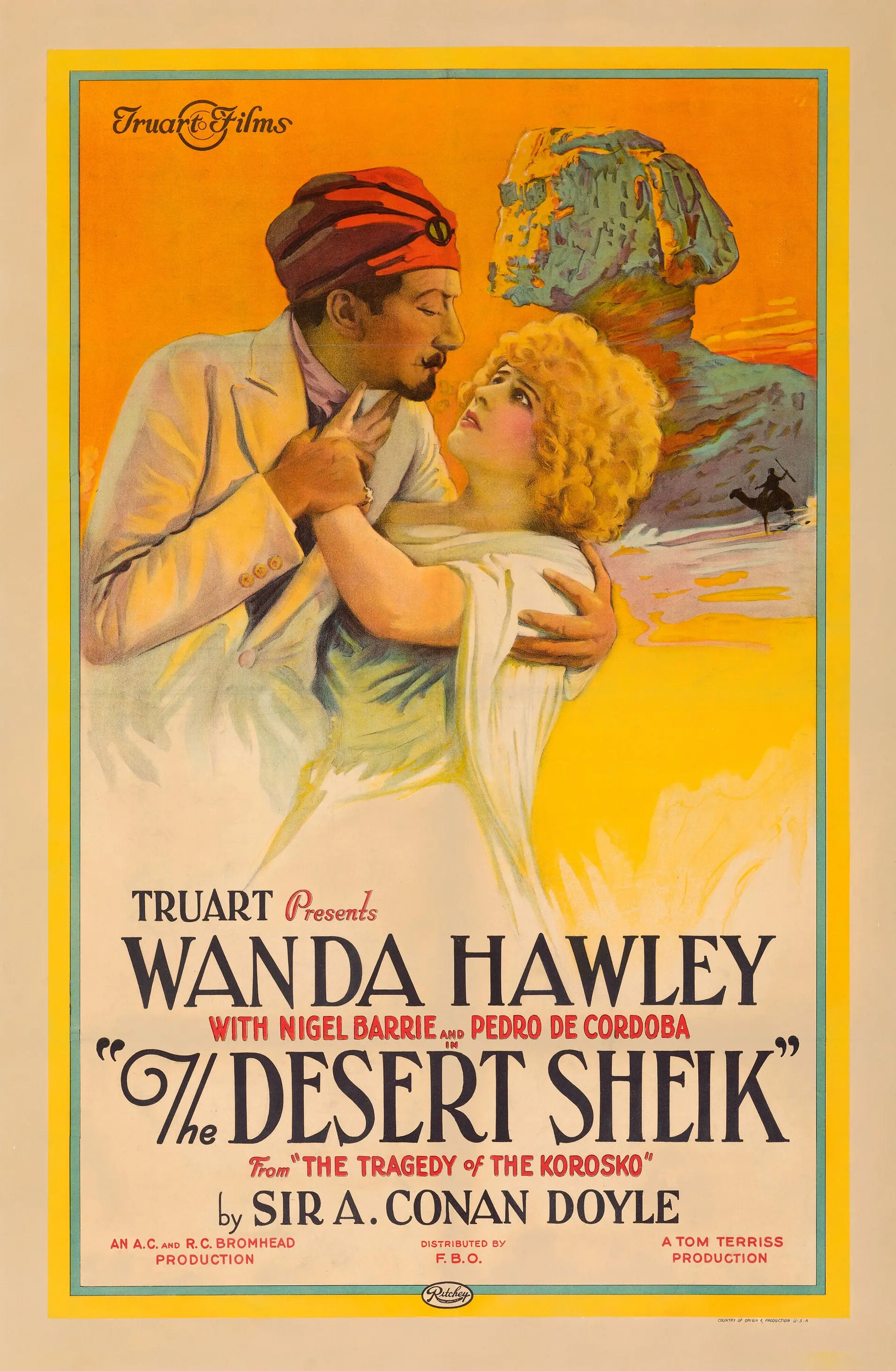
Peeling back the layers of Tom Terriss's The Desert Sheik exposes the collaborative alchemy between Tom Terriss and the 1924 creative team. Anchored by a narrative that is both personal and universal, it reinforces the idea that cinema is a medium of infinite possibilities.
In The Desert Sheik, Tom Terriss pushes the boundaries of conventional narrative. The film's unique approach to its subject matter has sparked endless debates and interpretations among cinephiles and critics alike.
The visual language of The Desert Sheik is defined by its use of shadows and framing, a hallmark of Tom Terriss's style. By utilizing a 1924-era palette, the film creates an immersive experience that perfectly complements its Drama themes.
| Cinematography | High-Contrast |
| Soundtrack | Orchestral |
| Editing | Slow-Burn |
| Art Direction | Brutalist |
Visualizing the convergence of Tom Terriss's style and the core Drama narrative.
Corinne Adams, a young American girl touring Egypt, meets a British soldier, Maj. Egerton, in Cairo, and they fall in love. She doesn't know that the major is suffering from a terminal illness. They and some friends take a trip into the desert and are attacked by a Bedouin tribe. The women are captured and the major is knocked out and left for dead. Can British troops arrive in time to save the women from a fate worse than death?
Decades after its release, The Desert Sheik remains a vital piece of the cinematic puzzle. Its influence can be seen in countless modern works, solidifying Tom Terriss's status as a master of the craft in United States and beyond.