
DbcultAccessing Vault...
Director's Spotlight
Senior Film Conservator
Director's Spotlight: United States
A Deep Dive into the 1919 Vision of Tom Terriss
The artistic breakthrough represented by The Lion and the Mouse in 1919 highlights the philosophical inquiries that Tom Terriss embeds within the narrative. Framed by the hauntingly beautiful landscapes of the production, it leaves an indelible mark on the soul of the viewer.
In The Lion and the Mouse, Tom Terriss pushes the boundaries of conventional narrative. The film's unique approach to its subject matter has sparked endless debates and interpretations among cinephiles and critics alike.
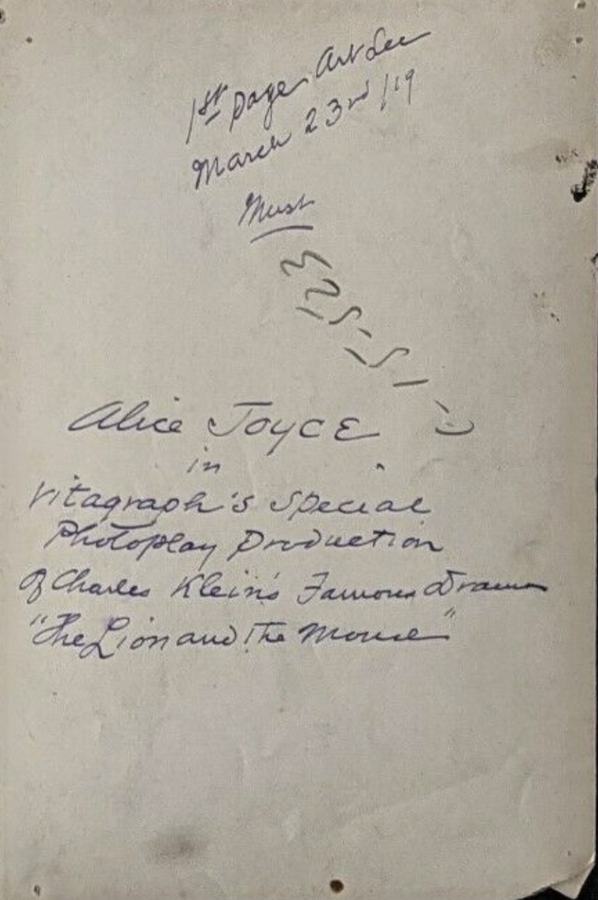
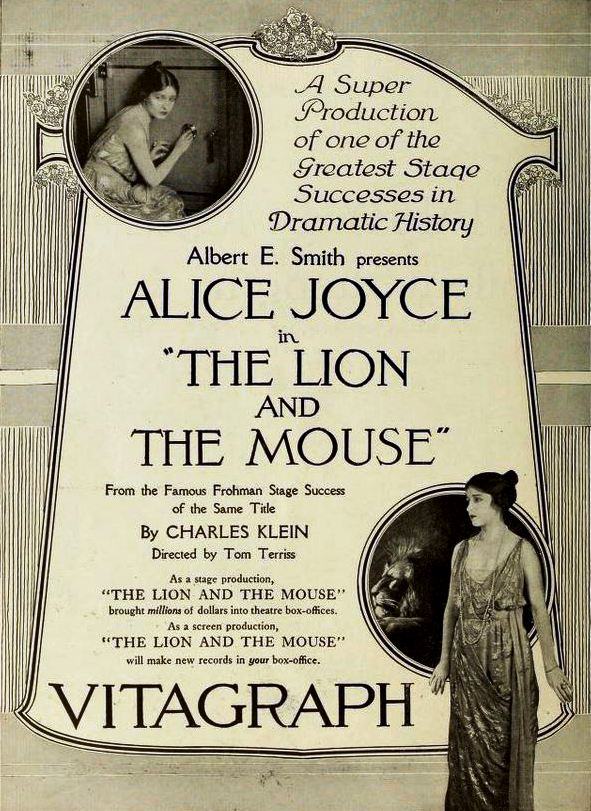
While deeply rooted in United States, The Lion and the Mouse has achieved a global reach, influencing directors from various backgrounds. Its ability to translate cult tropes into a universal cinematic language is why it remains a cult staple decades after its 1919 release.
| Cinematography | Noir-Inspired |
| Soundtrack | Experimental |
| Editing | Elliptical |
| Art Direction | Expressionist |
Visualizing the convergence of Tom Terriss's style and the core cult narrative.
John Burkett Ryder, "the richest man in the world," determines to discredit a judicial decision which works against the interest of his millions by discrediting its author, Judge Rossmore, and causes impeachment charges to be laid against him in Congress. The judge's daughter Shirley Rossmore, learns of his trouble and returns home from Paris, where she has won success as a writer. She is loved by Jefferson Ryder, son of the magnate who is slowly killing her father. Determined to force the millionaire's hand, she publishes "The American Octopus" under a pseudonym, using Burkett's character as the central figure. He is attracted by the book and brings Shirley, whom he knows as Sarah Green, to his home to write his biography. This is the opportunity she is seeking, as it gives her a chance to obtain the two letters which will clear her father's name. Jefferson Ryder helps her secure the desired papers, but his father catches him and denounces him as a thief. Shirley, who loves Jefferson, cannot stand to see him so branded and confesses her identity to his father. The "Lion" had long since been won by the charm of the "Mouse," and the story is cleared up in pleasing style. - Moving Picture World 1919.
Decades after its release, The Lion and the Mouse remains a vital piece of the cinematic puzzle. Its influence can be seen in countless modern works, solidifying Tom Terriss's status as a master of the craft in United States and beyond.