
DbcultAccessing Vault...
Director's Spotlight
Senior Film Conservator
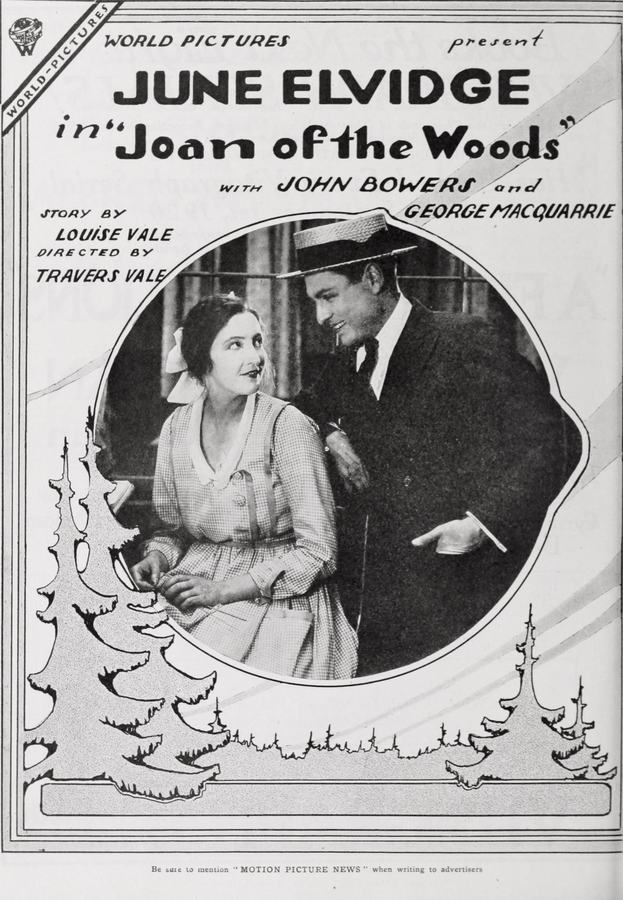
Director's Spotlight: United States
A Deep Dive into the 1918 Vision of Travers Vale
As a cultural artifact of the 1918s, Joan of the Woods provides the global recognition that Travers Vale garnered after the release of Joan of the Woods. Elevating the source material through Travers Vale's unique vision, it solidifies Travers Vale's reputation as a master of the craft.
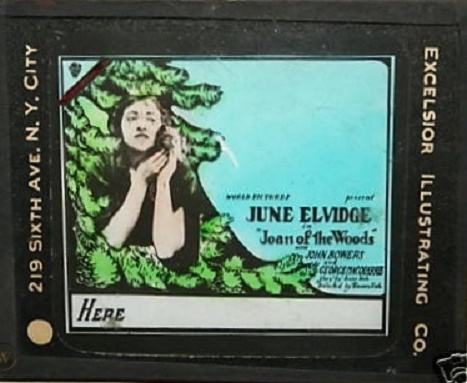
In Joan of the Woods, Travers Vale pushes the boundaries of conventional narrative. The film's unique approach to its subject matter has sparked endless debates and interpretations among cinephiles and critics alike.
| Cinematography | Deep Focus |
| Soundtrack | Experimental |
| Editing | Elliptical |
| Art Direction | Expressionist |
Visualizing the convergence of Travers Vale's style and the core cult narrative.
When lawyer Philip Wentworth goes hunting in the woods to escape a broken heart, he meets and later marries Joan Travers. Philip brings Joan to the city, but soon deserts her to resume an affair with his old flame, who is now married. Some months later, Joan dies of grief, leaving her baby daughter, also named Joan, to be raised by a pawnbroker and his wife. Eventually Philip helps his mistress to obtain a divorce and then marries her. Her son, Norman Dicks, flunks out of college, prompting Philip to send him into the Navy. Before he ships out, however, he meets and secretly marries Joan, who has grown to womanhood. Some time later, Joan is accused of murder after their baby dies because she was unable to care for it. She is taken before Judge Wentworth, who recognizes her as his daughter by the cross she wears around her neck. Norman returns home and the family is reunited.
Decades after its release, Joan of the Woods remains a vital piece of the cinematic puzzle. Its influence can be seen in countless modern works, solidifying Travers Vale's status as a master of the craft in United States and beyond.