
DbcultAccessing Vault...
Director's Spotlight
Senior Film Conservator
Director's Spotlight: United States
A Deep Dive into the 1918 Vision of Travers Vale
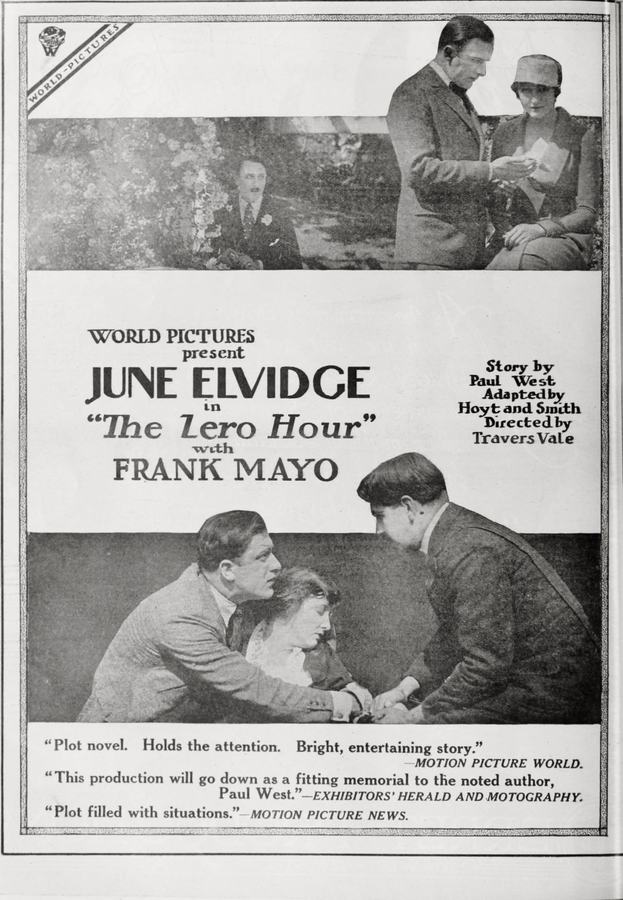
The brilliance of The Zero Hour (1918) is inseparable from the visionary mind of its creator, Travers Vale. Serving as a mirror to the anxieties of a changing world, it persists as a haunting reminder of our own cinematic history.
In The Zero Hour, Travers Vale pushes the boundaries of conventional narrative. The film's unique approach to its subject matter has sparked endless debates and interpretations among cinephiles and critics alike.
| Cinematography | Static |
| Soundtrack | Experimental |
| Editing | Invisible |
| Art Direction | Kitsch |
Visualizing the convergence of Travers Vale's style and the core cult narrative.
Twin sisters Fanny and Evelyn Craig are unaware that their stepfather, Micah Parrish, is a fake spiritualist until his lack of money forces them to return home from boarding school. Evelyn eagerly assists Parrish and his even more unscrupulous partner, Esau Brand, while Fanny, disgusted, leaves home to become lawyer Bruce Taunton's secretary. Following the death of his mother at a séance, Bruce vows to place the city's fake clairvoyants behind bars, but when Fanny is killed on the day she was to marry Bruce, he becomes unbalanced. Seeing an opportunity to stop the lawyer's crusade, Brand forces the reluctant Evelyn to appear to Bruce each evening as Fanny's spirit, but his threat of shooting himself so that he might join her causes her to reveal the deception. Brand finally is released, while Bruce finds consolation in Evelyn's love.
Decades after its release, The Zero Hour remains a vital piece of the cinematic puzzle. Its influence can be seen in countless modern works, solidifying Travers Vale's status as a master of the craft in United States and beyond.