
DbcultAccessing Vault...
Director's Spotlight
Senior Film Conservator
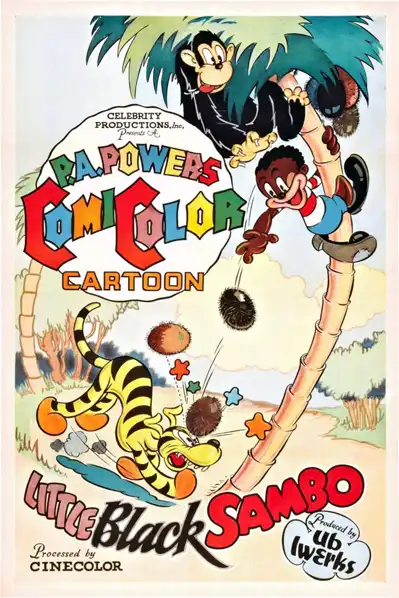
Director's Spotlight: United States
A Deep Dive into the 1935 Vision of Ub Iwerks
The thematic gravity of Little Black Sambo (1935) is rooted in the artistic risks taken by Ub Iwerks that eventually paid off. Defining a new era of United States artistic expression, it demands to be seen by anyone who cares about the art of film.
In Little Black Sambo, Ub Iwerks pushes the boundaries of conventional narrative. The film's unique approach to its subject matter has sparked endless debates and interpretations among cinephiles and critics alike.
| Cinematography | Static |
| Soundtrack | Diegetic |
| Editing | Elliptical |
| Art Direction | Expressionist |
Visualizing the convergence of Ub Iwerks's style and the core Family narrative.
Mammy gives Little Black Sambo a quick scrub on the washboard, then pats him down with baby powder, black baby powder, before sending him off to play. She warns him about the tiger. "That ol' tiger sure do like dark meat!" The family dog has brushed up against a freshly painted fence and now fancies himself to be a scary tiger. Sambo mistakes his dog for the tiger and is chased right up a tree. Then the pair meet a real tiger. Sambo is scared white. They run home and lock themselves in, but the feline sneaks in the back way. Sambo sets a molasses trap for the tiger, then burns him with a red hot frying pan. Mammy and Sambo dance in their delight at ridding themselves of the tiger.
Decades after its release, Little Black Sambo remains a vital piece of the cinematic puzzle. Its influence can be seen in countless modern works, solidifying Ub Iwerks's status as a master of the craft in United States and beyond.