
DbcultAccessing Vault...
Director's Spotlight
Senior Film Conservator
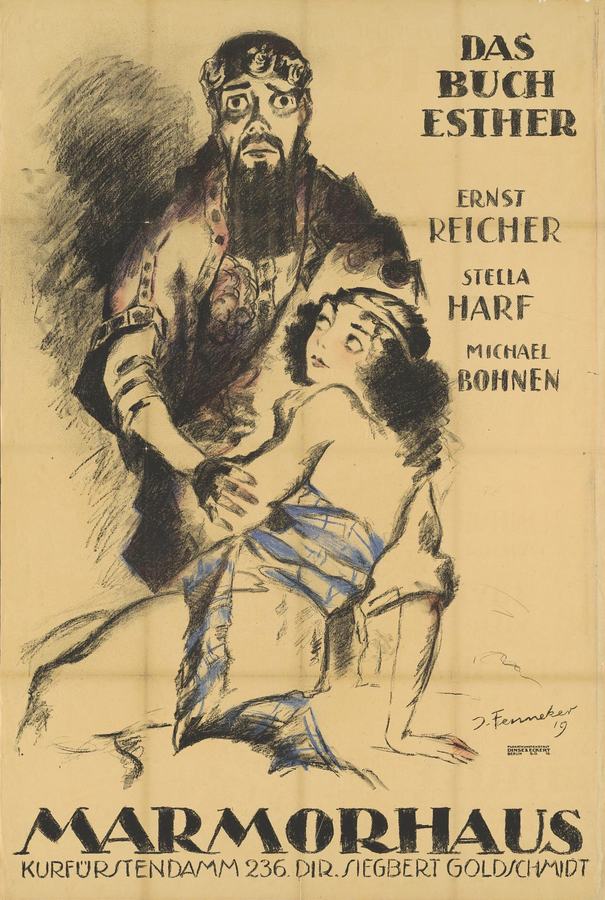
Director's Spotlight: Germany
A Deep Dive into the 1919 Vision of Uwe Jens Krafft
In the grand tapestry of cult cinema, Das Buch Esther serves as a bridge between the bold experimentation that has become synonymous with Uwe Jens Krafft. Breaking the traditional rules of cult engagement, it highlights the importance of independent voices in Germany.
In Das Buch Esther, Uwe Jens Krafft pushes the boundaries of conventional narrative. The film's unique approach to its subject matter has sparked endless debates and interpretations among cinephiles and critics alike.
While deeply rooted in Germany, Das Buch Esther has achieved a global reach, influencing directors from various backgrounds. Its ability to translate cult tropes into a universal cinematic language is why it remains a cult staple decades after its 1919 release.
| Cinematography | High-Contrast |
| Soundtrack | Experimental |
| Editing | Elliptical |
| Art Direction | Expressionist |
Visualizing the convergence of Uwe Jens Krafft's style and the core cult narrative.
This film is a biblical epic written, directed by and starring Ernst Reicher in the title role of the King, alongside his wife Stella Harf. This film is slightly different to the biblical book, and starts with the scenes of Haman and the Queen plotting against the Jews when Mordecai refuses to bow down to Haman. They convince the King to decree that all the Jews in the land should worship the same God as the King, all the while as Haman plots with the Queen to make himself King. The proclamation goes out and the Jews decide to present a young Virgin to the King to find favour on their behalf. Esther is chosen to be presented to the King and Mordecai, her guardian, is told. They hope that Esther can use her influence with the King to save them all. When it is time to present all the young maidens to the King, the Queen tries to prevent Esther from being seen because of her beauty. The King disapproves of the choices and so Esther is presented and the King falls for her. She is chosen to be the new Queen and a huge banquet is thrown. Meanwhile Haman and Queen Vashti plot to kill the king as he sleeps. Queen Vashti throws a banquet and invites the King and Haman and entertains them with wine and dancing girls but the King finds out about the plot to kill him and orders the capture of Haman who flees. The queen begs forgiveness and the King calls for Mordecai to issue a proclamation to release the Jews from their persecution. Haman is judged by the people and executed and Queen Vashti along with him.
Decades after its release, Das Buch Esther remains a vital piece of the cinematic puzzle. Its influence can be seen in countless modern works, solidifying Uwe Jens Krafft's status as a master of the craft in Germany and beyond.