
DbcultAccessing Vault...
Director's Spotlight
Senior Film Conservator
Director's Spotlight: United States
A Deep Dive into the 1923 Vision of Victor Fleming
Exploring the Drama underpinnings of Dark Secrets leads us to the stylistic boundaries pushed by Victor Fleming during the production. Through a lens of existential fatalism and Drama tropes, it continues to spark endless debates among critics and cinephiles alike.
In Dark Secrets, Victor Fleming pushes the boundaries of conventional narrative. The film's unique approach to its subject matter has sparked endless debates and interpretations among cinephiles and critics alike.
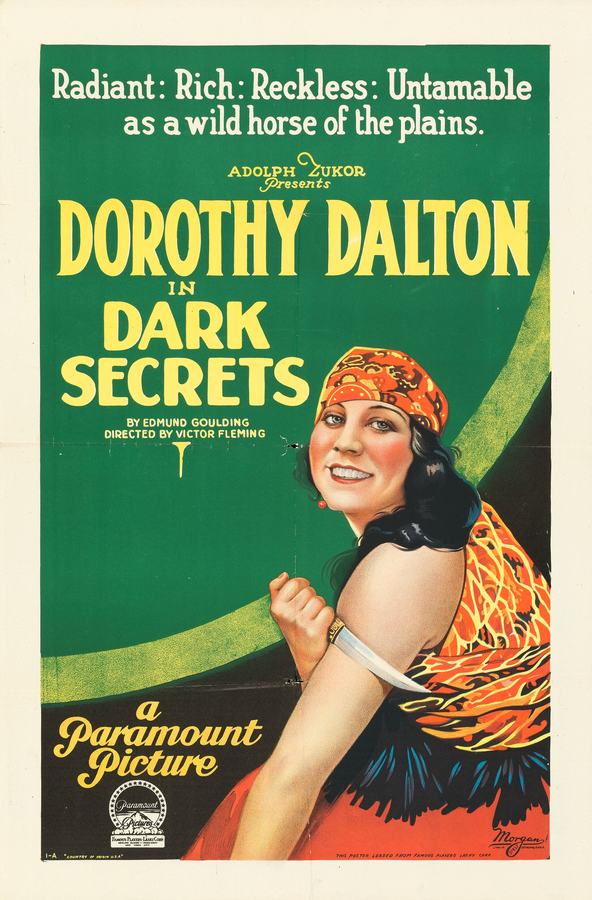
The visual language of Dark Secrets is defined by its use of shadows and framing, a hallmark of Victor Fleming's style. By utilizing a 1923-era palette, the film creates an immersive experience that perfectly complements its Drama themes.
| Cinematography | Handheld |
| Soundtrack | Minimalist |
| Editing | Slow-Burn |
| Art Direction | Brutalist |
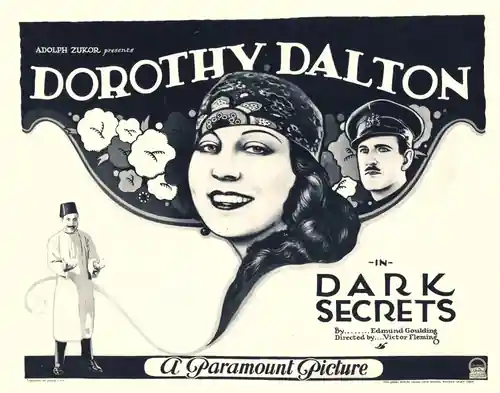
Visualizing the convergence of Victor Fleming's style and the core Drama narrative.
Long Island socialite Ruth Rutherford, crippled as a result of being thrown from a horse, breaks her engagement to Lord Wallington. Dejected, Wallie returns to his regiment in Egypt and sinks into dissipation. Ruth hears of his plight and also goes to Egypt, where she meets Dr. Mohammed Ali. Ali cures her lameness in return for Ruth's agreeing to become his wife, but Biskra, Ruth's servant, kills Ali before he can collect. Even from death Ali's power over Ruth returns her to her wheelchair until she jumps up to save Wallington from an attack feigned by Biskra.
Decades after its release, Dark Secrets remains a vital piece of the cinematic puzzle. Its influence can be seen in countless modern works, solidifying Victor Fleming's status as a master of the craft in United States and beyond.