
DbcultAccessing Vault...
Director's Spotlight
Senior Film Conservator
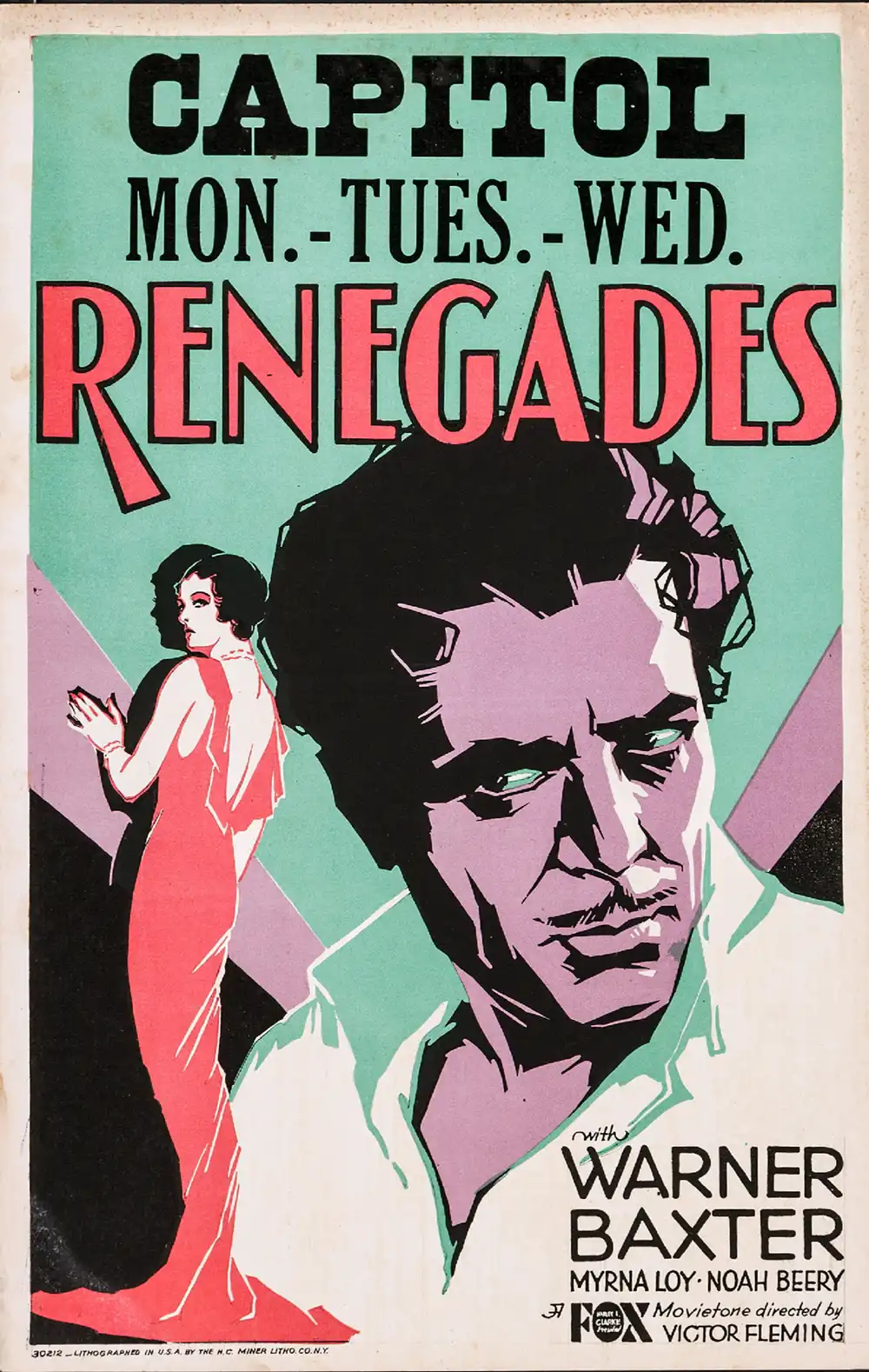
Director's Spotlight: United States
A Deep Dive into the 1930 Vision of Victor Fleming
The evocative power of Renegades stems from the unique collaboration between the bold experimentation that has become synonymous with Victor Fleming. Framed by the hauntingly beautiful landscapes of the production, it echoes the profound changes occurring in United States during that era.
In Renegades, Victor Fleming pushes the boundaries of conventional narrative. The film's unique approach to its subject matter has sparked endless debates and interpretations among cinephiles and critics alike.
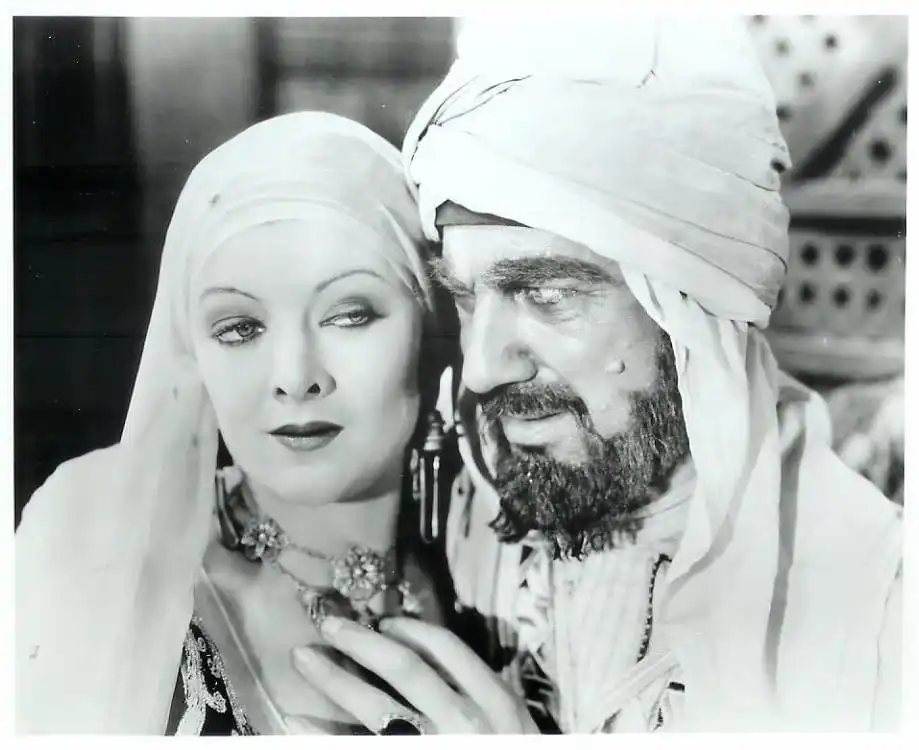
To fully appreciate Renegades, one must consider the cinematic climate of 1930. During this period, United States was undergoing significant artistic shifts, and Victor Fleming was at the forefront of this War movement, often challenging established norms.
| Cinematography | High-Contrast |
| Soundtrack | Synth-Heavy |
| Editing | Rhythmic |
| Art Direction | Naturalist |
Visualizing the convergence of Victor Fleming's style and the core War narrative.
Four one-for-all and all-for-one privates in the French Foreign Legion are all in jail for disorderly conduct, but they break out and rejoin their regiment and fight off a band of marauding Arabs, and are soon in Casablanca getting decorated by the French Minister of War. Deucalion spots Eleanor, a spy who had done him dirt and after tangling with the local gendarmes, they take her and head back for Morocco where they are charged with desertion, and have to go out and defeat some more marauding natives, and dodge the machine-gun fire directed at them by the highly-displeased Eleanor, and one thing just follows another.
Decades after its release, Renegades remains a vital piece of the cinematic puzzle. Its influence can be seen in countless modern works, solidifying Victor Fleming's status as a master of the craft in United States and beyond.