
DbcultAccessing Vault...
Director's Spotlight
Senior Film Conservator
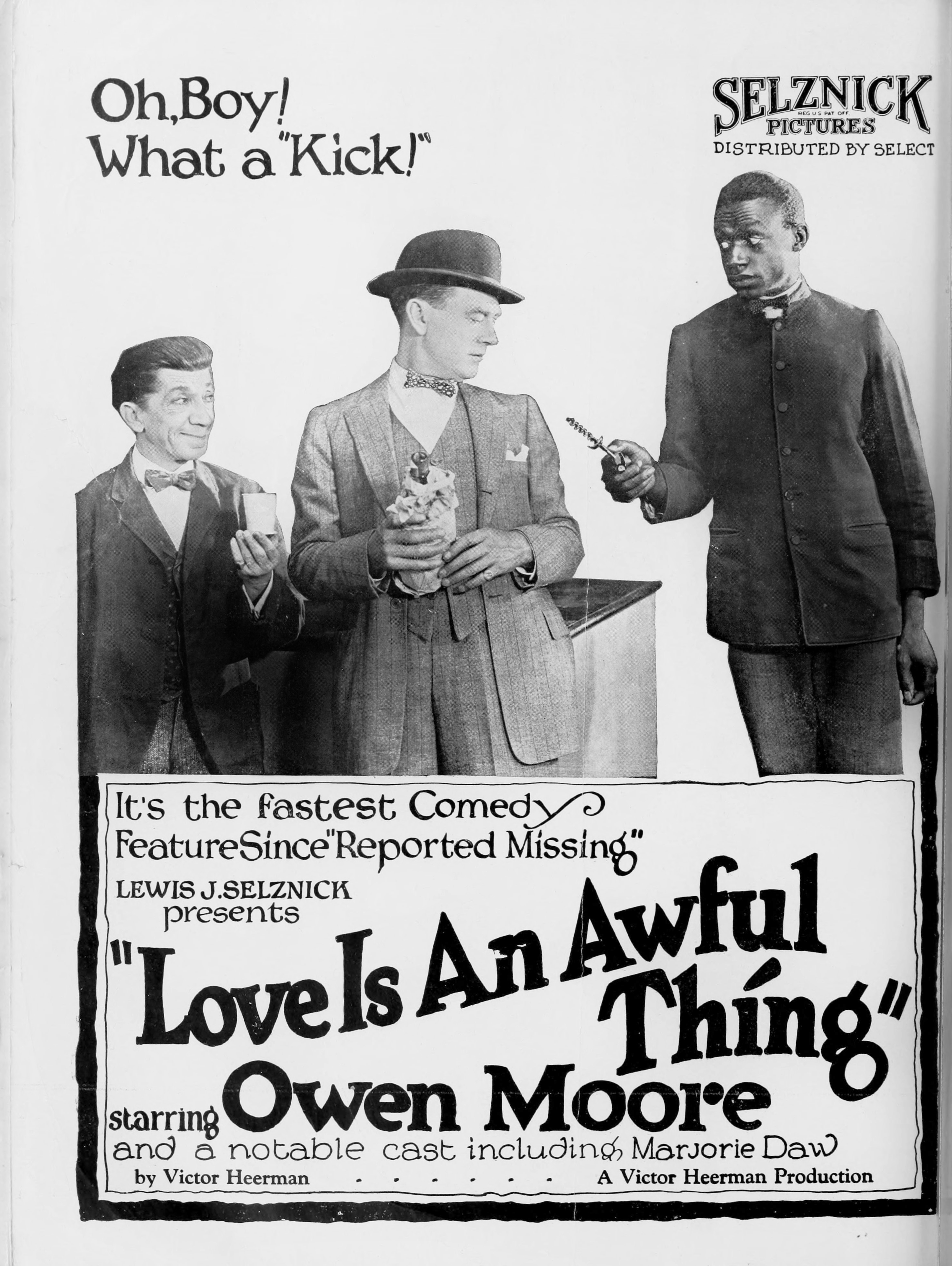
Director's Spotlight: United States
A Deep Dive into the 1922 Vision of Victor Heerman
Exploring the Comedy underpinnings of Love Is an Awful Thing leads us to the stylistic boundaries pushed by Victor Heerman during the production. Through a lens of existential fatalism and Comedy tropes, it continues to spark endless debates among critics and cinephiles alike.
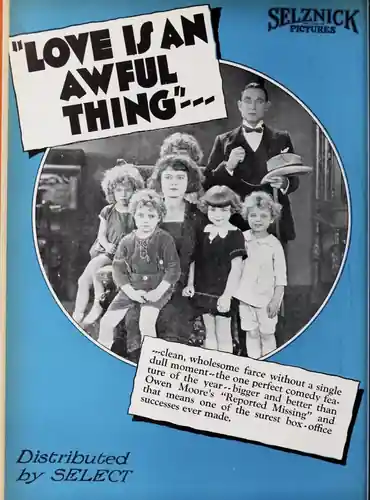
In Love Is an Awful Thing, Victor Heerman pushes the boundaries of conventional narrative. The film's unique approach to its subject matter has sparked endless debates and interpretations among cinephiles and critics alike.
| Cinematography | Handheld |
| Soundtrack | Experimental |
| Editing | Invisible |
| Art Direction | Kitsch |
Visualizing the convergence of Victor Heerman's style and the core Comedy narrative.
Anthony Churchill, about to marry Helen Griggs, is on six months' probation imposed upon him by Helen's father, who knows Anthony has been wild in his earlier days. Marion, a forgotten flame, turns up with incriminating love letters which Anthony has written and threatens a breach of promise suit. Anthony represents himself as already married, using the janitor's wife and some hired children as his supposed family. Marion seems convinced, but Helen is heartbroken when she discovers what she considers the proof of Anthony's perfidy. Anthony and his chum try to steal the incriminating love letters from Marion's room and are caught in the act. At the psychological moment Marion and her attorneys are identified as a couple of blackmailers engaging in a plan to mulct Anthony and the Griggs family of some of their money.
Decades after its release, Love Is an Awful Thing remains a vital piece of the cinematic puzzle. Its influence can be seen in countless modern works, solidifying Victor Heerman's status as a master of the craft in United States and beyond.