
DbcultAccessing Vault...
Director's Spotlight
Senior Film Conservator
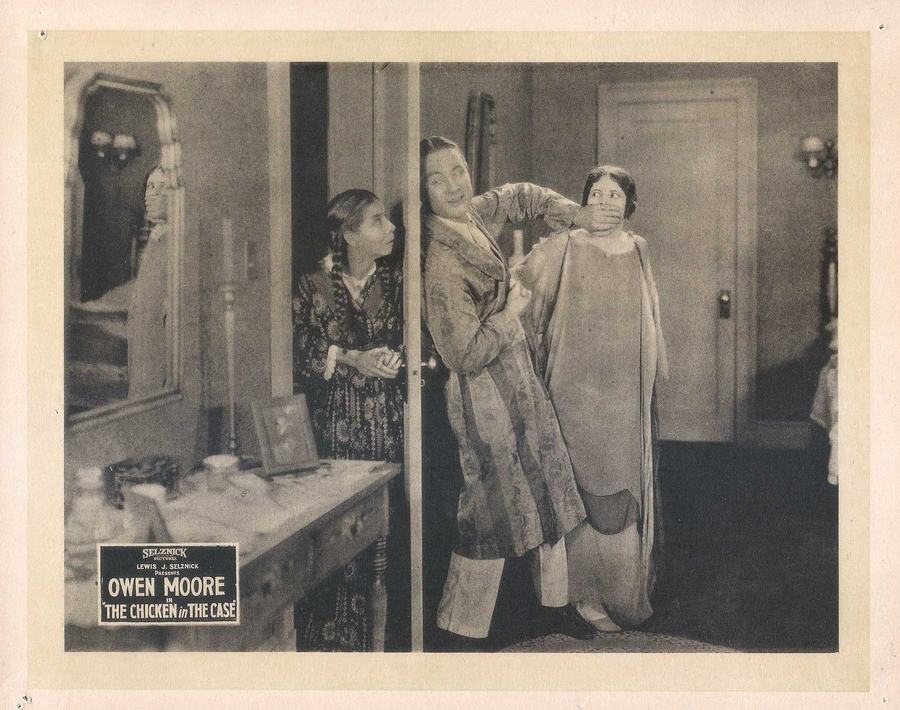
Director's Spotlight: United States
A Deep Dive into the 1921 Vision of Victor Heerman
When we examine the cinematic landscape of United States, The Chicken in the Case emerges as a landmark work of the enduring legacy of Victor Heerman's artistic contribution to the genre. Through a lens of existential fatalism and Comedy tropes, it captures a specific kind of cinematic magic that is rarely replicated.
In The Chicken in the Case, Victor Heerman pushes the boundaries of conventional narrative. The film's unique approach to its subject matter has sparked endless debates and interpretations among cinephiles and critics alike.
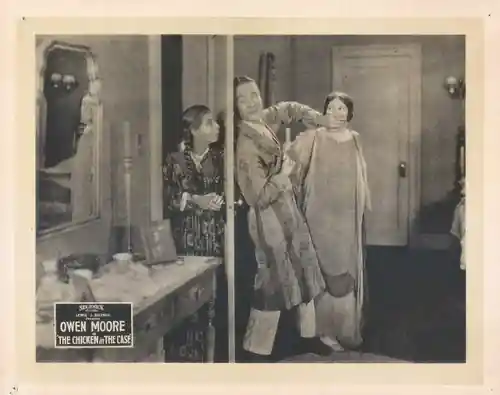
To fully appreciate The Chicken in the Case, one must consider the cinematic climate of 1921. During this period, United States was undergoing significant artistic shifts, and Victor Heerman was at the forefront of this Comedy movement, often challenging established norms.
| Cinematography | Deep Focus |
| Soundtrack | Diegetic |
| Editing | Elliptical |
| Art Direction | Expressionist |
Visualizing the convergence of Victor Heerman's style and the core Comedy narrative.
A young man's aunt refuses to give him his inheritance until he marries, so he passes off the wife of his friend as his new bride. His ruse is threatened when his aunt takes a liking to his new "bride" and whisks her off on a retreat when she thinks that she (the bride) is becoming too attentive to her "husband"'s friend (her real husband.) Now it's up to the young man to tell the truth and straighten up all the misunderstandings.
Decades after its release, The Chicken in the Case remains a vital piece of the cinematic puzzle. Its influence can be seen in countless modern works, solidifying Victor Heerman's status as a master of the craft in United States and beyond.