
DbcultAccessing Vault...
Director's Spotlight
Senior Film Conservator
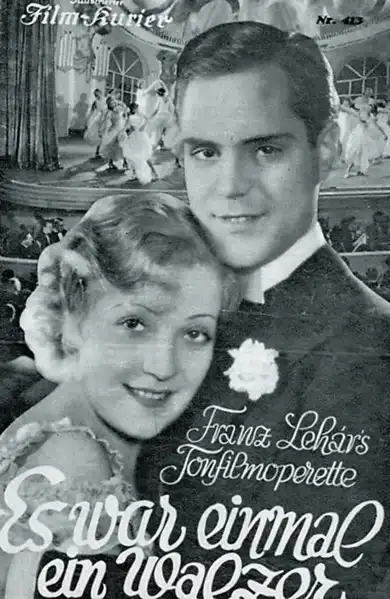
Director's Spotlight: Germany
A Deep Dive into the 1932 Vision of Victor Janson
The enduring fascination with Once There Was a Waltz is a testament to the defining moment in Musical history that Victor Janson helped create. This film stands as a masterclass in visual storytelling, it has cemented its place in the global cult cinema archive.
In Once There Was a Waltz, Victor Janson pushes the boundaries of conventional narrative. The film's unique approach to its subject matter has sparked endless debates and interpretations among cinephiles and critics alike.

To fully appreciate Once There Was a Waltz, one must consider the cinematic climate of 1932. During this period, Germany was undergoing significant artistic shifts, and Victor Janson was at the forefront of this Musical movement, often challenging established norms.
| Cinematography | Handheld |
| Soundtrack | Minimalist |
| Editing | Disjunctive |
| Art Direction | Baroque |
Visualizing the convergence of Victor Janson's style and the core Musical narrative.
Banker Rudi Moebius and his counselor arrive in Wien for an arranged marriage which should solve their financial problems. Only they don't know, but Lucie Weidling is broken too, and in love with Gustl, a musician without the courage to elope. Meanwhile Rudi meets Steffi and falls in love not even knowing her name. He and Lucie become good friends and decide to help each other.
Decades after its release, Once There Was a Waltz remains a vital piece of the cinematic puzzle. Its influence can be seen in countless modern works, solidifying Victor Janson's status as a master of the craft in Germany and beyond.