
DbcultAccessing Vault...
Director's Spotlight
Senior Film Conservator
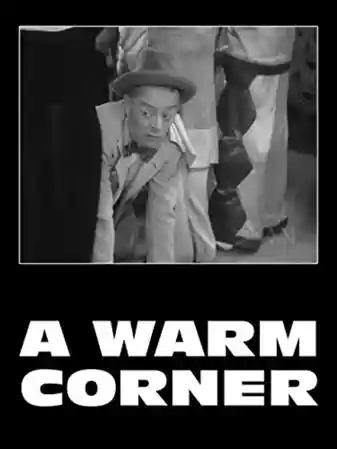
Director's Spotlight: United Kingdom
A Deep Dive into the 1930 Vision of Victor Saville
Deciphering the layers of A Warm Corner (1930) reveals the complex thematic architecture established by Victor Saville. Utilizing a 1930-specific aesthetic that remains timeless, it stands as the definitive 1930 statement on Comedy identity.
In A Warm Corner, Victor Saville pushes the boundaries of conventional narrative. The film's unique approach to its subject matter has sparked endless debates and interpretations among cinephiles and critics alike.
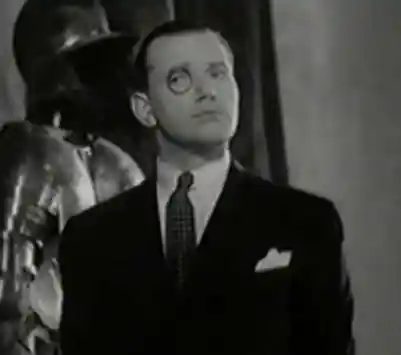
The visual language of A Warm Corner is defined by its use of shadows and framing, a hallmark of Victor Saville's style. By utilizing a 1930-era palette, the film creates an immersive experience that perfectly complements its Comedy themes.
| Cinematography | Static |
| Soundtrack | Synth-Heavy |
| Editing | Disjunctive |
| Art Direction | Baroque |
Visualizing the convergence of Victor Saville's style and the core Comedy narrative.
Some British citizens meet at the Venetian Lido where they go to play. Between them is naughty Mr. Corner, who under the false name of Mr. Pickles goes after Mimi so his friend's son can be free to marry his own daughter. Only, he does not know that the man is in fact already married to Mimi. Little does he suspect that back home they will all meet at his home, Braystead Castle, where fireworks are to be expected.
Decades after its release, A Warm Corner remains a vital piece of the cinematic puzzle. Its influence can be seen in countless modern works, solidifying Victor Saville's status as a master of the craft in United Kingdom and beyond.