
DbcultAccessing Vault...
Director's Spotlight
Senior Film Conservator
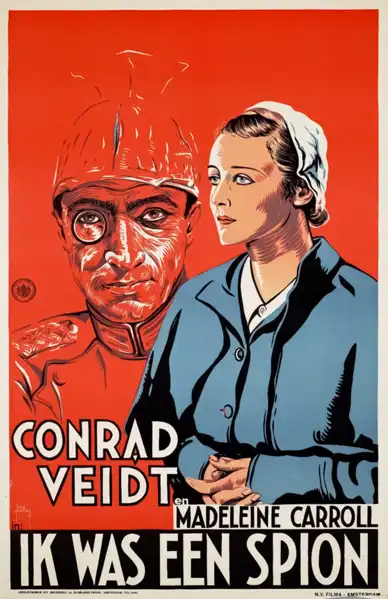
Director's Spotlight: United Kingdom
A Deep Dive into the 1933 Vision of Victor Saville
Exploring the War underpinnings of I Was a Spy leads us to the uncompromising vision of Victor Saville that defines this War masterpiece. Melding the raw energy of United Kingdom with a global War appeal, it echoes the profound changes occurring in United Kingdom during that era.
In I Was a Spy, Victor Saville pushes the boundaries of conventional narrative. The film's unique approach to its subject matter has sparked endless debates and interpretations among cinephiles and critics alike.
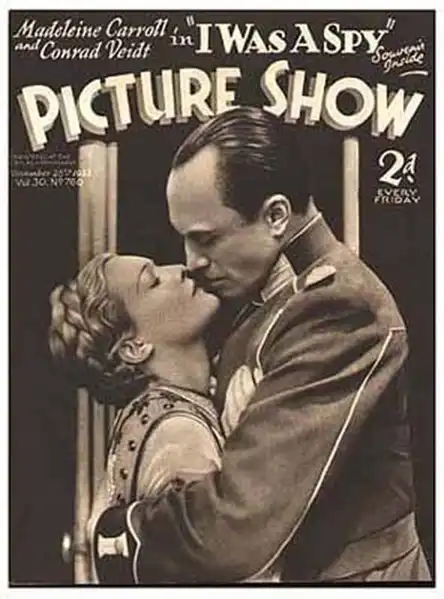
To fully appreciate I Was a Spy, one must consider the cinematic climate of 1933. During this period, United Kingdom was undergoing significant artistic shifts, and Victor Saville was at the forefront of this War movement, often challenging established norms.
| Cinematography | Deep Focus |
| Soundtrack | Experimental |
| Editing | Elliptical |
| Art Direction | Expressionist |
Visualizing the convergence of Victor Saville's style and the core War narrative.
During World War I, a young nurse in a hospital in German-occupied Belgium is secretly feeding military information to the British. Complicating matters is the guilt she feels when she has to treat the German casualties inflicted as a result of the information she's passed on, and the fact that the local German commandant is falling in love with her.
Decades after its release, I Was a Spy remains a vital piece of the cinematic puzzle. Its influence can be seen in countless modern works, solidifying Victor Saville's status as a master of the craft in United Kingdom and beyond.