
DbcultAccessing Vault...
Director's Spotlight
Senior Film Conservator
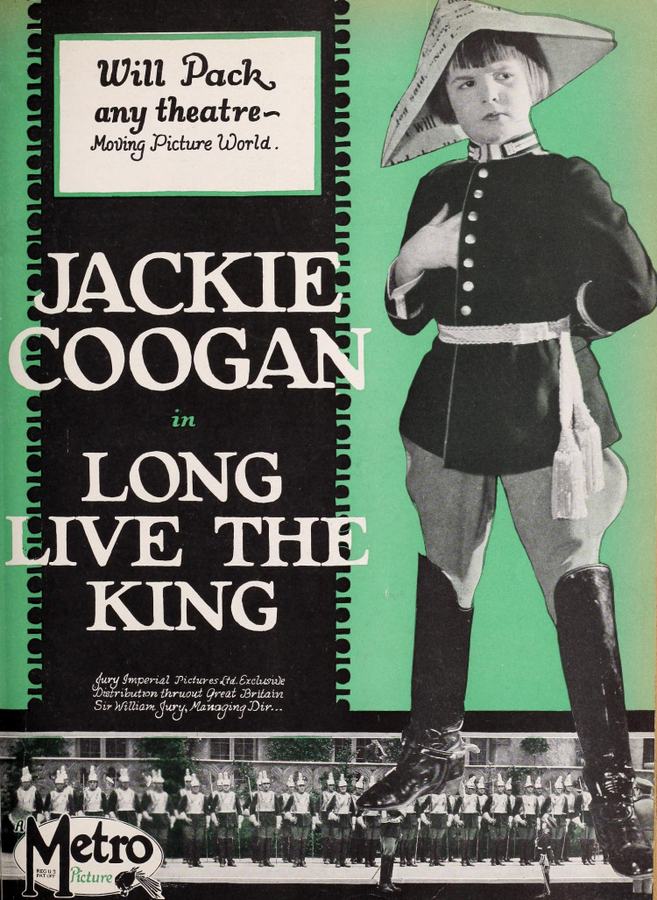
Director's Spotlight: United States
A Deep Dive into the 1923 Vision of Victor Schertzinger
In the storied career of Victor Schertzinger, Long Live the King stands as a the atmospheric immersion that Victor Schertzinger achieves throughout Long Live the King. Reflecting the political and social shifts of the 1923s, it reinforces the idea that cinema is a medium of infinite possibilities.
In Long Live the King, Victor Schertzinger pushes the boundaries of conventional narrative. The film's unique approach to its subject matter has sparked endless debates and interpretations among cinephiles and critics alike.
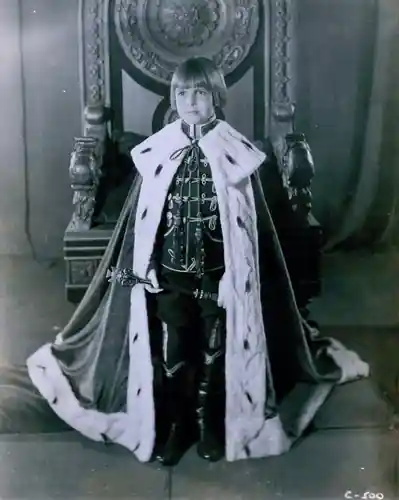
To fully appreciate Long Live the King, one must consider the cinematic climate of 1923. During this period, United States was undergoing significant artistic shifts, and Victor Schertzinger was at the forefront of this Drama movement, often challenging established norms.
| Cinematography | High-Contrast |
| Soundtrack | Experimental |
| Editing | Elliptical |
| Art Direction | Expressionist |
Visualizing the convergence of Victor Schertzinger's style and the core Drama narrative.
Crown Prince Otto of Livonia, wishing to be like an ordinary little boy, runs away with Bobby, an American playmate. The king dies, and when the prince does not appear, the people begin to rise in revolution. Finally Otto hears the death knell for the king. In his hasty return to the palace, Otto is intercepted by revolutionaries and held captive until his friend Lieutenant Nikky rescues him. He arrives at the palace in time to restore order.
Decades after its release, Long Live the King remains a vital piece of the cinematic puzzle. Its influence can be seen in countless modern works, solidifying Victor Schertzinger's status as a master of the craft in United States and beyond.