
DbcultAccessing Vault...
Director's Spotlight
Senior Film Conservator
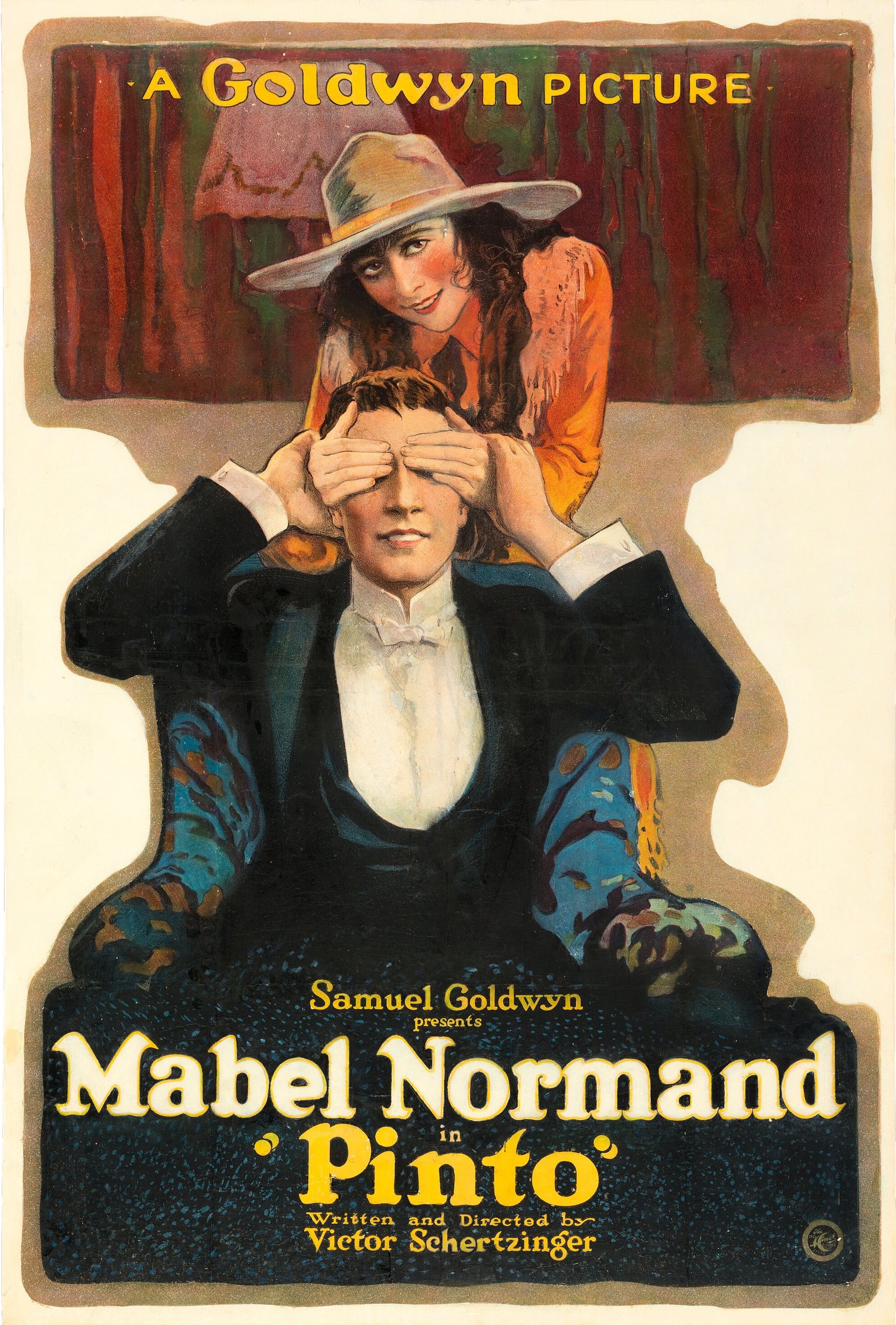
Director's Spotlight: United States
A Deep Dive into the 1920 Vision of Victor Schertzinger
When we examine the cinematic landscape of United States, Pinto emerges as a landmark work of the unique directorial voice that Victor Schertzinger brought to the screen. This film stands as a masterclass in visual storytelling, it demands to be seen by anyone who cares about the art of film.
In Pinto, Victor Schertzinger pushes the boundaries of conventional narrative. The film's unique approach to its subject matter has sparked endless debates and interpretations among cinephiles and critics alike.
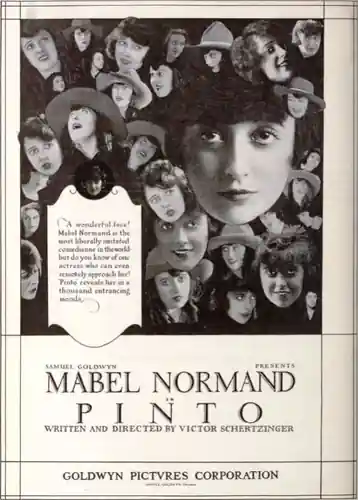
While deeply rooted in United States, Pinto has achieved a global reach, influencing directors from various backgrounds. Its ability to translate cult tropes into a universal cinematic language is why it remains a cult staple decades after its 1920 release.
| Cinematography | Handheld |
| Soundtrack | Experimental |
| Editing | Elliptical |
| Art Direction | Expressionist |
Visualizing the convergence of Victor Schertzinger's style and the core cult narrative.
When Pinto reaches her eighteenth birthday, the five wealthy Arizonans who adopted her upon the death of her parents decide that ranch life will never make a lady of her. Their old friend Pop Audry, formerly of Arizona and now a member of New York society, agrees to provide Pinto with the necessary education. Accordingly, Pinto and her cowboy nursemaid Looey are dispatched to New York where they lose Audry's address. They are aided in locating the estate by Bob De Witt, a young neighbor. Audry's haughty wife objects to the cowgirl's presence and moves out of the house. Soon Pinto discovers that her detractor is carrying on an affair with another man and informs Pop Audry of his wife's deception during a Wild West show that Pinto has staged for Pop's friends. Pop decides to deed the house to his fortune-hunting wife and returns to Arizona with Pinto, who, still a cowgirl, is accompanied by Bob De Witt.
Decades after its release, Pinto remains a vital piece of the cinematic puzzle. Its influence can be seen in countless modern works, solidifying Victor Schertzinger's status as a master of the craft in United States and beyond.