
DbcultAccessing Vault...
Director's Spotlight
Senior Film Conservator
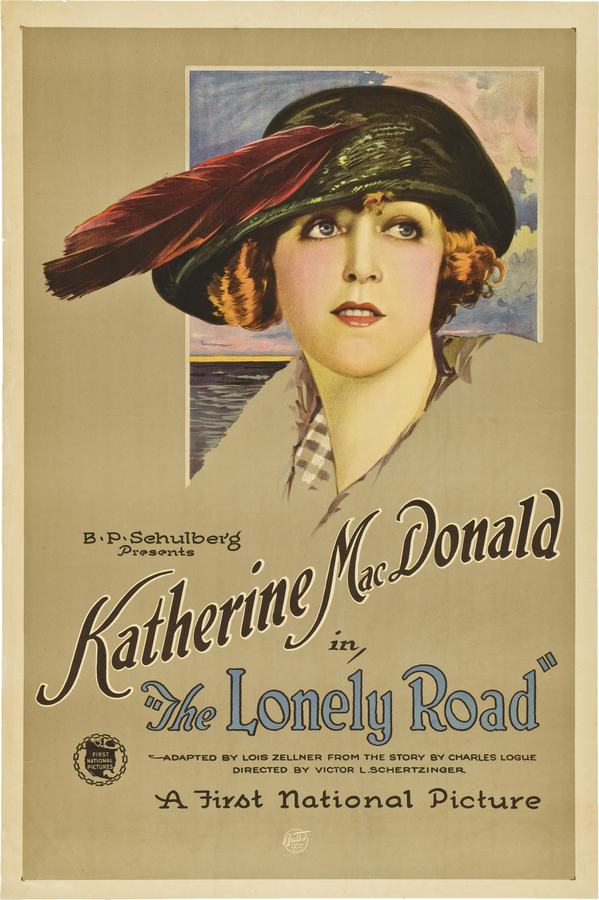
Director's Spotlight: United States
A Deep Dive into the 1923 Vision of Victor Schertzinger
The thematic gravity of The Lonely Road (1923) is rooted in the historical context that Victor Schertzinger weaves into the Drama fabric. Synthesizing the best elements of United States and international cinema, it highlights the importance of independent voices in United States.
In The Lonely Road, Victor Schertzinger pushes the boundaries of conventional narrative. The film's unique approach to its subject matter has sparked endless debates and interpretations among cinephiles and critics alike.
| Cinematography | Noir-Inspired |
| Soundtrack | Diegetic |
| Editing | Elliptical |
| Art Direction | Expressionist |
Visualizing the convergence of Victor Schertzinger's style and the core Drama narrative.
Betty Austin gives up her dream of going to the city and marries Warren Wade, but she sadly finds him selfish and insistent on her acting like a "clinging vine." Disgusted, she joins her career-girl chum, Leila Mead, in the city, where she meets Dr. Devereaux. Shortly after returning home with Warren, their son is injured. Betty takes him to Dr. Devereaux, and Warren follows, accusing Betty of leaving him for the doctor. Their son is cured; Warren learns his mistake and gives Betty greater responsibility in managing family money matters.
Decades after its release, The Lonely Road remains a vital piece of the cinematic puzzle. Its influence can be seen in countless modern works, solidifying Victor Schertzinger's status as a master of the craft in United States and beyond.