
DbcultAccessing Vault...
Director's Spotlight
Senior Film Conservator
Director's Spotlight: Germany
A Deep Dive into the 1924 Vision of Viking Eggeling
The artistic breakthrough represented by Diagonal Symphony in 1924 highlights the philosophical inquiries that Viking Eggeling embeds within the narrative. Framed by the hauntingly beautiful landscapes of the production, it leaves an indelible mark on the soul of the viewer.
In Diagonal Symphony, Viking Eggeling pushes the boundaries of conventional narrative. The film's unique approach to its subject matter has sparked endless debates and interpretations among cinephiles and critics alike.
To fully appreciate Diagonal Symphony, one must consider the cinematic climate of 1924. During this period, Germany was undergoing significant artistic shifts, and Viking Eggeling was at the forefront of this Music movement, often challenging established norms.
| Cinematography | Handheld |
| Soundtrack | Synth-Heavy |
| Editing | Disjunctive |
| Art Direction | Baroque |
Visualizing the convergence of Viking Eggeling's style and the core Music narrative.
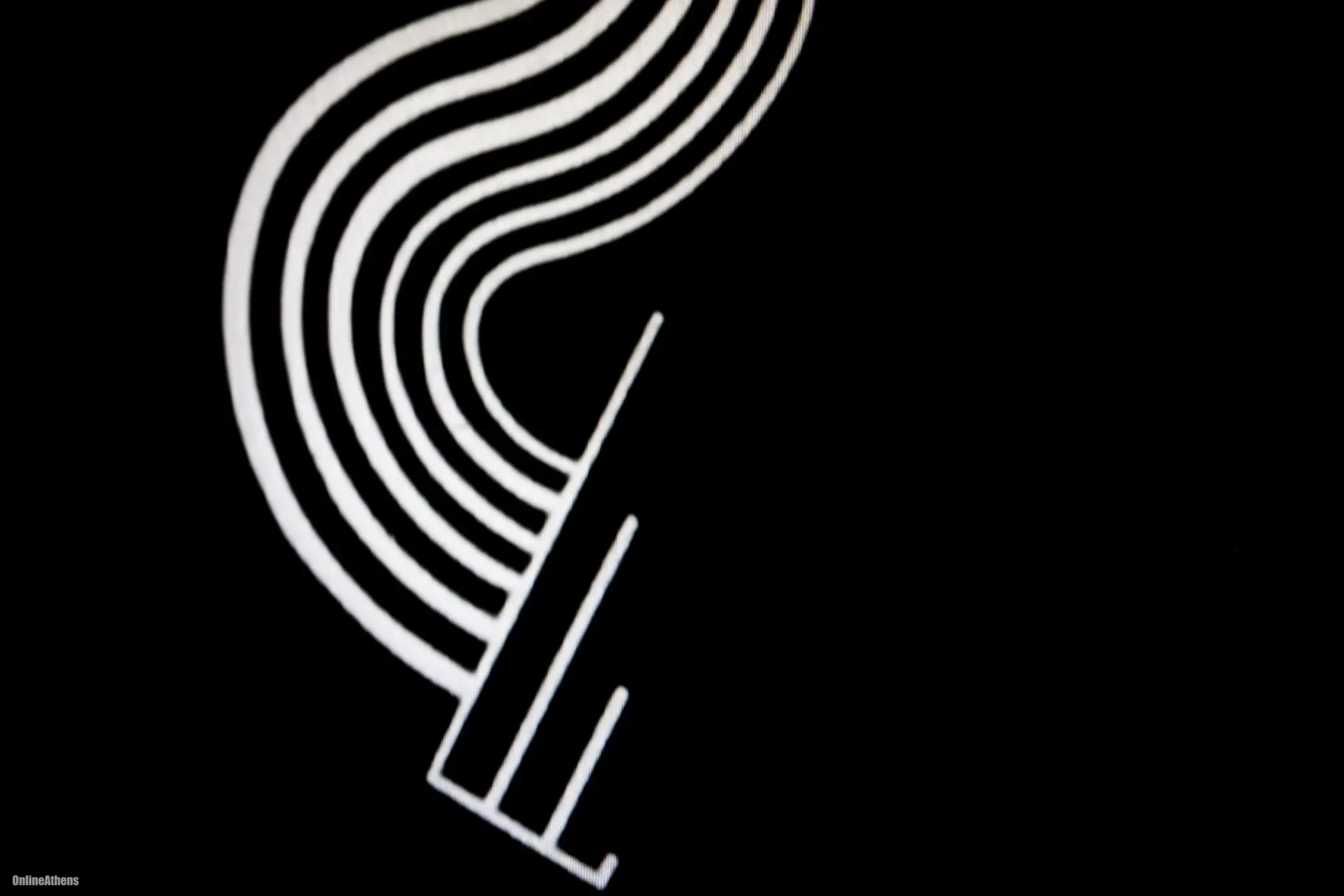
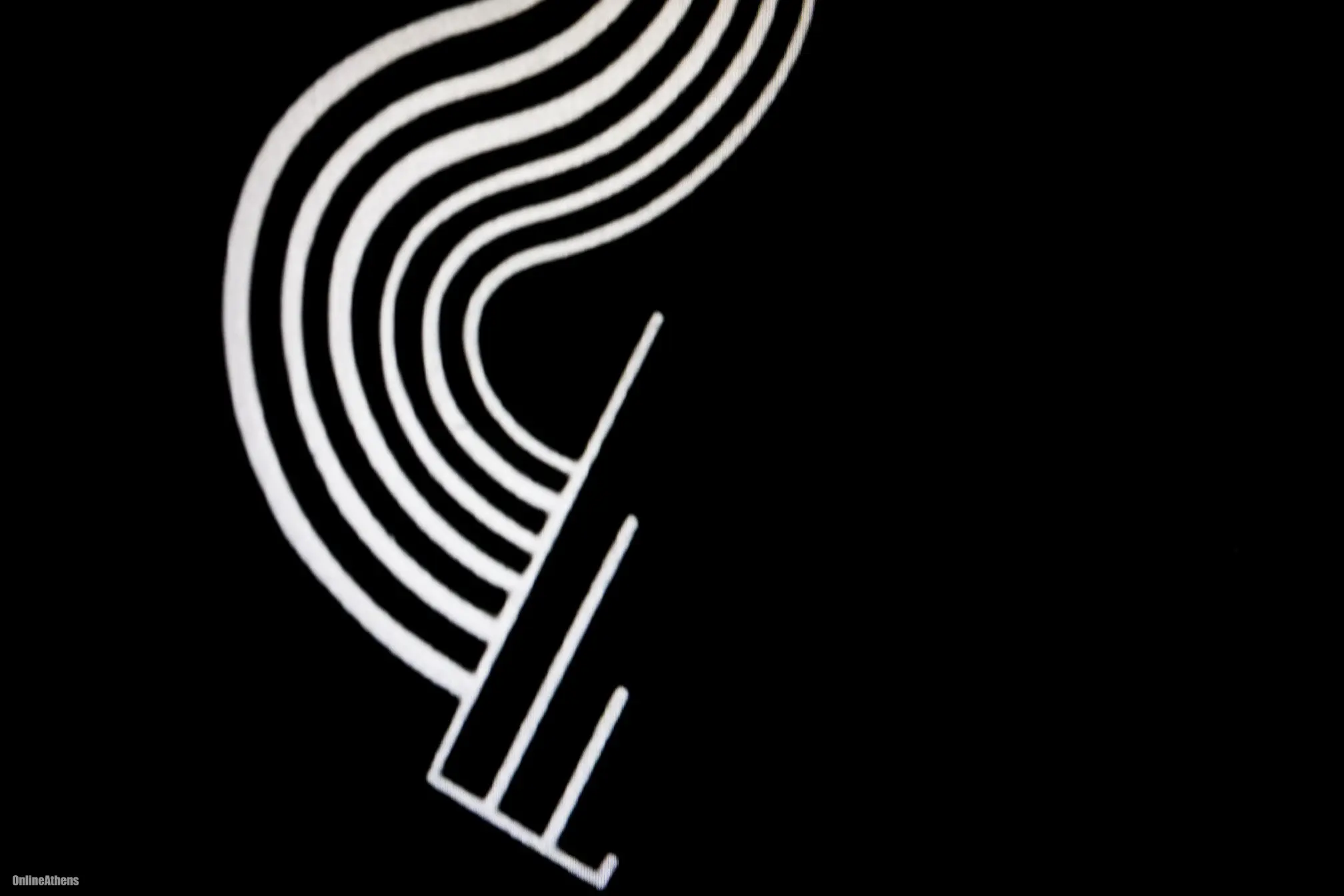
A tilted figure, consisting largely of right angles at the beginning, grows by accretion, with the addition of short straight lines and curves which sprout from the existing design. The figure vanishes and the process begins again with a new pattern, each cycle lasting one or two seconds. The complete figures are drawn in a vaguely Art Deco style and could be said to resemble any number of things, an ear, a harp, panpipes, a grand piano with trombones, and so on, only highly stylized. The tone is playful and hypnotic.
Decades after its release, Diagonal Symphony remains a vital piece of the cinematic puzzle. Its influence can be seen in countless modern works, solidifying Viking Eggeling's status as a master of the craft in Germany and beyond.