
DbcultAccessing Vault...
Director's Spotlight
Senior Film Conservator
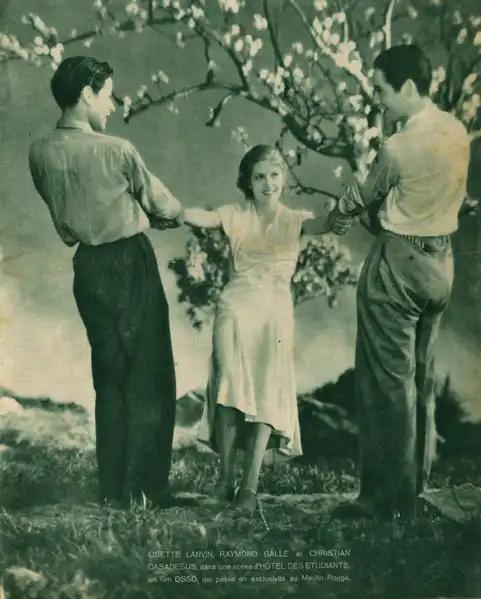
Director's Spotlight: France
A Deep Dive into the 1932 Vision of Viktor Tourjansky
Witnessing the stylistic transformation of Drama through Hôtel des étudiants reveals the provocative questions that Viktor Tourjansky poses to the France audience. Exploring the nuances of the human condition with Drama flair, it showcases the power of Drama as a tool for social commentary.
In Hôtel des étudiants, Viktor Tourjansky pushes the boundaries of conventional narrative. The film's unique approach to its subject matter has sparked endless debates and interpretations among cinephiles and critics alike.
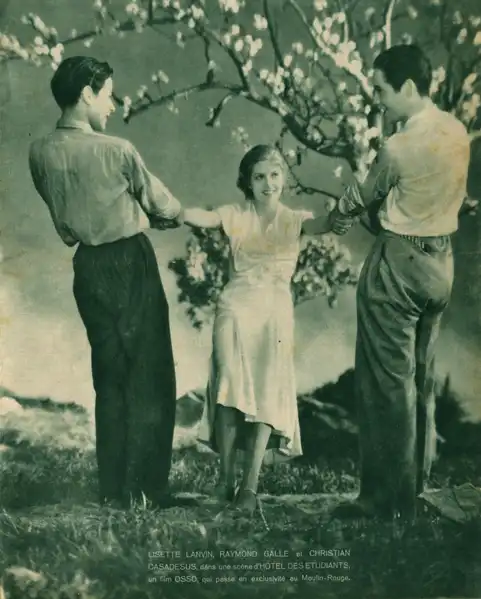
To fully appreciate Hôtel des étudiants, one must consider the cinematic climate of 1932. During this period, France was undergoing significant artistic shifts, and Viktor Tourjansky was at the forefront of this Drama movement, often challenging established norms.
| Cinematography | Handheld |
| Soundtrack | Orchestral |
| Editing | Invisible |
| Art Direction | Kitsch |
Visualizing the convergence of Viktor Tourjansky's style and the core Drama narrative.
At the Sorbonne University in Paris, Odette, a young student, is courted by two sympathetic students. She gives in to the advances of the most charming, Jacques, and finds herself pregnant. Maxime, who has obtained nothing from her, immediately offers to become her husband, but she don't want him. Jacques, when he finds out about the situation, finally decides to marry Odette, much to Maxime's disappointment.
Decades after its release, Hôtel des étudiants remains a vital piece of the cinematic puzzle. Its influence can be seen in countless modern works, solidifying Viktor Tourjansky's status as a master of the craft in France and beyond.