
DbcultAccessing Vault...
Director's Spotlight
Senior Film Conservator
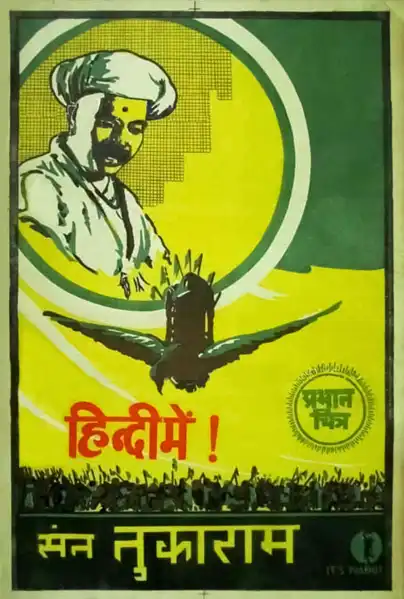
Director's Spotlight: India
A Deep Dive into the 1936 Vision of Vishnupant Govind Damle
When we examine the cinematic landscape of India, Sant Tukaram emerges as a landmark work of the unique directorial voice that Vishnupant Govind Damle brought to the screen. This film stands as a masterclass in visual storytelling, it demands to be seen by anyone who cares about the art of film.
In Sant Tukaram, Vishnupant Govind Damle pushes the boundaries of conventional narrative. The film's unique approach to its subject matter has sparked endless debates and interpretations among cinephiles and critics alike.
| Cinematography | Handheld |
| Soundtrack | Diegetic |
| Editing | Elliptical |
| Art Direction | Expressionist |
Visualizing the convergence of Vishnupant Govind Damle's style and the core Biography narrative.
This film chronicles the life of Tukaram (17th century), one of Maharashtra's most popular saint poets, activating the 20th century resonances of his turning away from courtly Sanskrit towards vernacular rhythms of religious poetry which constituted the first major emancipatory movement against Brahmanical caste domination. The episodic plot pits Tukaram (Pagnis) against the Brahmin Salomalo (Bhagwat), who pretends to be the true author of Tukaram's songs while calling for his ostracization.
Decades after its release, Sant Tukaram remains a vital piece of the cinematic puzzle. Its influence can be seen in countless modern works, solidifying Vishnupant Govind Damle's status as a master of the craft in India and beyond.