
DbcultAccessing Vault...
Director's Spotlight
Senior Film Conservator
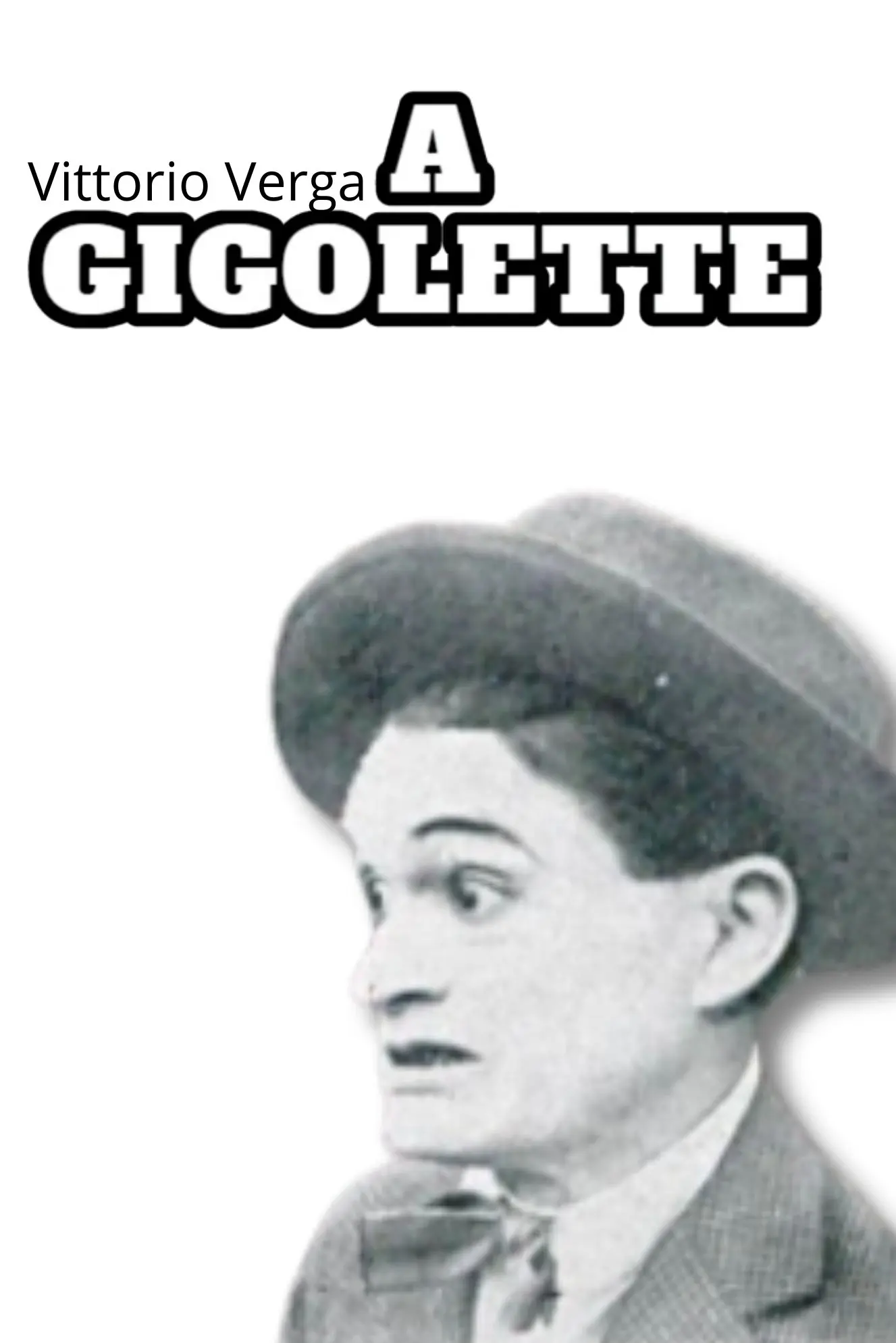
Director's Spotlight: Brazil
A Deep Dive into the 1924 Vision of Vittorio Verga
The artistic breakthrough represented by Gigolete in 1924 highlights the philosophical inquiries that Vittorio Verga embeds within the narrative. Framed by the hauntingly beautiful landscapes of the production, it leaves an indelible mark on the soul of the viewer.
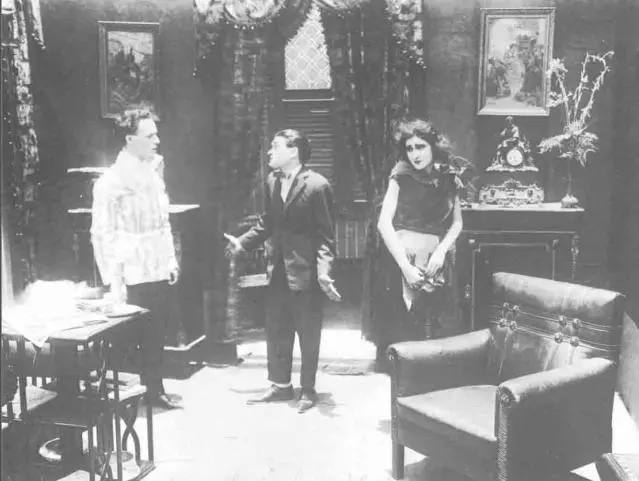
In Gigolete, Vittorio Verga pushes the boundaries of conventional narrative. The film's unique approach to its subject matter has sparked endless debates and interpretations among cinephiles and critics alike.
| Cinematography | High-Contrast |
| Soundtrack | Experimental |
| Editing | Elliptical |
| Art Direction | Expressionist |
Visualizing the convergence of Vittorio Verga's style and the core Drama narrative.
This movie is completely destroyed. There is only a fragment with less than 2 minutes with the conclusion. The plot, from literature, is the following: Marina Luz is the daughter of the a fisherman and a laundress. She loves parties, especially Carnival, and she helps her family delivering laundered clothes to the clients. One of them, the wealthy Dr. Helzein, has a crush on Marina. However, in the Carnival party, she plays with the small time crook Alvaro and she loses her virginity on the beach with him. Alvaro vanishes and she gets pregnant, but Dr. Helzein accepts to marry her and have a bastard son. Later, Alvaro returns and claims for his son.
Decades after its release, Gigolete remains a vital piece of the cinematic puzzle. Its influence can be seen in countless modern works, solidifying Vittorio Verga's status as a master of the craft in Brazil and beyond.