
DbcultAccessing Vault...
Director's Spotlight
Senior Film Conservator
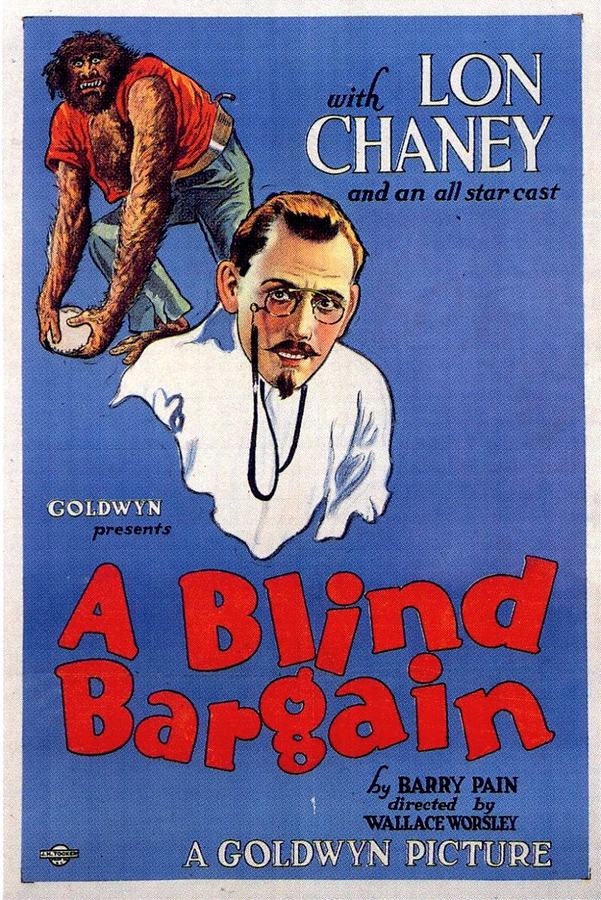
Director's Spotlight: United States
A Deep Dive into the 1922 Vision of Wallace Worsley
To understand the modern evolution of United States film, one must first look at A Blind Bargain and the collaborative alchemy between Wallace Worsley and the 1922 creative team. Subverting the expectations of the typical 1922 audience, it remains a vital reference point for anyone studying the evolution of Wallace Worsley.
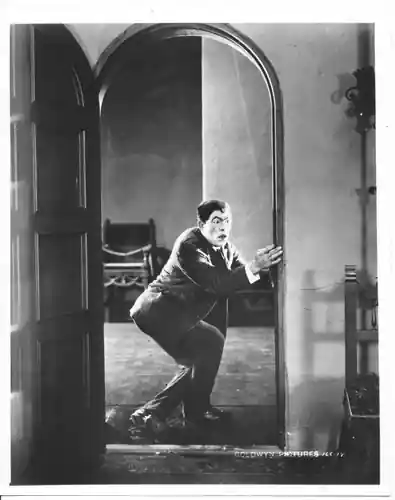
In A Blind Bargain, Wallace Worsley pushes the boundaries of conventional narrative. The film's unique approach to its subject matter has sparked endless debates and interpretations among cinephiles and critics alike.
| Cinematography | High-Contrast |
| Soundtrack | Orchestral |
| Editing | Invisible |
| Art Direction | Kitsch |
Visualizing the convergence of Wallace Worsley's style and the core Drama narrative.
In return for money and medical aid for his invalid mother, struggling author Robert Sandell agrees to subject himself to experiments by Dr. Lamb, who claims he is trying to extend the human lifespan. Despite warnings from the doctor's wife and a hunchbacked assistant, Robert allows himself to be strapped to an operating table, whereupon he learns the true nature of the surgeon's experiments: To prove the theory of evolution by devolving his human subjects into an approximation of their simian ancestors. However, before Dr. Lamb can proceed, the hunchback un-cages another victim, an ape-man, who crushes Dr. Lamb to death.
Decades after its release, A Blind Bargain remains a vital piece of the cinematic puzzle. Its influence can be seen in countless modern works, solidifying Wallace Worsley's status as a master of the craft in United States and beyond.