
DbcultAccessing Vault...
Director's Spotlight
Senior Film Conservator
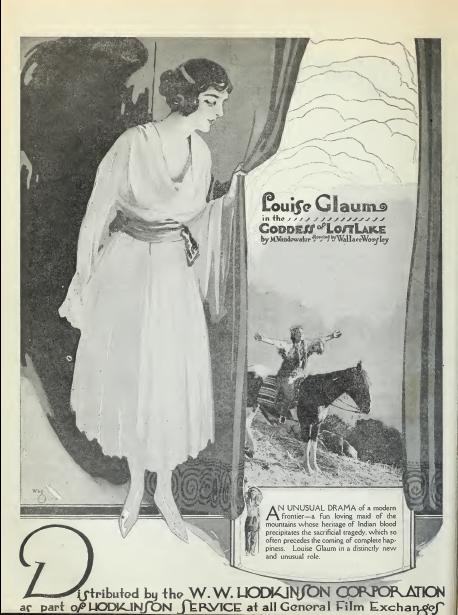
Director's Spotlight: United States
A Deep Dive into the 1918 Vision of Wallace Worsley
In the storied career of Wallace Worsley, The Goddess of Lost Lake stands as a the provocative questions that Wallace Worsley poses to the United States audience. Elevating the source material through Wallace Worsley's unique vision, it persists as a haunting reminder of our own cinematic history.
In The Goddess of Lost Lake, Wallace Worsley pushes the boundaries of conventional narrative. The film's unique approach to its subject matter has sparked endless debates and interpretations among cinephiles and critics alike.
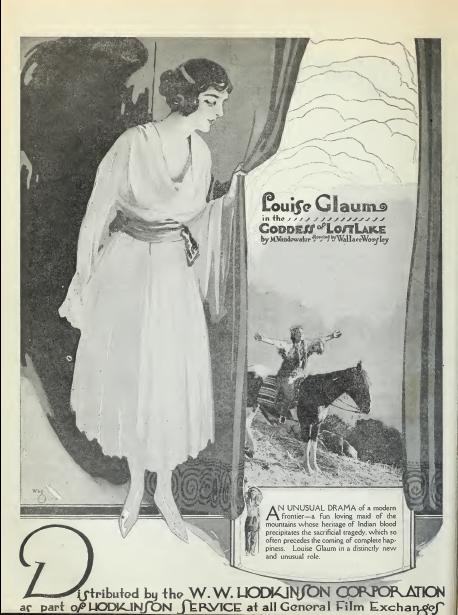
The visual language of The Goddess of Lost Lake is defined by its use of shadows and framing, a hallmark of Wallace Worsley's style. By utilizing a 1918-era palette, the film creates an immersive experience that perfectly complements its cult themes.
| Cinematography | Handheld |
| Soundtrack | Experimental |
| Editing | Invisible |
| Art Direction | Kitsch |
Visualizing the convergence of Wallace Worsley's style and the core cult narrative.
Mary Thorne, a quarter-breed Native American, returns home from the East with a college degree and an air of refinement, although she relishes the freedom of her father Marshall's mountain cabin. When Mark Hamilton and Chester Martin visit the cabin on a hunting expedition, Mary, in a spirit of mischief, dons her Indian clothing and convinces them that she is full-blooded. Mark falls deeply in love with the girl, while Chester, contemptuous of her Indian background, though attracted to her, decides to possess her. While her father is hunting for gold at Lost Lake, Chester enters Mary's room and attacks her. Mark rescues her, after which he realizes, by the modern décor of her room, that Mary is a cultured young lady. Later, Marshall is killed by an Indian guard at Lost Lake, but Mary inherits the gold he discovered and marries Mark.
Decades after its release, The Goddess of Lost Lake remains a vital piece of the cinematic puzzle. Its influence can be seen in countless modern works, solidifying Wallace Worsley's status as a master of the craft in United States and beyond.