
DbcultAccessing Vault...
Director's Spotlight
Senior Film Conservator
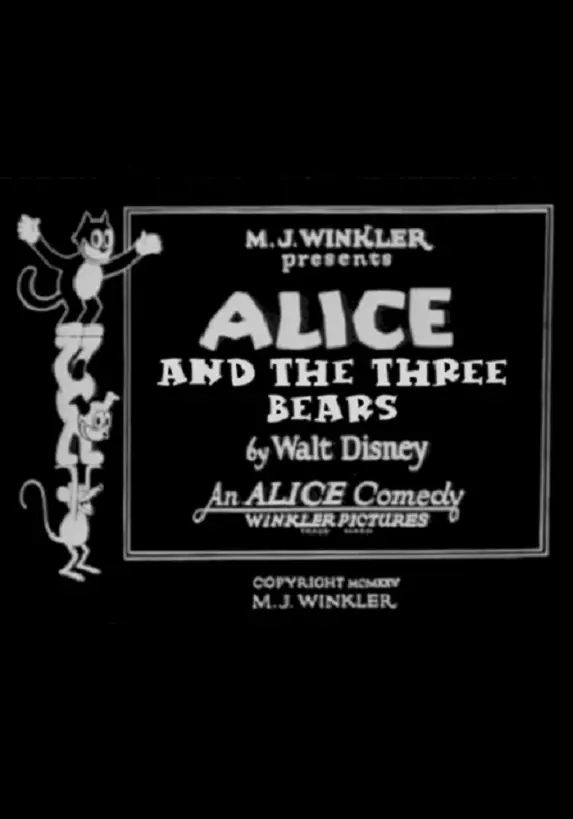
Director's Spotlight: United States
A Deep Dive into the 1924 Vision of Walt Disney
The thematic gravity of Alice and the Three Bears (1924) is rooted in the artistic risks taken by Walt Disney that eventually paid off. Defining a new era of United States artistic expression, it demands to be seen by anyone who cares about the art of film.
In Alice and the Three Bears, Walt Disney pushes the boundaries of conventional narrative. The film's unique approach to its subject matter has sparked endless debates and interpretations among cinephiles and critics alike.
To fully appreciate Alice and the Three Bears, one must consider the cinematic climate of 1924. During this period, United States was undergoing significant artistic shifts, and Walt Disney was at the forefront of this Short movement, often challenging established norms.
| Cinematography | Noir-Inspired |
| Soundtrack | Minimalist |
| Editing | Slow-Burn |
| Art Direction | Brutalist |
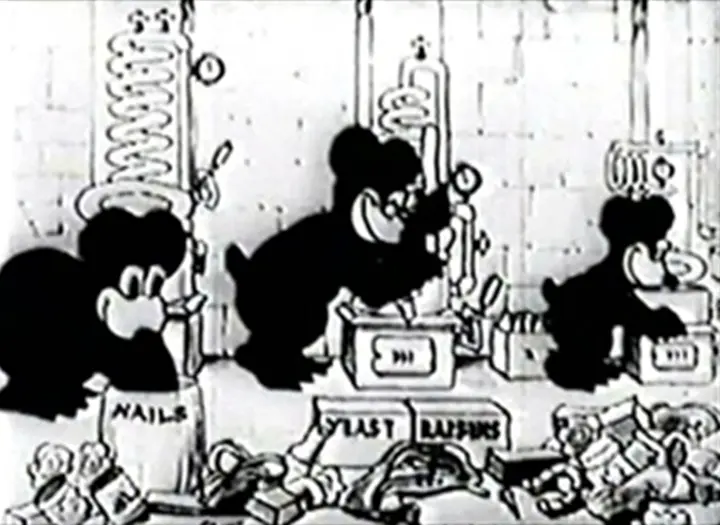
Visualizing the convergence of Walt Disney's style and the core Short narrative.
The Three Bears are busy cooking when Baby Bear realizes his recipe requires hops. Naturally his first inclination is to go find some frogs to provide for him his hops, so he runs off and pursues a frog at the local pond. In the meantime Alice and her cat stumble upon the Three Bears' house and sneak inside (Ma and Pa Bear are nowhere to be seen). Baby Bear returns and gets into a fight with the cat, and then calls in his parents to help out. The cat is defeated and the bears make off with Alice, who they throw in a sack and tie to a sawmill. When the cat revives, he calls in reinforcements: his nine lives, who take on the Three Bears and eventually lose. The cat gets another idea: he liquors up one of his nine lives, who is then able to take on all three bears at once. Pleased with himself, the cat hurries into the mill to rescue Alice, who proclaims him her hero.
Decades after its release, Alice and the Three Bears remains a vital piece of the cinematic puzzle. Its influence can be seen in countless modern works, solidifying Walt Disney's status as a master of the craft in United States and beyond.