
DbcultAccessing Vault...
Director's Spotlight
Senior Film Conservator
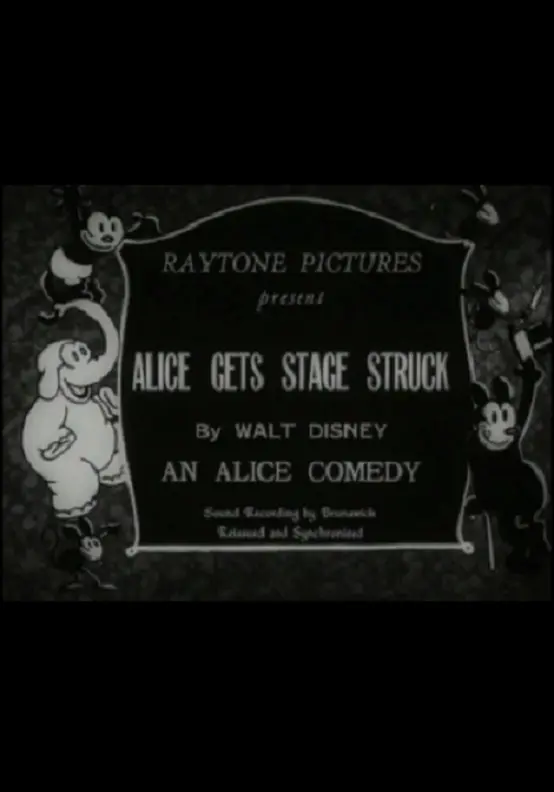
Director's Spotlight: United States
A Deep Dive into the 1925 Vision of Walt Disney
The artistic breakthrough represented by Alice Is Stage Struck in 1925 highlights the philosophical inquiries that Walt Disney embeds within the narrative. Framed by the hauntingly beautiful landscapes of the production, it leaves an indelible mark on the soul of the viewer.
In Alice Is Stage Struck, Walt Disney pushes the boundaries of conventional narrative. The film's unique approach to its subject matter has sparked endless debates and interpretations among cinephiles and critics alike.
| Cinematography | Noir-Inspired |
| Soundtrack | Diegetic |
| Editing | Elliptical |
| Art Direction | Expressionist |
Visualizing the convergence of Walt Disney's style and the core Animation narrative.
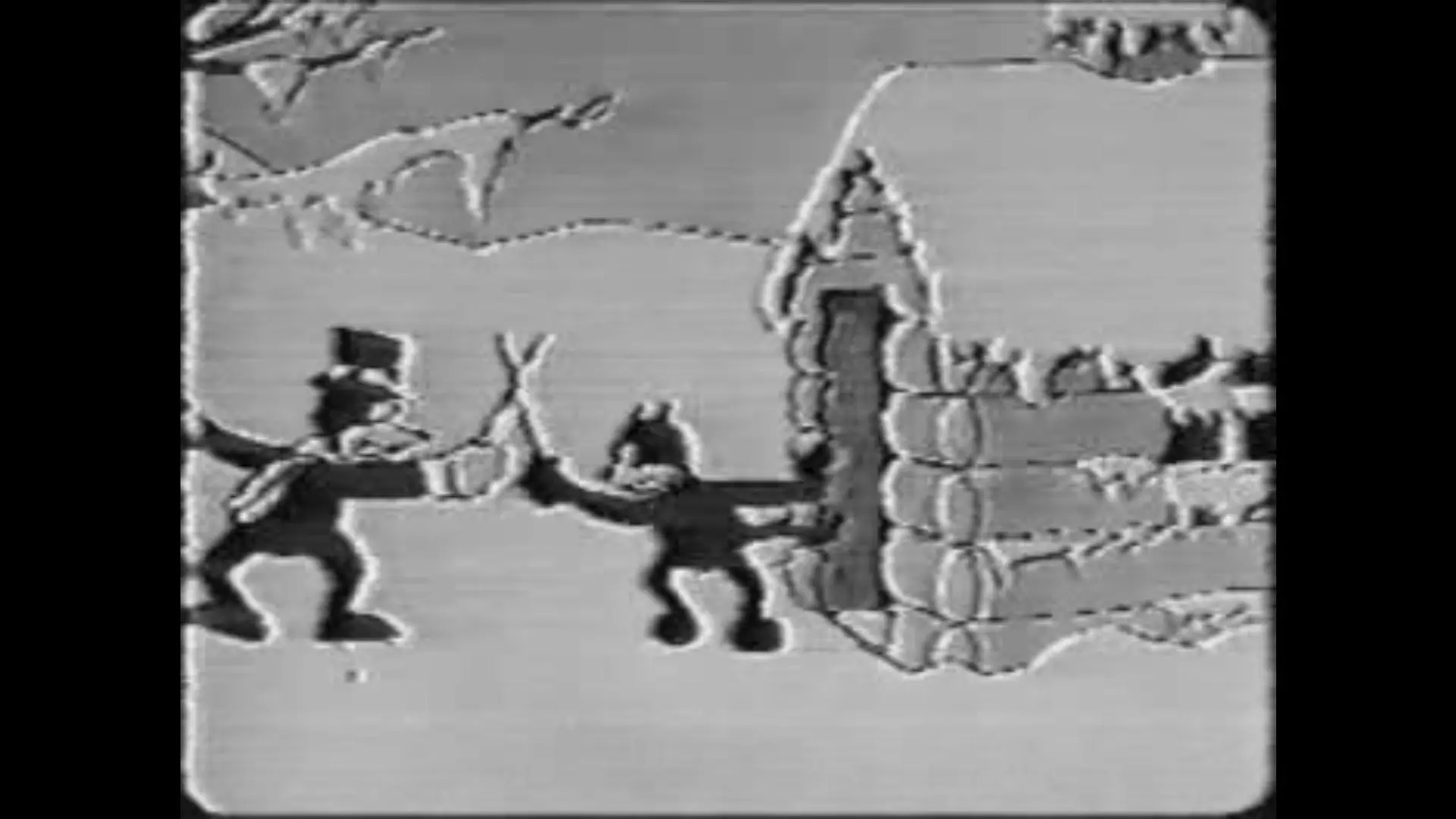
The neighborhood kids are putting on a production of Uncle Tom's Cabin. When the director demands more snow for a scene, he tries to shave the ice himself and accidentally drops it on Alice's head. She is knocked into a dream world where she and Julius the cat build a snowman and fire snowballs at targets. Unfortunately the landlord (a bear reminiscent of Simon Legree) happens by at this time and threatens to take away their cabin. Julius and the landlord end up dueling with icicles, and mayhem ensues, ending with Alice and Julius' cabin falling into a partially frozen river towards a waterfall.
Decades after its release, Alice Is Stage Struck remains a vital piece of the cinematic puzzle. Its influence can be seen in countless modern works, solidifying Walt Disney's status as a master of the craft in United States and beyond.