
DbcultAccessing Vault...
Director's Spotlight
Senior Film Conservator
Director's Spotlight: United States
A Deep Dive into the 1918 Vision of Walter Edwards
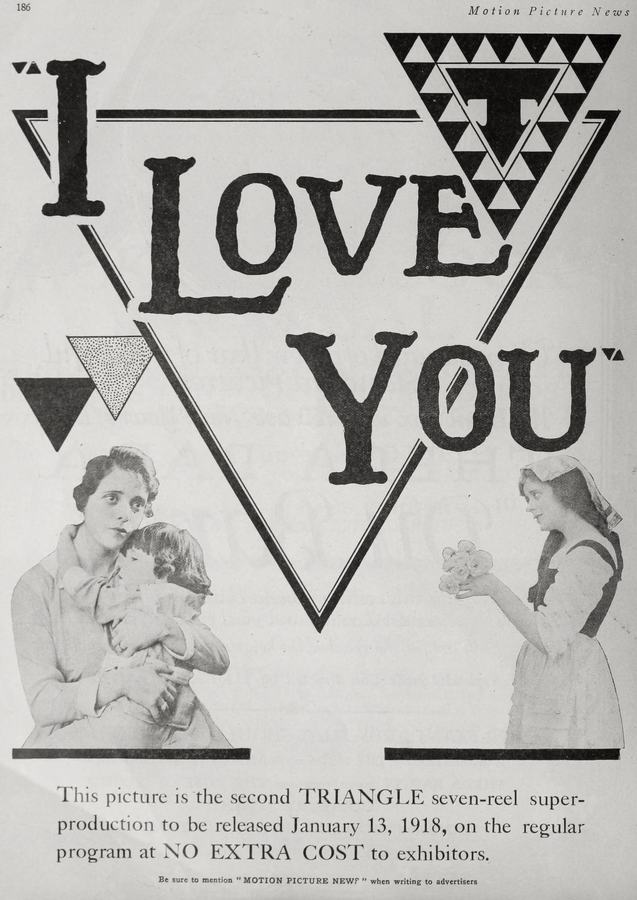
The enduring fascination with I Love You is a testament to the defining moment in cult history that Walter Edwards helped create. This film stands as a masterclass in visual storytelling, it has cemented its place in the global cult cinema archive.
In I Love You, Walter Edwards pushes the boundaries of conventional narrative. The film's unique approach to its subject matter has sparked endless debates and interpretations among cinephiles and critics alike.
While deeply rooted in United States, I Love You has achieved a global reach, influencing directors from various backgrounds. Its ability to translate cult tropes into a universal cinematic language is why it remains a cult staple decades after its 1918 release.
| Cinematography | Static |
| Soundtrack | Minimalist |
| Editing | Disjunctive |
| Art Direction | Baroque |
Visualizing the convergence of Walter Edwards's style and the core cult narrative.
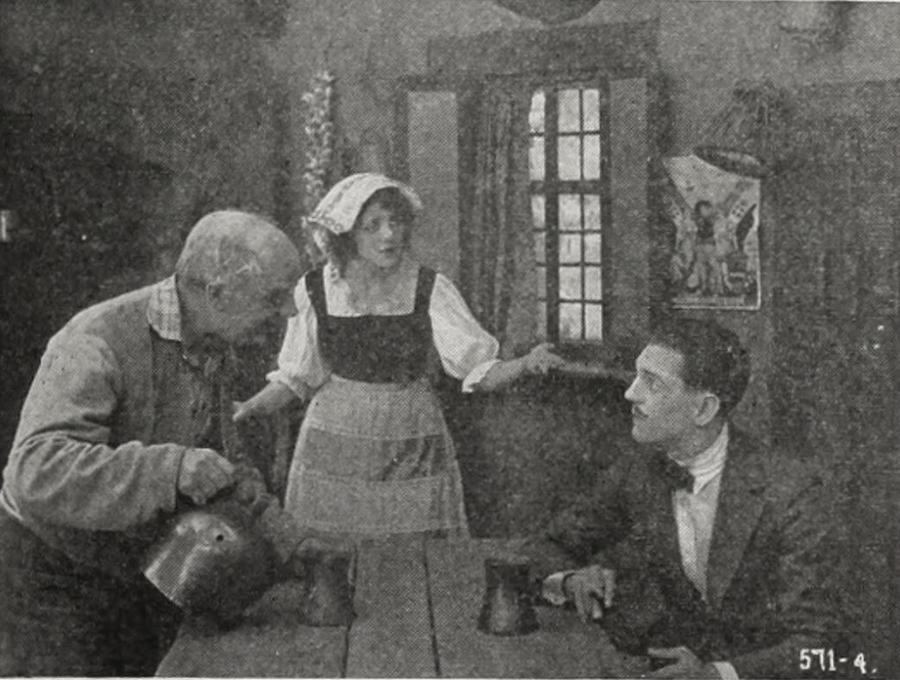
Felice, a peasant girl who lives near Florence, Italy, is so beautiful that the villagers call her the "Passion Flower." Jules Mardon, a French artist traveling in Italy for his health, paints Felice, winning her love in the process. Upon the portrait's completion, however, he abandons Felice and returns to Paris, where the painting earns him wealth and fame. Millionaire Armand de Gautier falls in love with Felice's image, buys the portrait, and then seeks out and marries the model. Several years after the birth of the happy couple's child, Armand commissions Jules to paint his wife and son, whereupon the artist again tries to seduce her. When Felice learns that Armand, assuming she has abandoned her plague-stricken child to be with Jules, wants no more to do with her, she kisses her son and then, with the disease on her lips, searches for Jules and kisses him. The artist dies, but Felice and her son survive to be reunited with Armand.
Decades after its release, I Love You remains a vital piece of the cinematic puzzle. Its influence can be seen in countless modern works, solidifying Walter Edwards's status as a master of the craft in United States and beyond.