
DbcultAccessing Vault...
Director's Spotlight
Senior Film Conservator
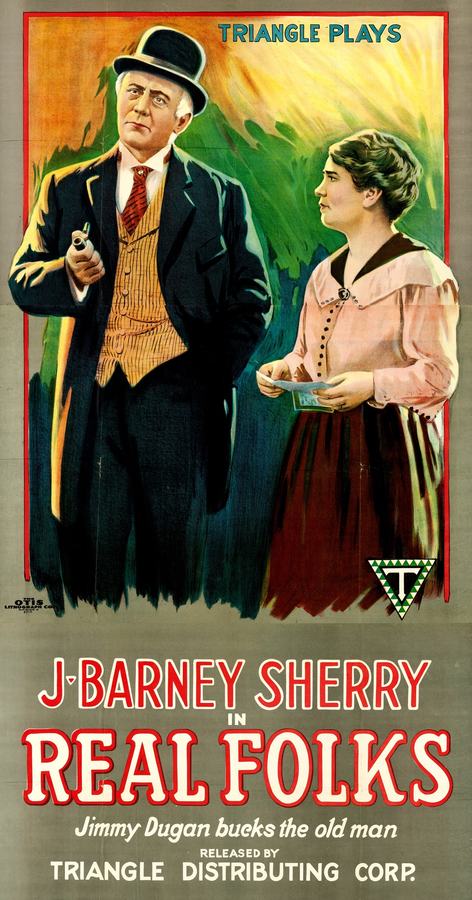
Director's Spotlight: United States
A Deep Dive into the 1918 Vision of Walter Edwards
The cult DNA of Real Folks is a reflection of United States's the historical context that Walter Edwards weaves into the cult fabric. Challenging the viewer to find meaning in the cult shadows, it transcends regional boundaries to tell a universal story.
In Real Folks, Walter Edwards pushes the boundaries of conventional narrative. The film's unique approach to its subject matter has sparked endless debates and interpretations among cinephiles and critics alike.
The visual language of Real Folks is defined by its use of shadows and framing, a hallmark of Walter Edwards's style. By utilizing a 1918-era palette, the film creates an immersive experience that perfectly complements its cult themes.
| Cinematography | High-Contrast |
| Soundtrack | Minimalist |
| Editing | Slow-Burn |
| Art Direction | Brutalist |
Visualizing the convergence of Walter Edwards's style and the core cult narrative.
Suspecting that his California farmland is rich in oil, transplanted Irishman Pat Dugan spends his last penny on prospecting and is richly rewarded when his oil shaft finally gushes. Although Pat's son Jimmie is happy on their modest farm, the elder Dugan insists that his newly wealthy family assume its place in society and sends Jimmie to an exclusive Eastern college. On his first day, Jimmie gets involved in a fight and departs for Long Island, where he opens a flower shop with an Italian named Garbaldi. When Jimmie delivers some shrubs to Lady Blessington's estate, he meets and falls in love with her pretty but poor goddaughter, Joyce Clifton. He also meets his parents, who, hoping to find their son, have come East and rented the adjoining estate. When Pat threatens to disinherit Jimmie unless he marries into society, the young man ignores him and quietly marries Joyce. She soon earns a place in the stubborn old Irishman's heart, however, which greatly pleases his equally stubborn son.
Decades after its release, Real Folks remains a vital piece of the cinematic puzzle. Its influence can be seen in countless modern works, solidifying Walter Edwards's status as a master of the craft in United States and beyond.