
DbcultAccessing Vault...
Director's Spotlight
Senior Film Conservator
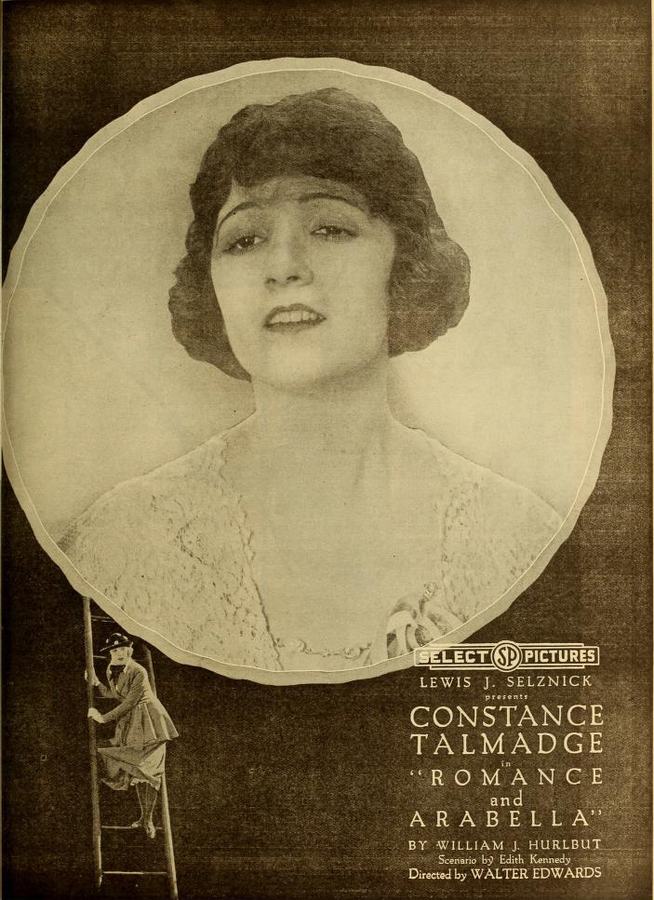
Director's Spotlight: United States
A Deep Dive into the 1919 Vision of Walter Edwards
The thematic gravity of Romance and Arabella (1919) is rooted in the artistic risks taken by Walter Edwards that eventually paid off. Defining a new era of United States artistic expression, it demands to be seen by anyone who cares about the art of film.
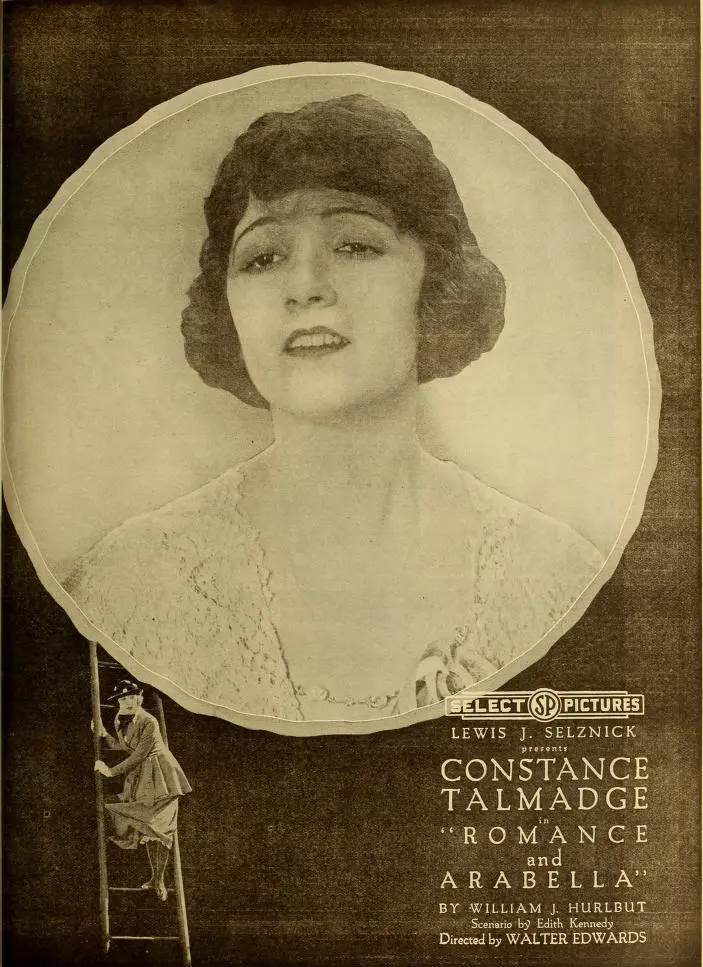
In Romance and Arabella, Walter Edwards pushes the boundaries of conventional narrative. The film's unique approach to its subject matter has sparked endless debates and interpretations among cinephiles and critics alike.
| Cinematography | High-Contrast |
| Soundtrack | Synth-Heavy |
| Editing | Disjunctive |
| Art Direction | Baroque |
Visualizing the convergence of Walter Edwards's style and the core cult narrative.
Arabella Cadenhouse, a young widow, decides that her second husband must provide her with the romance that was lacking in her first marriage. She is wooed by Harry Atteridge, an unconventional westerner, until her neighbor Bill, who has loved Arabella since childhood, produces a series of counter-irritants, including Claude Estabrook, a faddist disciple of free love, Peter Harper, a callow youth and Doctor Henry, an absent-minded scientist. Each time Arabella shows signs of becoming too interested in another man, Bill produces another counter-irritant. One by one Arabella's illusions of romance are shattered, until she finally turns to her childhood friend and accepts Bill's offer of marriage.
Decades after its release, Romance and Arabella remains a vital piece of the cinematic puzzle. Its influence can be seen in countless modern works, solidifying Walter Edwards's status as a master of the craft in United States and beyond.