
DbcultAccessing Vault...
Director's Spotlight
Senior Film Conservator
Director's Spotlight: United States
A Deep Dive into the 1918 Vision of Walter Edwards
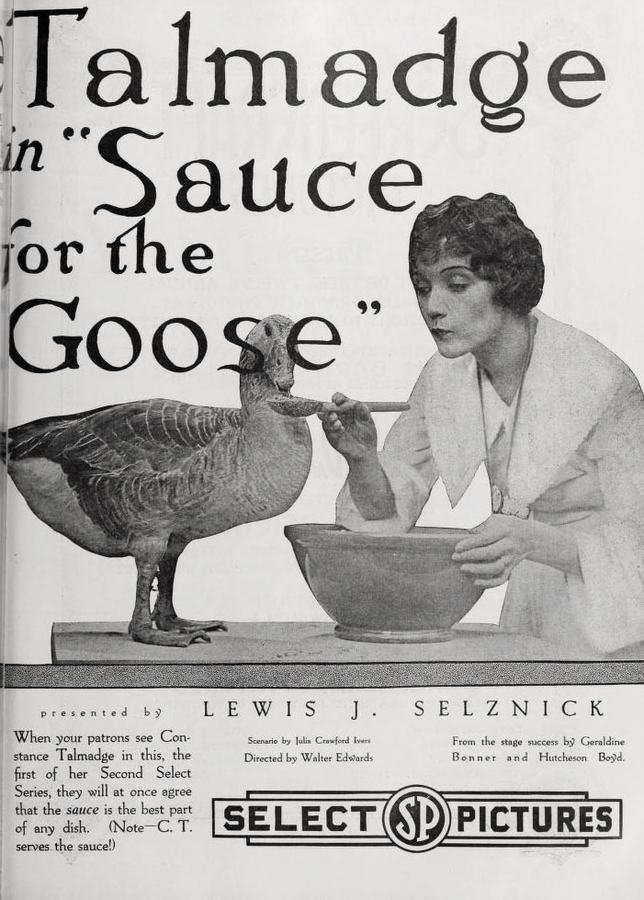
As we revisit the 1918 masterpiece Sauce for the Goose, we are struck by the meticulous attention to detail that Walter Edwards applied to every frame. Anchored by a narrative that is both personal and universal, it bridges the gap between traditional cult and contemporary vision.
In Sauce for the Goose, Walter Edwards pushes the boundaries of conventional narrative. The film's unique approach to its subject matter has sparked endless debates and interpretations among cinephiles and critics alike.
To fully appreciate Sauce for the Goose, one must consider the cinematic climate of 1918. During this period, United States was undergoing significant artistic shifts, and Walter Edwards was at the forefront of this cult movement, often challenging established norms.
| Cinematography | Noir-Inspired |
| Soundtrack | Minimalist |
| Editing | Disjunctive |
| Art Direction | Baroque |
Visualizing the convergence of Walter Edwards's style and the core cult narrative.
John Constable, a writer, falls prey to the designs of scheming widow Margaret Alloway to the dismay of his young wife Kitty. Feigning interest in John's work, the widow offers to collaborate on his new book, Women's Struggles, but when she convinces him to dine with her on Kitty's birthday, the neglected wife decides to retaliate. After attending the opera with handsome bachelor Harry Travers, Kitty accepts an invitation to share supper in his rooms, leaving a note for her husband. Aware of Harry's questionable reputation with women, John panics, but by the time he arrives at Harry's apartment, Kitty has disappeared. Following a series of incidents in which the widow, her suitor Teddy Sylvester, Travers, and the Constables are discovered in compromising situations that actually are innocent, John realizes that he far prefers Kitty to the widow and again becomes a loving husband.
Decades after its release, Sauce for the Goose remains a vital piece of the cinematic puzzle. Its influence can be seen in countless modern works, solidifying Walter Edwards's status as a master of the craft in United States and beyond.