
DbcultAccessing Vault...
Director's Spotlight
Senior Film Conservator
Director's Spotlight: United States
A Deep Dive into the 1918 Vision of Walter Edwards
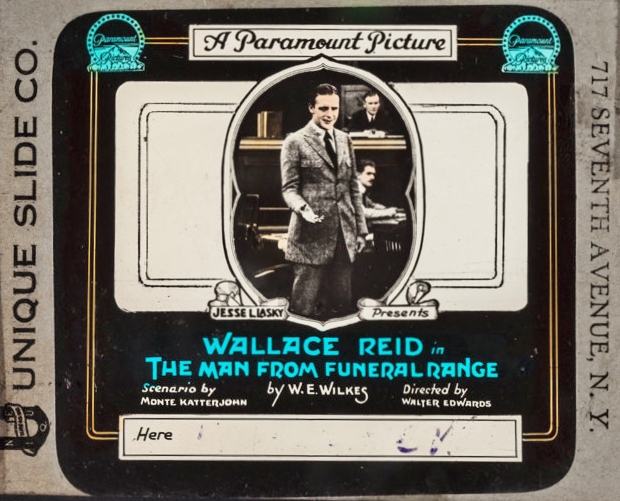
Deciphering the layers of The Man from Funeral Range (1918) reveals a monumental shift in cult filmmaking spearheaded by Walter Edwards. With its avant-garde structure and atmospheric tension, offering layers of thematic complexity that demand repeated viewing.
In The Man from Funeral Range, Walter Edwards pushes the boundaries of conventional narrative. The film's unique approach to its subject matter has sparked endless debates and interpretations among cinephiles and critics alike.
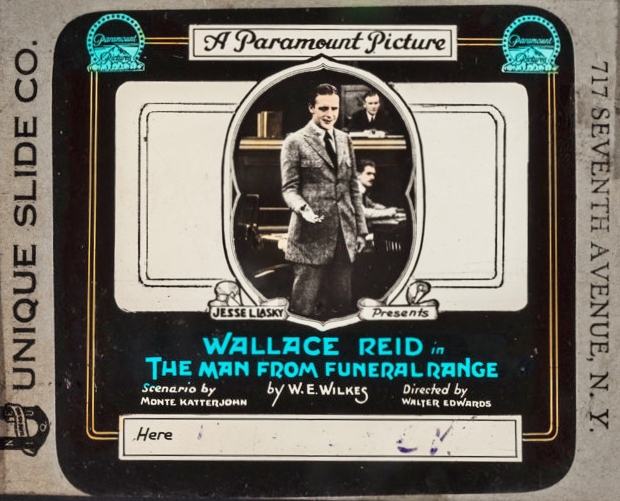
While deeply rooted in United States, The Man from Funeral Range has achieved a global reach, influencing directors from various backgrounds. Its ability to translate cult tropes into a universal cinematic language is why it remains a cult staple decades after its 1918 release.
| Cinematography | Static |
| Soundtrack | Synth-Heavy |
| Editing | Disjunctive |
| Art Direction | Baroque |
Visualizing the convergence of Walter Edwards's style and the core cult narrative.
When prospector Harry Webb returns to town from the Funeral Range, he falls in love with cabaret singer Janice Williams. Mark Brenton, an unscrupulous lawyer, lures Janice to his room but is shot by his jealous former sweetheart Dixie. Harry, rushing into the room, believes that Janice is guilty and assumes the blame in order to shield her. During the trial, Brenton's partner, Frank Beekman, holds Janice prisoner to prevent her from testifying; consequently, Harry is convicted and sentenced to death. En route to prison, Harry escapes into the desert, and some time later, he returns to town to sell one of his mines to Freddie Leighton. Despite Harry's disguise, Beekman recognizes him, and when they fight, a gun is discharged, mortally wounding Dixie who has been standing behind a screen. Before her death, she confesses that she killed Brenton, which clears Harry's name and allows him finally to marry Janice.
Decades after its release, The Man from Funeral Range remains a vital piece of the cinematic puzzle. Its influence can be seen in countless modern works, solidifying Walter Edwards's status as a master of the craft in United States and beyond.