
DbcultAccessing Vault...
Director's Spotlight
Senior Film Conservator
Director's Spotlight: United States
A Deep Dive into the 1918 Vision of Walter Edwards
The thematic gravity of Viviette (1918) is rooted in the artistic risks taken by Walter Edwards that eventually paid off. Defining a new era of United States artistic expression, it demands to be seen by anyone who cares about the art of film.
In Viviette, Walter Edwards pushes the boundaries of conventional narrative. The film's unique approach to its subject matter has sparked endless debates and interpretations among cinephiles and critics alike.
| Cinematography | Static |
| Soundtrack | Experimental |
| Editing | Elliptical |
| Art Direction | Expressionist |
Visualizing the convergence of Walter Edwards's style and the core cult narrative.
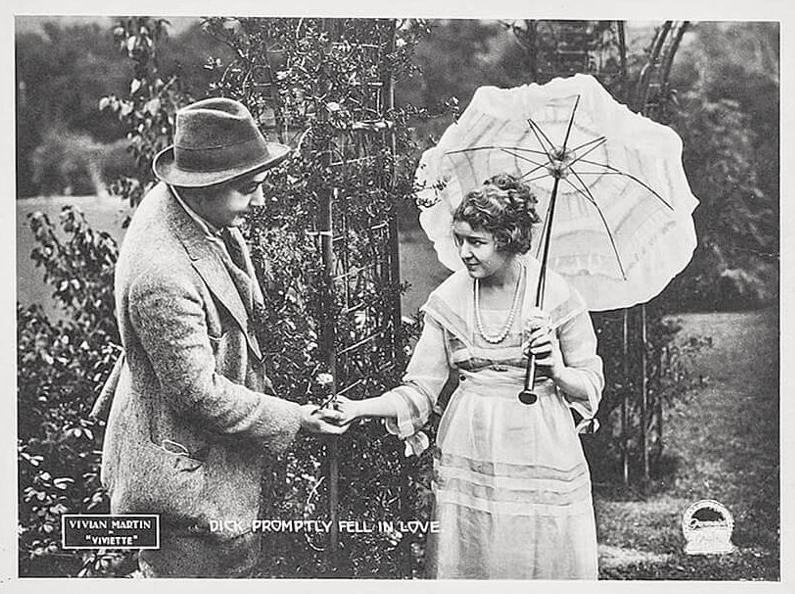
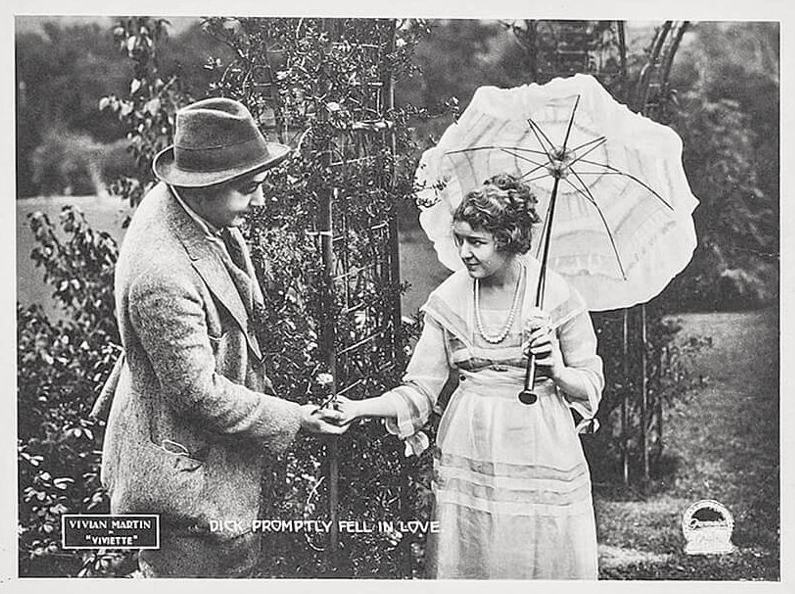
Viviette, the impulsive, coquettish adopted daughter of wealthy Englishwoman Mrs. Ware, completes her education and returns to her mother's country estate. Young Dick Ware, who is as impulsive as Viviette, falls passionately in love with her, and although she is attracted to him, his lack of ambition causes her to conceal her affections. When Dick's sober, successful brother Austin takes leave from his London law practice to visit his family, Viviette befriends him, and the two secretly make plans to secure Dick a position in Vancouver. Although Austin loves Kathryn Holroyd, Dick believes that Austin is in love with Viviette, so when the latter jokingly suggests that the brothers fight a duel over her, Dick takes the idea seriously. He nearly kills Austin, whereupon Viviette, realizing the gravity of the situation, offers to accompany Dick to Vancouver as his wife.
Decades after its release, Viviette remains a vital piece of the cinematic puzzle. Its influence can be seen in countless modern works, solidifying Walter Edwards's status as a master of the craft in United States and beyond.