
DbcultAccessing Vault...
Director's Spotlight
Senior Film Conservator
Director's Spotlight: United States
A Deep Dive into the 1915 Vision of Walter Edwin
To understand the modern evolution of United States film, one must first look at The Danger Signal and the collaborative alchemy between Walter Edwin and the 1915 creative team. Subverting the expectations of the typical 1915 audience, it remains a vital reference point for anyone studying the evolution of Walter Edwin.
In The Danger Signal, Walter Edwin pushes the boundaries of conventional narrative. The film's unique approach to its subject matter has sparked endless debates and interpretations among cinephiles and critics alike.
| Cinematography | Deep Focus |
| Soundtrack | Minimalist |
| Editing | Slow-Burn |
| Art Direction | Brutalist |
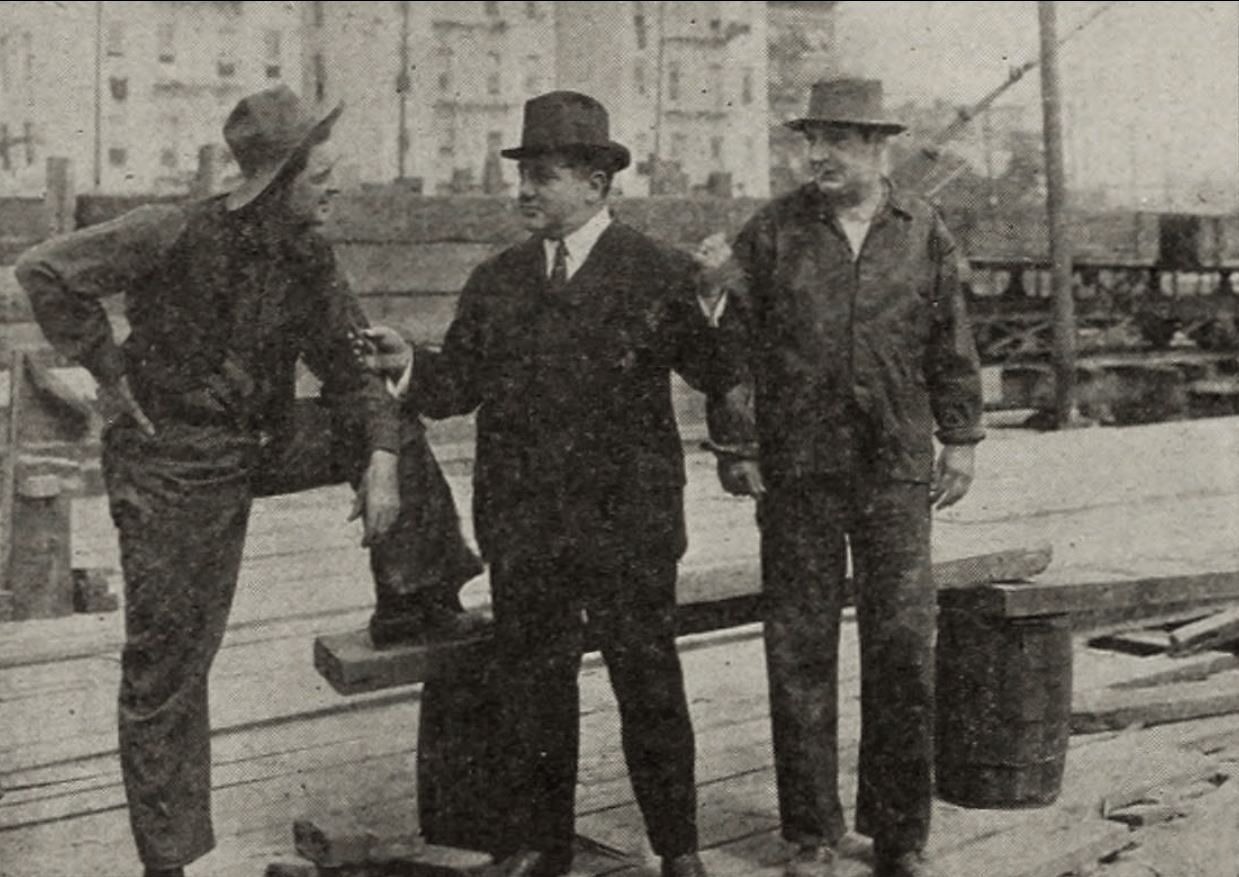
Visualizing the convergence of Walter Edwin's style and the core cult narrative.
Danny Canavan, the big son of a tough Irish-American blacksmith, is actually not as tough as he looks--he's constantly abused by his wife, his scornful father and his father's employees. One day he is run over by a carriage owned by Rodman Cadbury, the president of an insurance company. Unable to work as a blacksmith anymore--something his wife constantly throws in his face--he gets a job on the subway as a flagman warning traffic of upcoming dynamite blasts. As menial as the job seems at first, it actually begins to change Danny's life.
Decades after its release, The Danger Signal remains a vital piece of the cinematic puzzle. Its influence can be seen in countless modern works, solidifying Walter Edwin's status as a master of the craft in United States and beyond.