
DbcultAccessing Vault...
Director's Spotlight
Senior Film Conservator
Director's Spotlight: United States
A Deep Dive into the 1915 Vision of Walter Edwin
To understand the modern evolution of United States film, one must first look at The Green Cloak and the collaborative alchemy between Walter Edwin and the 1915 creative team. Subverting the expectations of the typical 1915 audience, it remains a vital reference point for anyone studying the evolution of Walter Edwin.
In The Green Cloak, Walter Edwin pushes the boundaries of conventional narrative. The film's unique approach to its subject matter has sparked endless debates and interpretations among cinephiles and critics alike.
| Cinematography | High-Contrast |
| Soundtrack | Minimalist |
| Editing | Disjunctive |
| Art Direction | Baroque |
Visualizing the convergence of Walter Edwin's style and the core cult narrative.
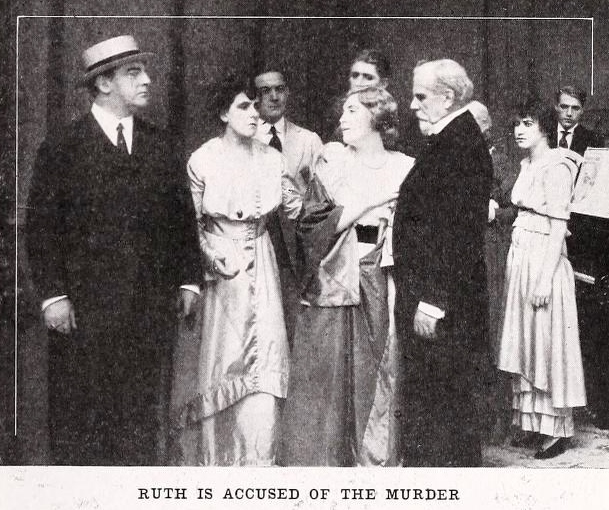
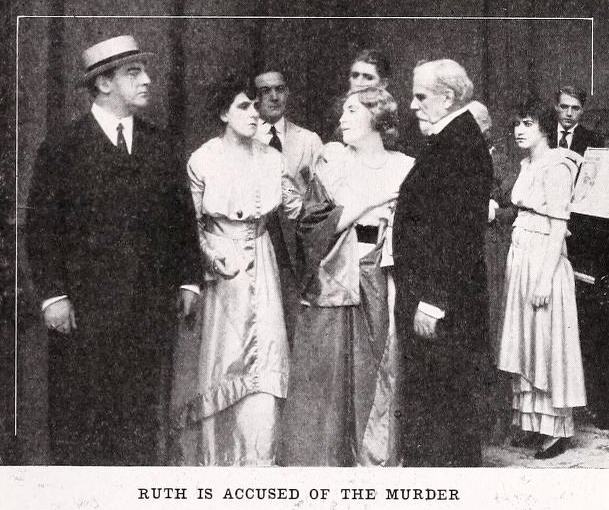
Upon Ruth McAllister's return with her father from a Western trip, John Gilbert calls to renew his attentions. He immediately notices a change in her and is greatly pained when she refuses him, not because she does not care for him but for reasons that she will not divulge. A stranger, in the meantime, calls, and rushing past the maid, stops breathlessly in the presence of Ruth and Gilbert. Astonished at the intrusion, Gilbert is more amazed when Ruth, seeing the intruder, faints. Asked to explain, the stranger tells Gilbert to ask Ruth. Regaining her composure, the stranger tells Ruth that he will not leave until he has had a talk with her, whereupon Gilbert, furious, is about to attack him as Professor McAllister enters. To Gilbert's surprise, Ruth introduces the stranger as Mr. Gerald, a friend whom she met while traveling and then excuses herself while the men chat about things in general. Upon the entrance of Wilkins, the butler, Gilbert is quick to discern the expression of fear that comes over the countenance of the stranger as a half smile curves the servant's lips, who, after making an unimportant announcement, retires. Then, with the excuse that some very important letters require his immediate attention, Gerald announces his intention to go, but the Professor, now suspicious, insists that he use his library for his correspondence. Alone in the library, Ruth enters and upbraids Gerald for coming to the house. He tells her that his life is in danger and begs her to help him escape. This she promises and leaves to call a taxicab. Dinner is announced and the Professor, opening the library door to call Gerald, is shocked to find him dead, and a green silken tassel, similar to those which adorn Ruth's cloak, clasped in his hand. Shortly after the arrival of the police, Ruth returns in the taxicab and entering the house, utters a shriek of laughter, not hysterical, but a laugh of savage joy, as she beholds the dead man. Questioned as to the man's identity, Ruth at first refuses to answer but finally admits that she had married him while in the West. With a strong case of circumstantial evidence against her, she is arrested and taken to headquarters, where she is held for trial on a charge of murder. Who Gerald really was and how the tangled skeins of destiny were finally unraveled make a charming, convincing and intensely interesting mystery story.
Decades after its release, The Green Cloak remains a vital piece of the cinematic puzzle. Its influence can be seen in countless modern works, solidifying Walter Edwin's status as a master of the craft in United States and beyond.