
DbcultAccessing Vault...
Director's Spotlight
Senior Film Conservator
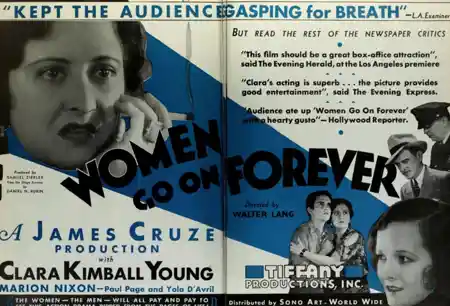
Director's Spotlight: United States
A Deep Dive into the 1931 Vision of Walter Lang
Deciphering the layers of Women Go on Forever (1931) reveals the complex thematic architecture established by Walter Lang. Utilizing a 1931-specific aesthetic that remains timeless, it stands as the definitive 1931 statement on Drama identity.
In Women Go on Forever, Walter Lang pushes the boundaries of conventional narrative. The film's unique approach to its subject matter has sparked endless debates and interpretations among cinephiles and critics alike.
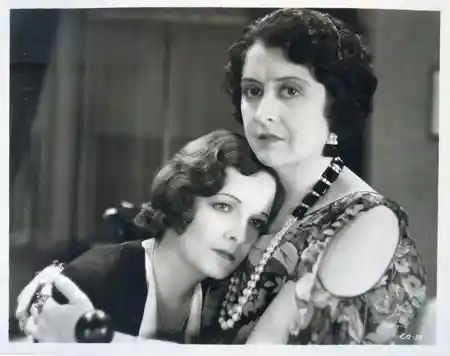
In this work, Walter Lang explores the intersection of Drama and United States cultural identity. The meticulous attention to detail suggests a deep-seated commitment to pushing the boundaries of the medium, ensuring that Women Go on Forever remains a relevant topic of study for Drama enthusiasts.
| Cinematography | Noir-Inspired |
| Soundtrack | Synth-Heavy |
| Editing | Rhythmic |
| Art Direction | Naturalist |
Visualizing the convergence of Walter Lang's style and the core Drama narrative.
Daisy Bowman runs a boarding house in New York City and becomes romantically involved with new boarder Jake. Among the other boarders are shopgirl Betty and her taxi-driver fiance Eddie. Eddie is framed for murder by a gangster and sent to prison. He keeps the fact of his arrest secret from Betty, who believes he has left her. Jake makes a play for Betty, which makes Daisy jealous. Jake and Daisy quarrel and he is about to strangle her when her young blind son shoots and kills him. Pete, another gangster, gets Betty drunk. He wants to spend the night with her and, when Daisy tries to prevent him, he threatens to tell the police who really killed Jake. Meanwhile, Eddie has been released from jail, and when he returns to find Betty drunk with Pete, he is disgusted. Jake's brother, thinking that Eddie murdered Jake, tries to shoot him, but Daisy tells him that Pete killed his brother. The brother kills Pete, then dies shortly afterward of a wound inflicted by Pete. With her son in the clear, Daisy helps Eddie and Betty reunite.
Decades after its release, Women Go on Forever remains a vital piece of the cinematic puzzle. Its influence can be seen in countless modern works, solidifying Walter Lang's status as a master of the craft in United States and beyond.