
DbcultAccessing Vault...
Director's Spotlight
Senior Film Conservator
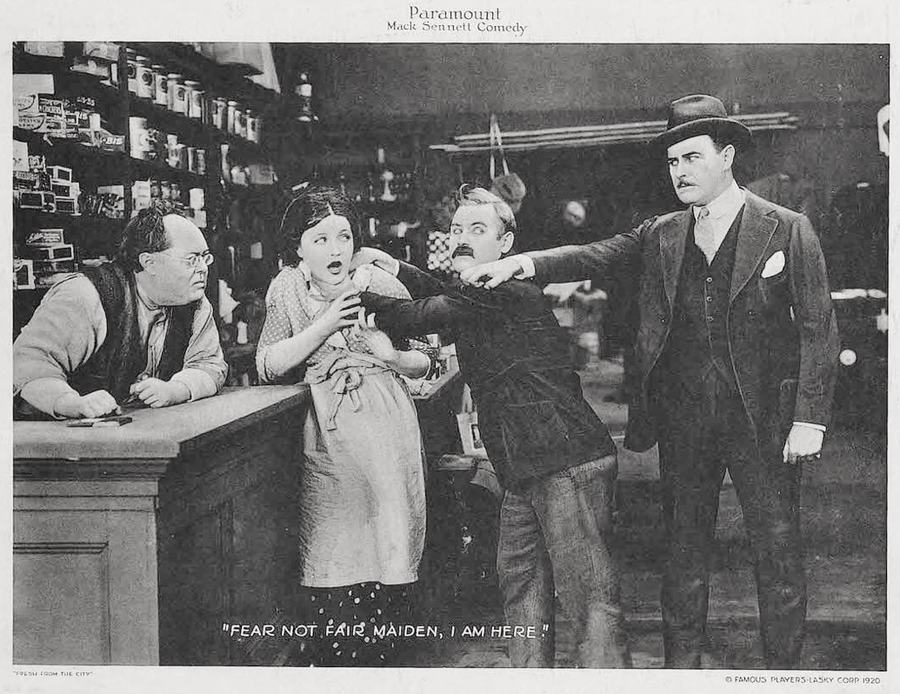
Director's Spotlight: United States
A Deep Dive into the 1920 Vision of Walter Wright
The enduring fascination with Fresh from the City is a testament to the artistic risks taken by Walter Wright that eventually paid off. Challenging the viewer to find meaning in the Short shadows, it reminds us of the fragility and beauty of the 1920s.
In Fresh from the City, Walter Wright pushes the boundaries of conventional narrative. The film's unique approach to its subject matter has sparked endless debates and interpretations among cinephiles and critics alike.
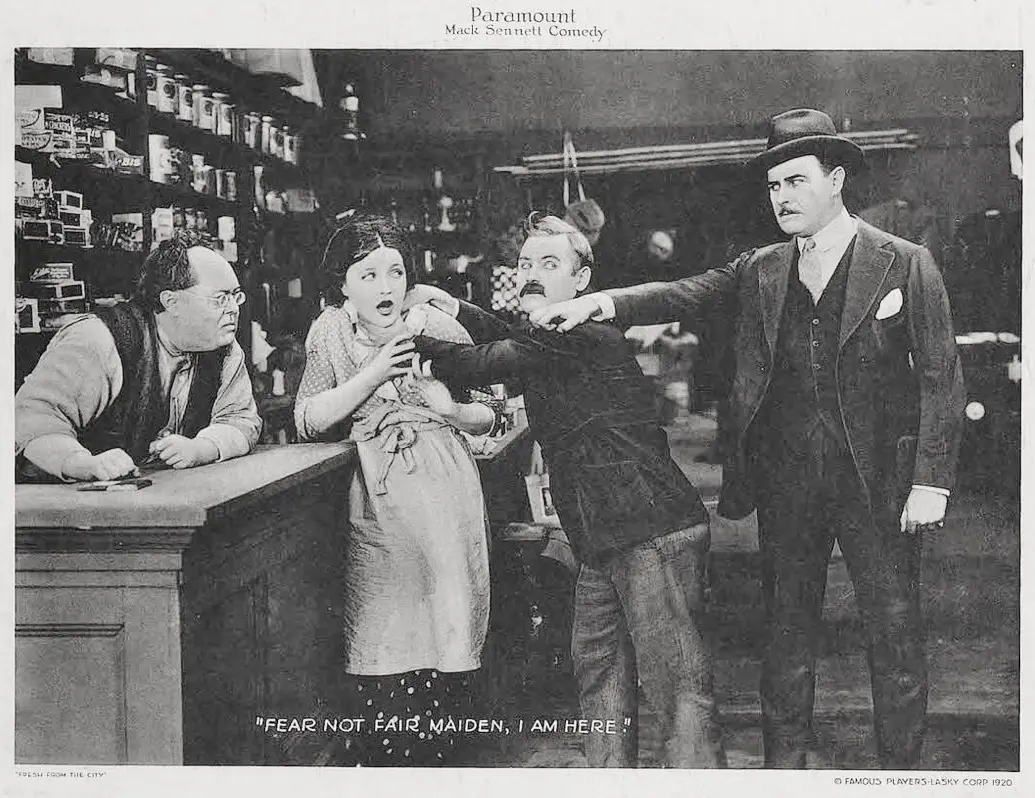
To fully appreciate Fresh from the City, one must consider the cinematic climate of 1920. During this period, United States was undergoing significant artistic shifts, and Walter Wright was at the forefront of this Short movement, often challenging established norms.
| Cinematography | Handheld |
| Soundtrack | Diegetic |
| Editing | Rhythmic |
| Art Direction | Naturalist |
Visualizing the convergence of Walter Wright's style and the core Short narrative.
The daughter of a restaurant keeper is wooed by a city guy. The lifting of the mortgage and the introduction of a cabaret places the restaurant on a paying basis. Not satisfied with what he has got, the old man gets up a scheme to sell some land on the strength of an oil deposit and proceeds to pour kerosene into a pool. The trick is later turned on himself when the city guy fakes a gusher, and the old man buys back at a price that ruins him.
Decades after its release, Fresh from the City remains a vital piece of the cinematic puzzle. Its influence can be seen in countless modern works, solidifying Walter Wright's status as a master of the craft in United States and beyond.