
DbcultAccessing Vault...
Director's Spotlight
Senior Film Conservator
Director's Spotlight: United States
A Deep Dive into the 1920 Vision of Walter Wright
As we revisit the 1920 masterpiece Love's Protegé, we are struck by the meticulous attention to detail that Walter Wright applied to every frame. Anchored by a narrative that is both personal and universal, it bridges the gap between traditional Drama and contemporary vision.
In Love's Protegé, Walter Wright pushes the boundaries of conventional narrative. The film's unique approach to its subject matter has sparked endless debates and interpretations among cinephiles and critics alike.
| Cinematography | Noir-Inspired |
| Soundtrack | Diegetic |
| Editing | Rhythmic |
| Art Direction | Naturalist |
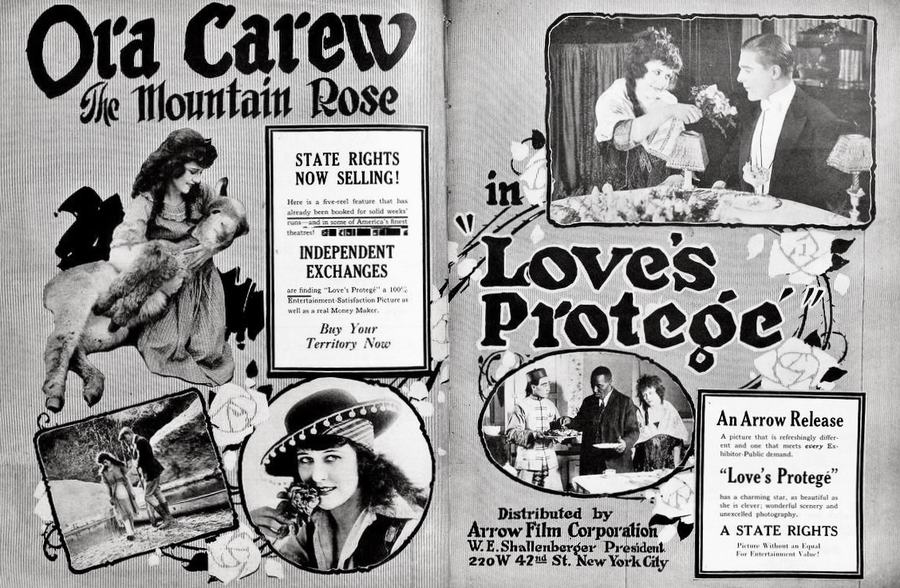
Visualizing the convergence of Walter Wright's style and the core Drama narrative.
While hunting in the mountains, Larry Armond rescues Ruth, a mountain girl who lives with her guardian, a religious recluse. After her guardian dies, Ruth, who has fallen in love with Larry, goes with her donkey in search of him and by chance comes to his summer retreat in the foothills. Her manners are ridiculed by Larry's house guests and her presence causes an embarrassing situation between Larry's friend Jack Keith and Jack's fiancée's family, the Colemans. After she is taken into the home of the Colemans, Ruth leaves to go back to the mountains because they are unfriendly to her. When it is learned that Ruth is really J. W. Coleman's daughter who was kidnapped fifteen years earlier in revenge for a supposed injustice, she is brought back and lovingly accepted into the family.
Decades after its release, Love's Protegé remains a vital piece of the cinematic puzzle. Its influence can be seen in countless modern works, solidifying Walter Wright's status as a master of the craft in United States and beyond.