
DbcultAccessing Vault...
Director's Spotlight
Senior Film Conservator
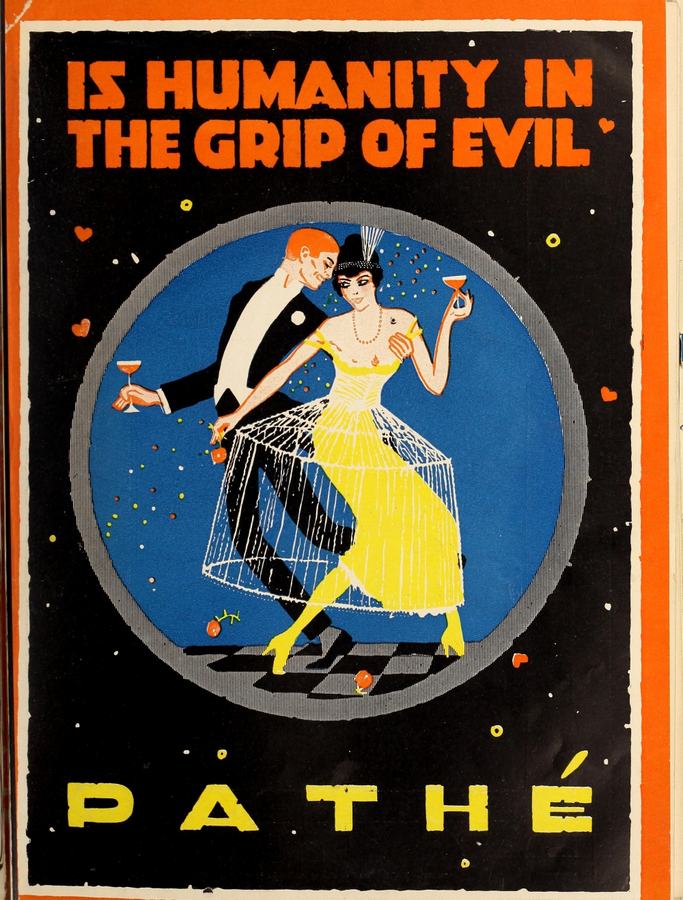
Director's Spotlight: United States
A Deep Dive into the 1916 Vision of W.A.S. Douglas
Exploring the cult underpinnings of The Grip of Evil leads us to the stylistic boundaries pushed by W.A.S. Douglas during the production. Through a lens of existential fatalism and cult tropes, it continues to spark endless debates among critics and cinephiles alike.
In The Grip of Evil, W.A.S. Douglas pushes the boundaries of conventional narrative. The film's unique approach to its subject matter has sparked endless debates and interpretations among cinephiles and critics alike.
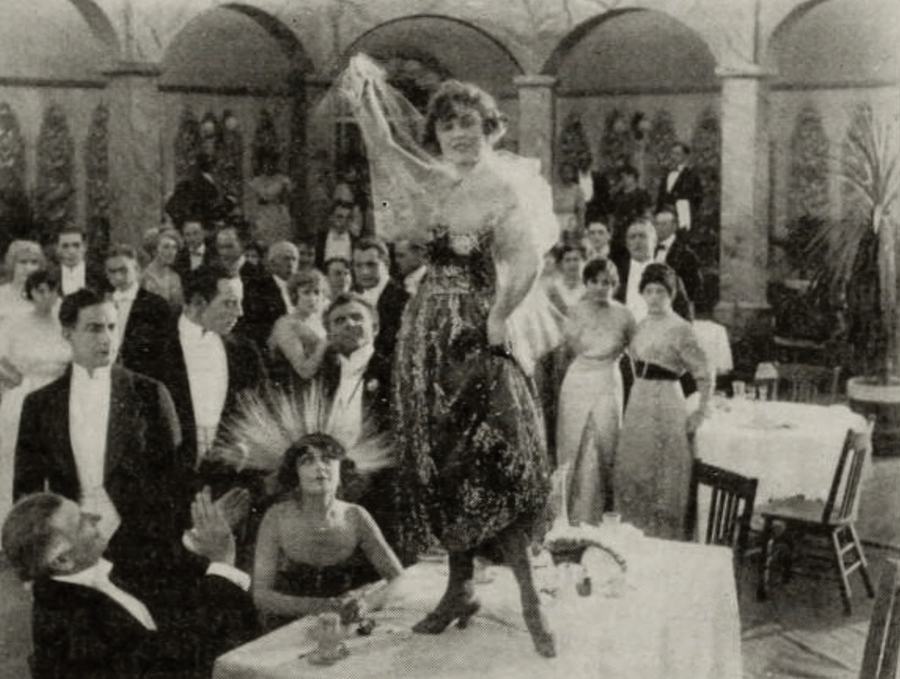
While deeply rooted in United States, The Grip of Evil has achieved a global reach, influencing directors from various backgrounds. Its ability to translate cult tropes into a universal cinematic language is why it remains a cult staple decades after its 1916 release.
| Cinematography | High-Contrast |
| Soundtrack | Minimalist |
| Editing | Slow-Burn |
| Art Direction | Brutalist |
Visualizing the convergence of W.A.S. Douglas's style and the core cult narrative.
Episode 1: "Fate" This episode tells of an English nobleman banished from home because of his attachment to a girl "not of his class." He marries the girl, comes to America with her, and a child, John Burton, subsequently the hero of each chapter of this serial, is born to them. John grows up, a poor man, working in the steel mills, his only heritage that of "good blood" and its consequent effect on his mental attitude, which, instead of being inert as that of his fellows, is keen and questioning. He is in a way a crude philosopher, seeking answers rather than giving them. He is a leader among his fellows, and persuades them to strike for more money. Mary Temple, his employer's daughter, has been promised a diamond necklace by her father, who now tells her that because of labor conditions, she will have to forgo her present. And Mary thinks of the possible effect of her charm of John, with whom she has a slight acquaintance. She goes to him, and "in the name of suffering humanity," persuades him to send the strikers back to work. John later discovers her selfish motive, is repudiated by his fellow workers, and is about to end it all when he finds he is heir to a title and $10,000,000 and decides to spend his life in an attempt to solve the question "Is Humanity in the Grip of Evil?"
Decades after its release, The Grip of Evil remains a vital piece of the cinematic puzzle. Its influence can be seen in countless modern works, solidifying W.A.S. Douglas's status as a master of the craft in United States and beyond.