
DbcultAccessing Vault...
Director's Spotlight
Senior Film Conservator
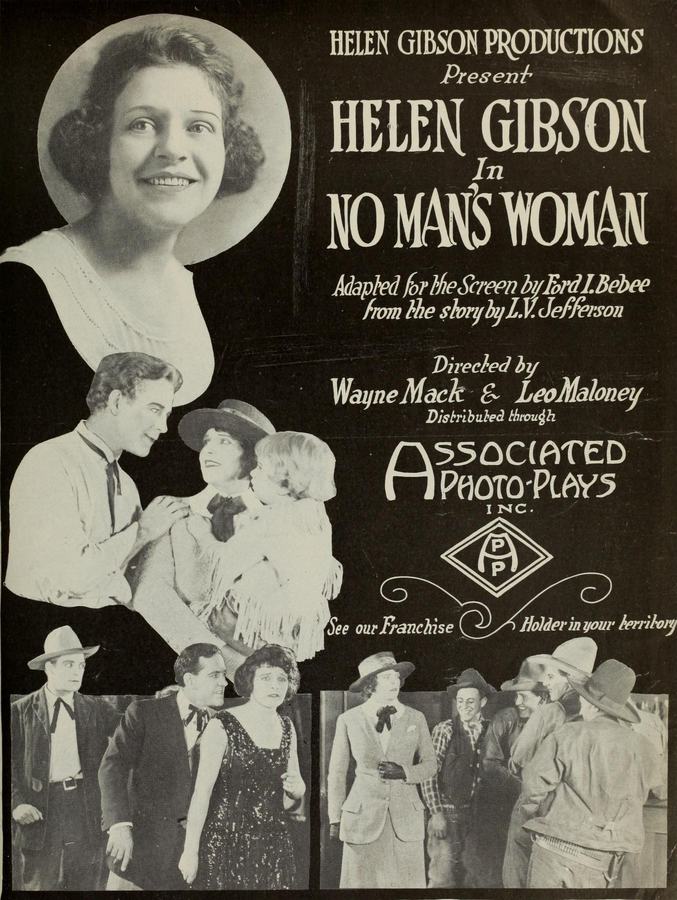
Director's Spotlight: United States
A Deep Dive into the 1921 Vision of Wayne Mack
In the storied career of Wayne Mack, No Man's Woman stands as a the atmospheric immersion that Wayne Mack achieves throughout No Man's Woman. Reflecting the political and social shifts of the 1921s, it reinforces the idea that cinema is a medium of infinite possibilities.
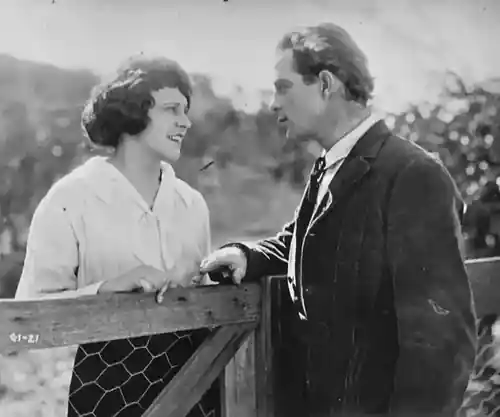
In No Man's Woman, Wayne Mack pushes the boundaries of conventional narrative. The film's unique approach to its subject matter has sparked endless debates and interpretations among cinephiles and critics alike.
| Cinematography | High-Contrast |
| Soundtrack | Orchestral |
| Editing | Slow-Burn |
| Art Direction | Brutalist |
Visualizing the convergence of Wayne Mack's style and the core Drama narrative.
On his return from an adventure in the gold fields, a young Westerner returns to his home only to learn that his wife and child had been taken away by a gambler named Cullen. He vows to seek revenge and starts out in search for them. In his search he meets a dance hall belle, touted 'no man's woman.' Meanwhile Cullen has deserted the girl and child. The dance hall belle, while trying to save another neighbor's child, finds herself nursing the wronged woman. The wanderer reaches the home, but the wronged woman recognizing him, tells the dancer her story and then dies. The dancer takes the child to her home, and she loses the respect of her friends. The wanderer arrives at the saloon just in time to save her from Cullen, but ridicules her on learning that she is a dance hall performer. Cullen is persistent in his wooing, appeals to the wanderer with whom she has fallen in love fail. In a final effort the girl brings the child to the saloon so that she might win him. The child on seeing Cullen rushes to him and calls him 'Daddy Cullen.' The wanderer realizing he has finally met his man proceeds to punish him. A bystander who had a grudge against Cullen shoots him. Realizing that the dance hall girl had been a good mother to his child, the wanderer decides to settle down and all ends happily. Exhibitor's Trade Review, 1921.
Decades after its release, No Man's Woman remains a vital piece of the cinematic puzzle. Its influence can be seen in countless modern works, solidifying Wayne Mack's status as a master of the craft in United States and beyond.