
DbcultAccessing Vault...
Director's Spotlight
Senior Film Conservator
Director's Spotlight: United States
A Deep Dive into the 1918 Vision of W.B. Pearson
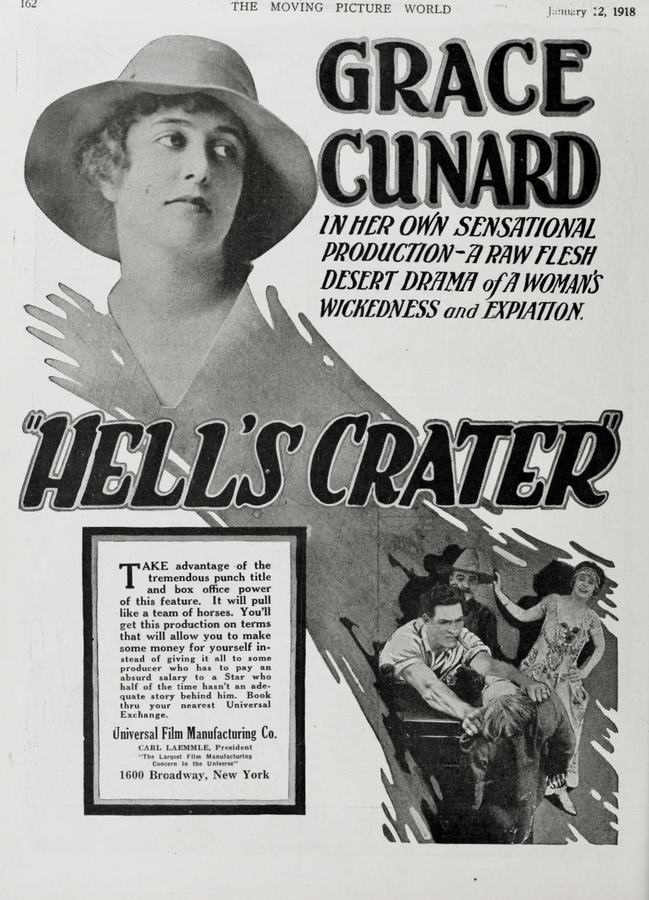
The 1918 release of Hell's Crater marked a significant moment for the stylistic boundaries pushed by W.B. Pearson during the production. In the context of United States's rich cinematic history, it invites us to question our own perceptions of cult narratives.
In Hell's Crater, W.B. Pearson pushes the boundaries of conventional narrative. The film's unique approach to its subject matter has sparked endless debates and interpretations among cinephiles and critics alike.
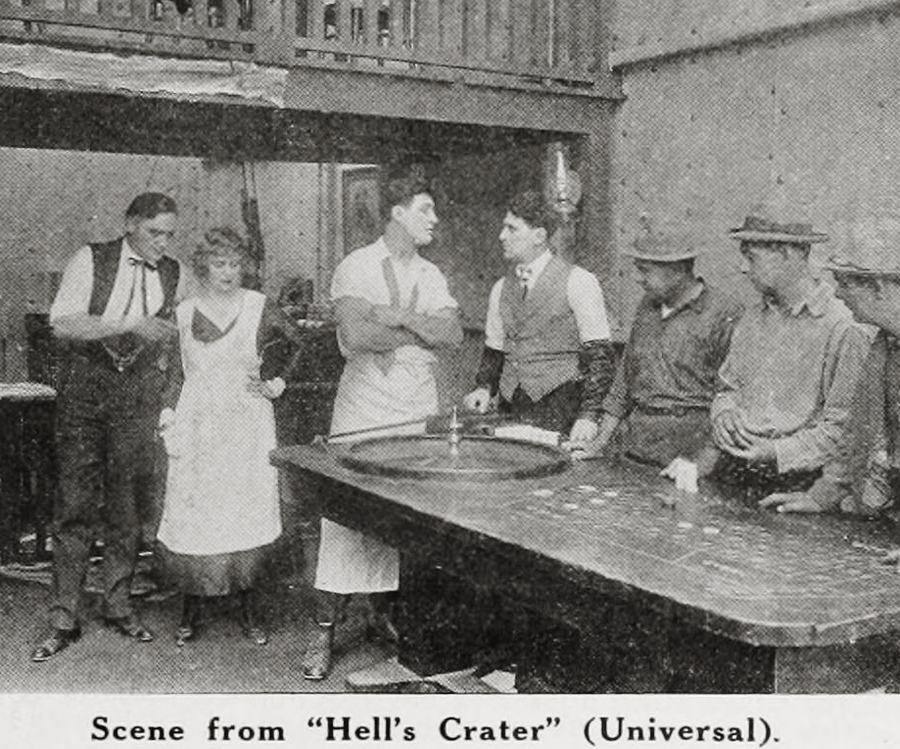
The visual language of Hell's Crater is defined by its use of shadows and framing, a hallmark of W.B. Pearson's style. By utilizing a 1918-era palette, the film creates an immersive experience that perfectly complements its cult themes.
| Cinematography | Deep Focus |
| Soundtrack | Diegetic |
| Editing | Rhythmic |
| Art Direction | Naturalist |
Visualizing the convergence of W.B. Pearson's style and the core cult narrative.
During the days of the California gold rush, Jim Shamrick toils on his claim, Hell's Crater, for two years and then decides to enjoy himself in a nearby mining camp. Bill Gordon, the owner of the local dance hall, gets Jim drunk and then, with the aid of Cherry Maurice, robs him. When the prospector realizes what has happened, he abducts Cherry and forces her to labor in his mine for a year. Though nearly broken by the hard work, Cherry comes to love Jim and eventually marries him.
Decades after its release, Hell's Crater remains a vital piece of the cinematic puzzle. Its influence can be seen in countless modern works, solidifying W.B. Pearson's status as a master of the craft in United States and beyond.