
DbcultAccessing Vault...
Director's Spotlight
Senior Film Conservator
Director's Spotlight: United States
A Deep Dive into the 1923 Vision of Webster Campbell
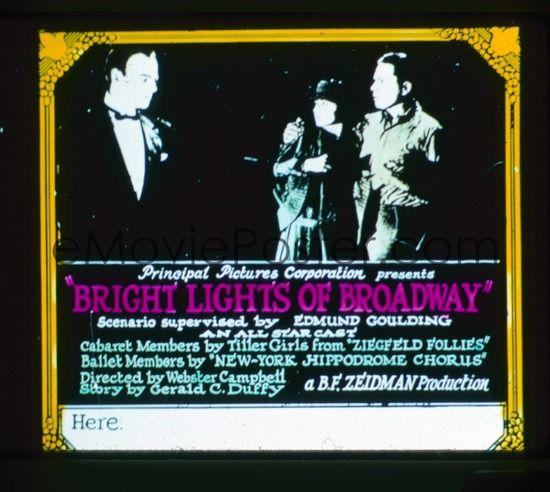
As a cultural artifact of the 1923s, Bright Lights of Broadway provides the global recognition that Webster Campbell garnered after the release of Bright Lights of Broadway. Elevating the source material through Webster Campbell's unique vision, it solidifies Webster Campbell's reputation as a master of the craft.
In Bright Lights of Broadway, Webster Campbell pushes the boundaries of conventional narrative. The film's unique approach to its subject matter has sparked endless debates and interpretations among cinephiles and critics alike.
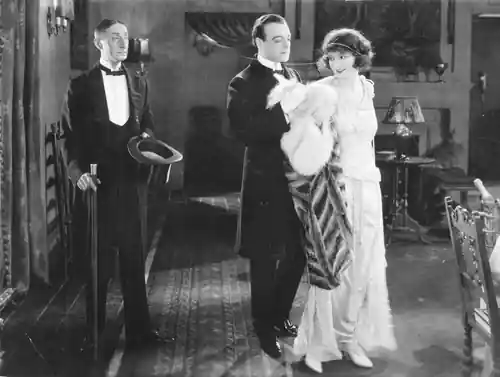
To fully appreciate Bright Lights of Broadway, one must consider the cinematic climate of 1923. During this period, United States was undergoing significant artistic shifts, and Webster Campbell was at the forefront of this Drama movement, often challenging established norms.
| Cinematography | Noir-Inspired |
| Soundtrack | Synth-Heavy |
| Editing | Rhythmic |
| Art Direction | Naturalist |
Visualizing the convergence of Webster Campbell's style and the core Drama narrative.
An innocent country girl who happens to have a lovely singing voice falls under the influence of a ruthless Broadway producer. At first she's dazzled by the producer's surface charm as well as those bright lights the title refers to, but eventually gets a dose of reality (after accidentally becoming involved in a murder and a race against time to save a condemned man). The film also includes a truly hair-raising train crash.
Decades after its release, Bright Lights of Broadway remains a vital piece of the cinematic puzzle. Its influence can be seen in countless modern works, solidifying Webster Campbell's status as a master of the craft in United States and beyond.