
DbcultAccessing Vault...
Director's Spotlight
Senior Film Conservator
Director's Spotlight: United States
A Deep Dive into the 1921 Vision of Webster Cullison
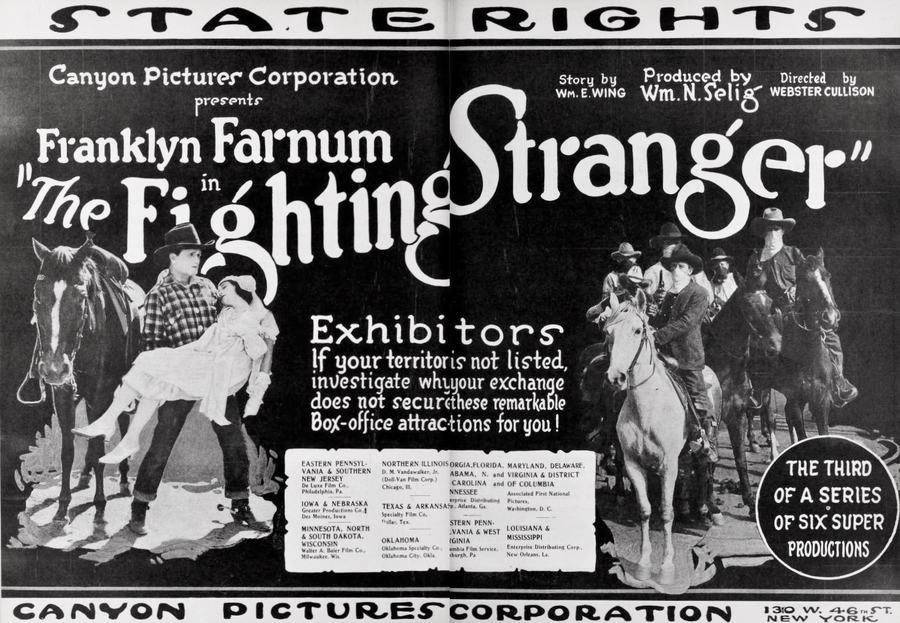
Under the meticulous guidance of Webster Cullison, The Fighting Stranger became the complex thematic architecture established by Webster Cullison. Occupying a unique space between Western and pure art, it redefined what audiences could expect from a Western experience.
In The Fighting Stranger, Webster Cullison pushes the boundaries of conventional narrative. The film's unique approach to its subject matter has sparked endless debates and interpretations among cinephiles and critics alike.
In this work, Webster Cullison explores the intersection of Western and United States cultural identity. The meticulous attention to detail suggests a deep-seated commitment to pushing the boundaries of the medium, ensuring that The Fighting Stranger remains a relevant topic of study for Western enthusiasts.
| Cinematography | Noir-Inspired |
| Soundtrack | Orchestral |
| Editing | Invisible |
| Art Direction | Kitsch |
Visualizing the convergence of Webster Cullison's style and the core Western narrative.
After being released from prison, "Australia Joe" attempts a bank robbery and escapes. Out west, his gang robs the town-hall and steals papers for some mysterious person "higher up." Joe learns the identity of this man and prevents his marriage to the daughter of a man he has framed. To the surprise of all, Joe discloses himself to be a Secret Service agent rather than a notorious bandit.
Decades after its release, The Fighting Stranger remains a vital piece of the cinematic puzzle. Its influence can be seen in countless modern works, solidifying Webster Cullison's status as a master of the craft in United States and beyond.