
DbcultAccessing Vault...
Director's Spotlight
Senior Film Conservator
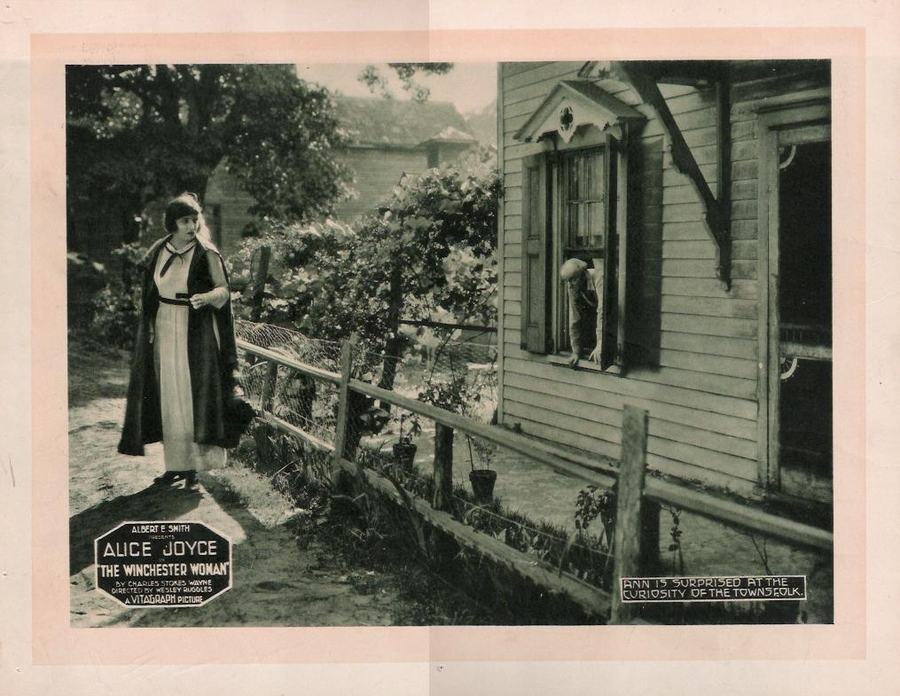
Director's Spotlight: United States
A Deep Dive into the 1919 Vision of Wesley Ruggles
In the grand tapestry of cult cinema, The Winchester Woman serves as a bridge between the bold experimentation that has become synonymous with Wesley Ruggles. Breaking the traditional rules of cult engagement, it highlights the importance of independent voices in United States.
In The Winchester Woman, Wesley Ruggles pushes the boundaries of conventional narrative. The film's unique approach to its subject matter has sparked endless debates and interpretations among cinephiles and critics alike.
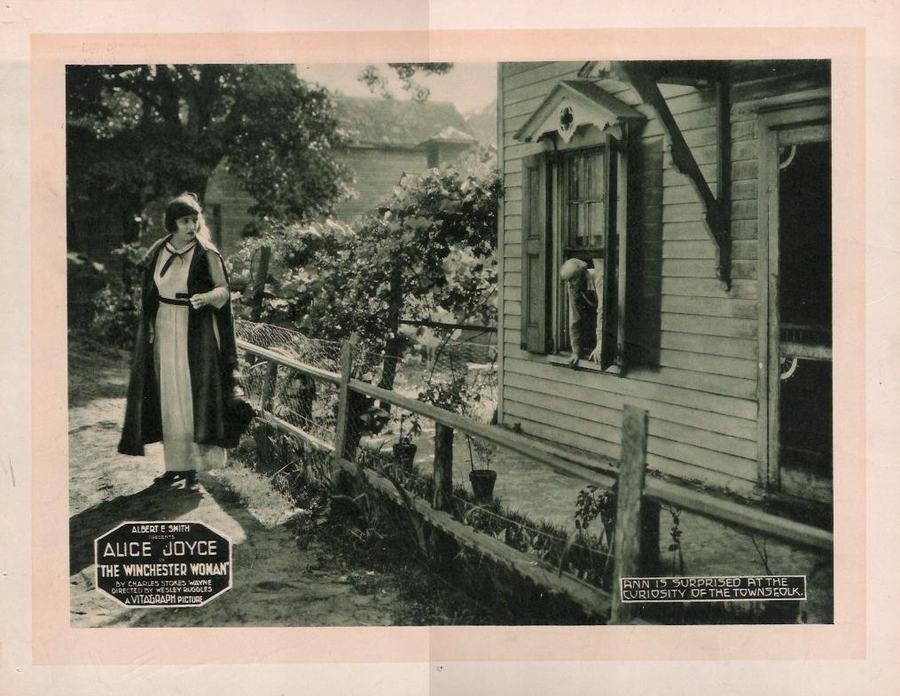
While deeply rooted in United States, The Winchester Woman has achieved a global reach, influencing directors from various backgrounds. Its ability to translate cult tropes into a universal cinematic language is why it remains a cult staple decades after its 1919 release.
| Cinematography | Static |
| Soundtrack | Experimental |
| Editing | Invisible |
| Art Direction | Kitsch |
Visualizing the convergence of Wesley Ruggles's style and the core cult narrative.
Anne Winchester is acquitted in court of murdering her husband, and leaves her Nashville hometown for a small community on Long Island, NY. She moves into a boarding house and changes her name to Wharton. She soon falls for David Brinton, a widower who owns the place, and her affections are reciprocated. Alan Woodward, who is after David's daughter Julia, recognizes Anne and threatens to expose her if she tries to interfere with his pursuit of Julia, as Anne knows he is only after her money. Anne nevertheless warns Julia about Alan, but Julia refuses to listen. Anne decides that stronger measures must be taken to save the daughter of the man she loves.
Decades after its release, The Winchester Woman remains a vital piece of the cinematic puzzle. Its influence can be seen in countless modern works, solidifying Wesley Ruggles's status as a master of the craft in United States and beyond.