
DbcultAccessing Vault...
Director's Spotlight
Senior Film Conservator
Director's Spotlight: United States
A Deep Dive into the 1933 Vision of Wilfred Jackson
When we examine the cinematic landscape of United States, The Night Before Christmas emerges as a landmark work of the enduring legacy of Wilfred Jackson's artistic contribution to the genre. Through a lens of existential fatalism and Family tropes, it captures a specific kind of cinematic magic that is rarely replicated.
In The Night Before Christmas, Wilfred Jackson pushes the boundaries of conventional narrative. The film's unique approach to its subject matter has sparked endless debates and interpretations among cinephiles and critics alike.
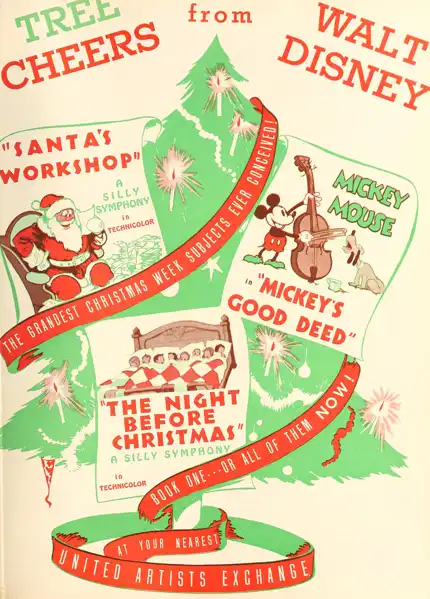
To fully appreciate The Night Before Christmas, one must consider the cinematic climate of 1933. During this period, United States was undergoing significant artistic shifts, and Wilfred Jackson was at the forefront of this Family movement, often challenging established norms.
| Cinematography | Deep Focus |
| Soundtrack | Diegetic |
| Editing | Elliptical |
| Art Direction | Expressionist |
Visualizing the convergence of Wilfred Jackson's style and the core Family narrative.
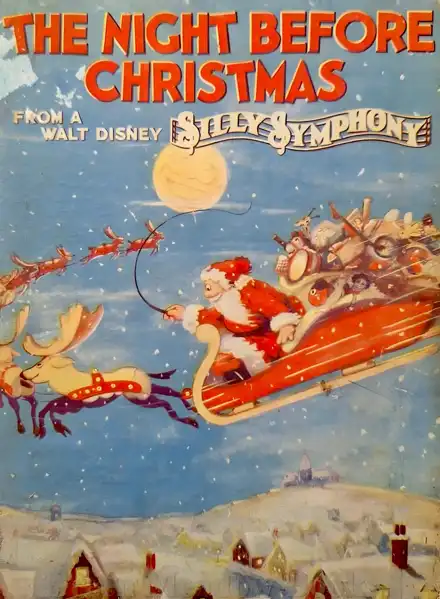
A narrator sings the opening stanzas of the classic poem while we see the house at rest. Santa lands on the roof, comes down the chimney, and opens his bag. The toys march out and decorate the tree, with the toy soldiers shooting balls from their cannon, a toy airplane stringing a garland like skywriting, and the toy firemen applying snow. A blimp delivers the star to the top. Meanwhile, Santa fills the stockings. His laughter awakens the children, who sneak out. The toys rush to their places, and Santa escapes up the chimney just in time. The closing verse is sung.
Decades after its release, The Night Before Christmas remains a vital piece of the cinematic puzzle. Its influence can be seen in countless modern works, solidifying Wilfred Jackson's status as a master of the craft in United States and beyond.