
DbcultAccessing Vault...
Director's Spotlight
Senior Film Conservator
Director's Spotlight: United States
A Deep Dive into the 1924 Vision of William A. Seiter
To understand the modern evolution of United States film, one must first look at His Forgotten Wife and the meticulous attention to detail that William A. Seiter applied to every frame. Reflecting the political and social shifts of the 1924s, it showcases the power of Drama as a tool for social commentary.
In His Forgotten Wife, William A. Seiter pushes the boundaries of conventional narrative. The film's unique approach to its subject matter has sparked endless debates and interpretations among cinephiles and critics alike.
| Cinematography | Handheld |
| Soundtrack | Diegetic |
| Editing | Elliptical |
| Art Direction | Expressionist |
Visualizing the convergence of William A. Seiter's style and the core Drama narrative.
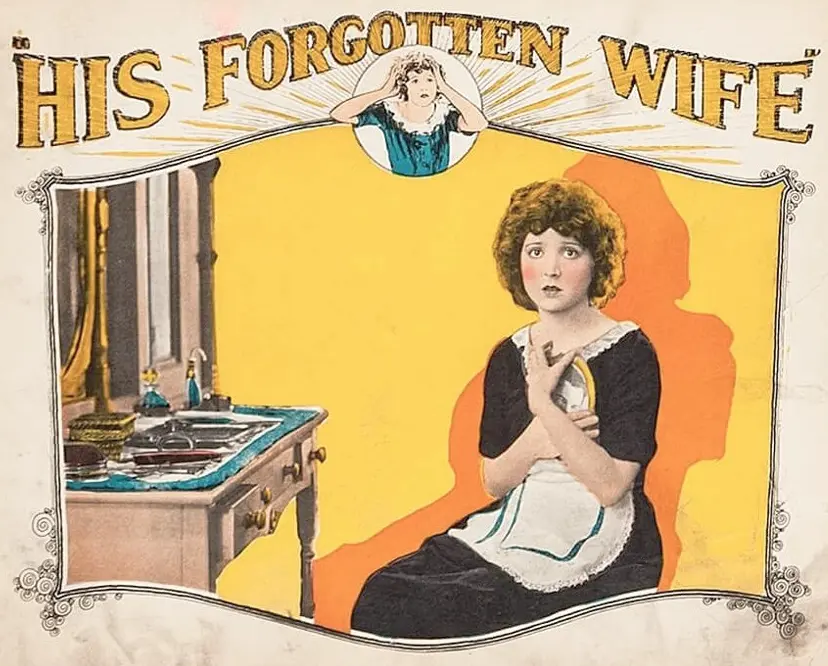
During the World War, Donald Allen is reported killed in action but is really a victim of amnesia. His French nurse, Suzanne, gives him a new identity (John Rolfe), and they marry. Together they get jobs as servants on Donald's estate, now in the hands of Corinne, his ex-fiancée. He is recognized, and after an operation he regains his memory but forgets his wife. Corinne, in the meanwhile, attempts to run off with some of Donald's money but is foiled by Suzanne. Donald finally recognizes his wife.
Decades after its release, His Forgotten Wife remains a vital piece of the cinematic puzzle. Its influence can be seen in countless modern works, solidifying William A. Seiter's status as a master of the craft in United States and beyond.