
DbcultAccessing Vault...
Director's Spotlight
Senior Film Conservator
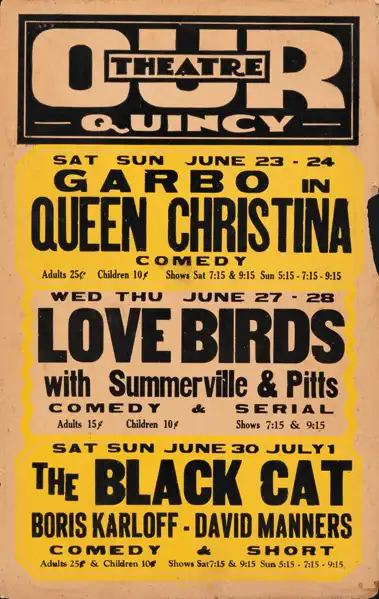
Director's Spotlight: United States
A Deep Dive into the 1934 Vision of William A. Seiter
Peeling back the layers of William A. Seiter's Love Birds exposes the technical innovation that William A. Seiter introduced to the Romance format. Driven by an uncompromising commitment to Romance excellence, it stands as the definitive 1934 statement on Romance identity.
In Love Birds, William A. Seiter pushes the boundaries of conventional narrative. The film's unique approach to its subject matter has sparked endless debates and interpretations among cinephiles and critics alike.
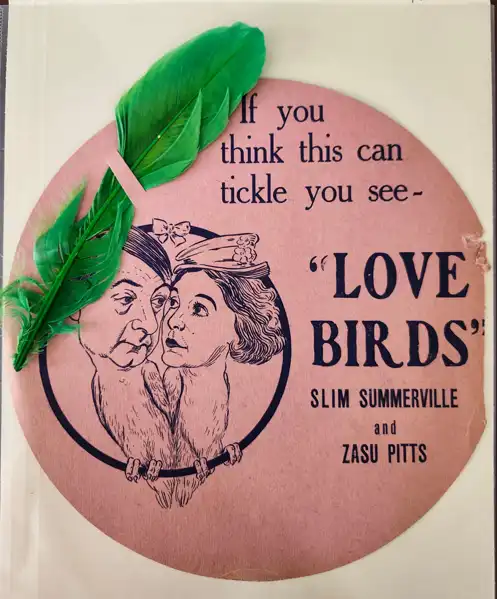
In this work, William A. Seiter explores the intersection of Romance and United States cultural identity. The meticulous attention to detail suggests a deep-seated commitment to pushing the boundaries of the medium, ensuring that Love Birds remains a relevant topic of study for Romance enthusiasts.
| Cinematography | High-Contrast |
| Soundtrack | Orchestral |
| Editing | Slow-Burn |
| Art Direction | Brutalist |
Visualizing the convergence of William A. Seiter's style and the core Romance narrative.
Misogynist Henry Whipple (Slim Summerville) and man-hating Araminta Tootle (Zasu Pitts) are sold the same property by phony real-estate agent Barbwire (Frederick Burton) who later offers a bigger buy-back price after hearing rumors of gold on the property. The rumors are false and planted by the get-even buyers.
Decades after its release, Love Birds remains a vital piece of the cinematic puzzle. Its influence can be seen in countless modern works, solidifying William A. Seiter's status as a master of the craft in United States and beyond.